
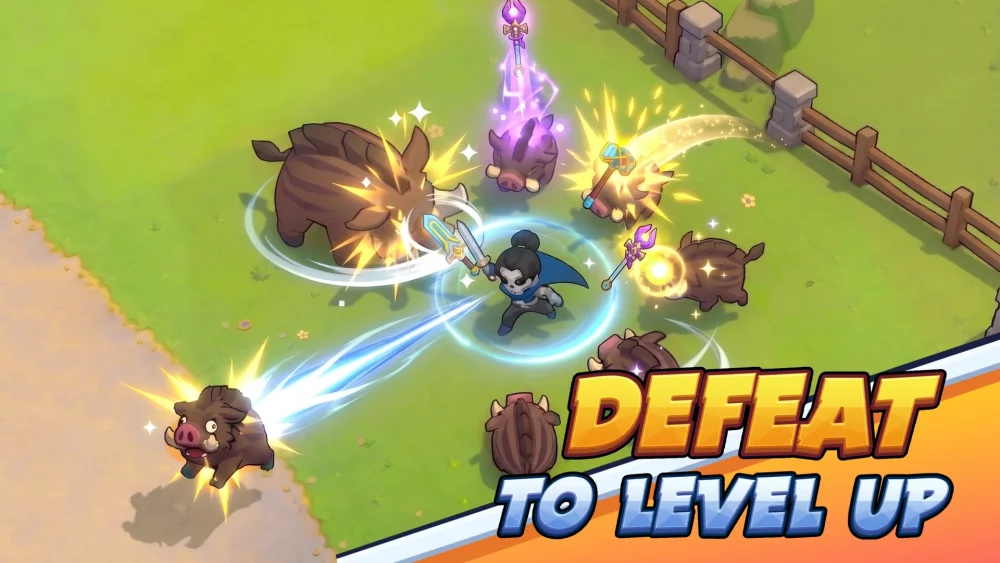
Achieving a 100% clear rate in Skull Hero requires more than just quick reflexes; it demands a strategic approach to resource management and character scaling. By prioritizing gold accumulation, securing high-tier skulls like the Ogre, and making informed decisions in shops, you can eliminate the reliance on RNG and consistently overwhelm even the toughest boss encounters. This guide breaks down the essential tactics to stabilize your economy and maximize your damage-per-second (DPS) efficiency.
The Foundation of Success: Prioritizing Gold Rooms
In Skull Hero, your success is intrinsically tied to your economy. Gold is the most versatile resource in the game, acting as the primary key to rerolling shop inventories and purchasing essential gear. If you find yourself struggling to reach late-game stages, you are likely under-investing in your financial growth early on.
- Pathing Strategy: When presented with choices, prioritize Gold Rooms over combat or minor item rooms during the first few stages. A strong financial base early allows you to purchase high-rarity items when they appear in shops rather than having to pass them up.
- The Power of Rerolling: Never fear using your gold to refresh shop offerings. If your current item loadout doesn't provide the necessary scaling for your build, a few well-spent gold coins to find the right gear is an investment that pays off in higher DPS and faster clear times.
- Risk vs. Reward: Evaluate the difficulty of a room against its gold yield. If a gold-heavy room is manageable, it is almost always the optimal choice. Building a surplus early prevents you from being forced to settle for suboptimal gear in the late game.
Why the Ogre Skull is a Meta-Defining Asset
Not all skulls are created equal. The Ogre skull is widely considered a "must-have" for players looking to guarantee a successful run. Its combination of high base stats and accessible combat utility makes it the perfect anchor for your character.
Why the Ogre Excels
- High Base Damage: The Ogre’s inherent scaling allows it to remain relevant even without a perfect set of items, providing a consistent damage floor that many other skulls lack.
- Crowd Control (CC) Capability: The Ogre’s skills often feature knockbacks or area-of-effect (AoE) damage, which are vital for controlling the chaotic mob waves that occur in the mid-game.
- Synergy Flexibility: Unlike more niche skulls that require specific item sets to function, the Ogre is a "plug-and-play" powerhouse. This versatility allows you to spend your gold on secondary defensive items or utility gear, knowing your primary damage source is already reliable.
If you encounter the Ogre in an altar or a shop, prioritize acquiring it immediately. It is one of the most forgiving and reliable choices for navigating the mysterious lands of Skull Hero.
Mastering Shop and Item Room Efficiency
Efficiency in Skull Hero is about identifying items that provide multiplicative scaling. Many players fall into the trap of picking items based solely on their rarity (Legendary vs. Common). However, a low-rarity item that perfectly complements your build is often better than a high-rarity item that offers a stat you don't need.
- Focus on Scaling: Prioritize items that enhance your primary damage type. If you are using the Ogre, look for items that boost physical attack power, attack speed, or on-hit damage effects.
- Avoid "Shiny" Traps: Do not pick up Legendary items simply because of their color. Check their tooltip; if the item provides bonuses to magic damage while you are playing a physical-focused build, it is essentially a wasted slot.
- Inventory Management: Always enter shops with a plan. If you are lacking survivability, look for items that offer life-steal or damage reduction. If your DPS is lagging, prioritize raw damage modifiers or speed buffs.
Balancing DPS Scaling and Survivability
A common mistake in Skull Hero is building purely for damage while ignoring the defensive mechanics required to survive boss patterns. If you have high DPS but no way to sustain your health, you will inevitably fall during the longer boss fights.
The Aggressive Defense Strategy
- On-Hit Utility: Seek out items that grant health recovery or defensive buffs upon landing attacks. This allows you to stay in the fray, maintaining high DPS uptime rather than being forced to retreat to avoid damage.
- Skill Rotation: Use your secondary abilities to trigger defensive effects or crowd control. Mastering the rhythm of your skull’s skills is key to keeping your damage output consistent while navigating complex attack patterns.
- Adapting to Bosses: Every boss in Skull Hero has a predictable pattern. Use the early stages to farm gold and items, but keep an eye on your defensive stats as you move toward the end of a chapter. If you notice your health dropping too fast in boss encounters, it is time to pivot your shop purchases toward sustainability until your gear catches up.
Final Thoughts for the Consistent Player
The path to mastering Skull Hero is paved with calculated decisions rather than luck. By prioritizing gold to maintain control over your build, selecting a reliable anchor like the Ogre skull, and meticulously curating your item inventory for synergy, you remove the variability that ruins many runs.
Focus on these pillars:
- Economy First: Never pass up an opportunity for gold early on.
- Reliability: Stick to high-performing skulls that provide consistent results.
- Synergy over Rarity: Always choose items that fit your build’s needs over high-tier items that lack synergy.
- Active Defense: Build items that reward aggressive play with survivability, ensuring your DPS window stays open as long as possible.
Apply these strategies, and you will find your clear rate improving significantly as you conquer the challenges of Skull Hero with ease.

Free Skull Hero Codes
Current active codes and how to redeem them.

Emily Johnson
Emily writes practical mobile strategy guides with a focus on resource planning, base progression, and the early decisions that shape a long-term account.
COMMUNITY
Player Comments
51 players commented on this guide.
I tried this today and it worked better than my old setup.
This saved me time in the early game.
This guide answered the exact question I had.
The tips are practical and easy to follow.