
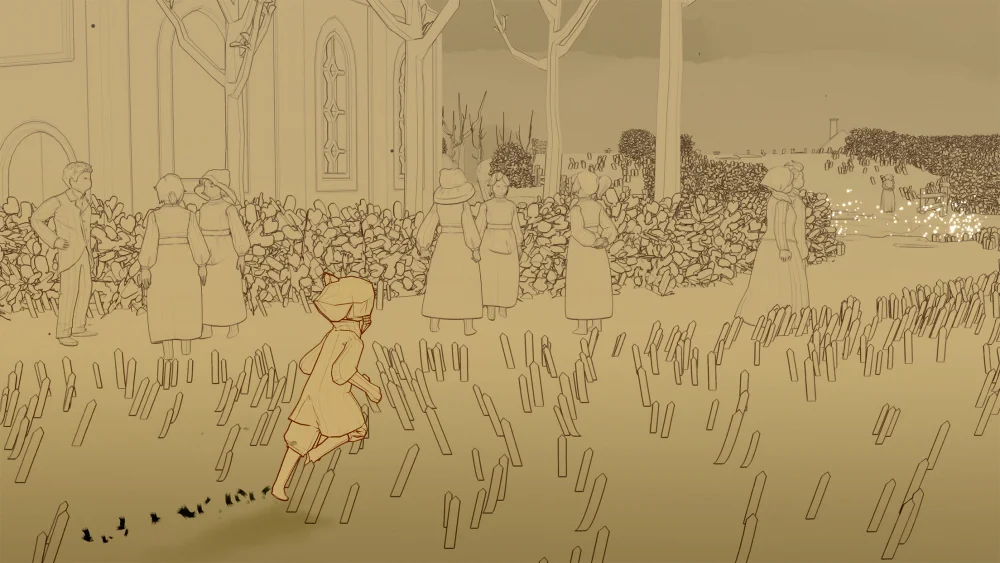
In Sky: Children of the Light, managing "Group Spirit Returns"—such as the collective appearance of spirits from the Season of the Nine-Colored Deer—is the ultimate test of a player’s resource management and strategic planning. Unlike the standard bi-weekly Traveling Spirit system, group returns condense multiple seasonal characters into a single, high-stakes window of availability. To succeed, you must move beyond casual candle farming and adopt a structured approach to currency allocation, map navigation, and priority-based unlocking.
Understanding the Mechanics of Group Returns
Group returns are distinct from the standard Traveling Spirit rotation. While a Traveling Spirit appears alone for a short period, a group return brings back an entire cast from a previous season. These events are designed to give players a chance to complete their collections, but they place a heavy burden on your candle and Ascended Candle reserves.
When a group return is live, all spirits associated with that season appear in their original seasonal realm. This means you do not need to wait for individual rotations to finish a spirit’s constellation. The primary mechanic involves "re-living" the spirit’s memory—a short, guided walk or flight through a specific area—to unlock access to their friendship tree. Once the memory is completed, the spirit moves to your home space or the seasonal area, allowing you to spend your hard-earned currency on their specific cosmetics, capes, masks, and emotes.
Strategic Prioritization: The "Must-Have" Checklist
Because group returns offer dozens of items simultaneously, you will likely encounter a "currency crunch." To avoid overspending, categorize your acquisition goals before you spend your first candle:
- High-Tier Cosmetics: Prioritize items that define the season’s unique aesthetic. In the case of the Nine-Colored Deer, focus on the iconic capes or masks that are unlikely to be replicated in future seasons.
- Emotes and Poses: If you are a social player, prioritize emotes. These are permanent additions to your emote menu and provide lasting value for player-to-player interaction.
- Utility Items: Check for items that provide unique functionality, such as musical instruments or specialized props, which can change how you interact with the game world.
- Filler Items: Only commit to spells, blessings, or minor accessories once your primary cosmetic goals are met.
Navigating Seasonal Areas Effectively
Efficiency is key when a group return is active. The spirits from the Season of the Nine-Colored Deer are located within the Crescent Oasis. Familiarize yourself with the layout of this specific map before the event begins.
- Scouting Phase: Spend the first day of the return identifying the exact location of each spirit. If you are playing with friends, split up to find them faster.
- Memory Sequences: Some spirit memories are longer or more difficult than others. Complete the most challenging ones first while your focus is high. If you fail a memory sequence, you must restart from the beginning, which wastes precious time.
- Utilize Shortcuts: Many seasonal areas have hidden paths or shortcuts. Learn these routes to minimize travel time between spirits, especially if you are performing multiple runs to collect currency.
Balancing Your Currency for Future Content
The greatest mistake players make during a group return is "spending until empty." Sky: Children of the Light is a living game; new events and surprise Traveling Spirits are constantly on the horizon.
- The Buffer Rule: Always keep a "safety net" of at least 100–150 regular candles. This ensures that if a rare item appears in a future event, you won't be forced to grind at an unsustainable rate.
- Ascended Candle Management: Many high-tier seasonal items require Ascended Candles (Red Candles) to unlock the final nodes of the friendship tree. Ensure you have visited the Eye of Eden before or during the event to keep your stash topped up.
- Daily Farming Optimization: During a group return, shift your daily routine to include "high-yield" candle runs. Prioritize the Valley of Triumph, the Forest, and any realm currently featuring "Bonus Light" (the glowing candles that indicate double rewards).
Avoiding Common Pitfalls
Even veteran players can fall into traps during these events. Avoid the following mistakes to ensure your collection efforts are successful:
- Waiting Until the Last Minute: Do not assume you will have time to finish all spirits on the final day. Servers can become unstable, and real-life commitments often interfere. Aim to finish your primary goals at least 48 hours before the event ends.
- Ignoring the Friendship Tree: Check the requirements for each node. Sometimes, you may need a friend to help you unlock a specific node (the "Friendship Tree" requirement). Coordinate with friends in advance if you need help unlocking collaborative nodes.
- Forgetting the "Re-living" Requirement: You cannot buy items from a spirit until you have successfully re-lived their memory in the game world. Do not skip this step, as it is the most common reason players fail to secure items.
Final Decision Making: The "Now or Never" Mentality
It is vital to remember that group returns are limited-time offers. Once the Nine-Colored Deer spirits retreat, their items will likely not return for a long time. If you truly love an item, prioritize it over "completing" a spirit's tree entirely. It is better to have the one or two items you really love from three different spirits than to have 100% completion of one spirit's tree consisting of items you will rarely wear.
By maintaining a consistent farming schedule, identifying your aesthetic priorities early, and respecting the time-limited nature of these events, you will navigate the group returns in Sky: Children of the Light with ease. Stay focused, manage your candles wisely, and enjoy the unique cosmetics that make your Sky Kid stand out from the crowd.
Free Sky: Children of the Light Codes
Current active codes and how to redeem them.

Emily Johnson
Emily writes practical mobile strategy guides with a focus on resource planning, base progression, and the early decisions that shape a long-term account.
COMMUNITY
Player Comments
68 players commented on this guide.
This helped me understand strategy much better.
Good guide for Sky: Children of the Light players. The strategy part was useful.
The explanation is clear, especially for beginners.
Can you add more details about strategy in a future update?