
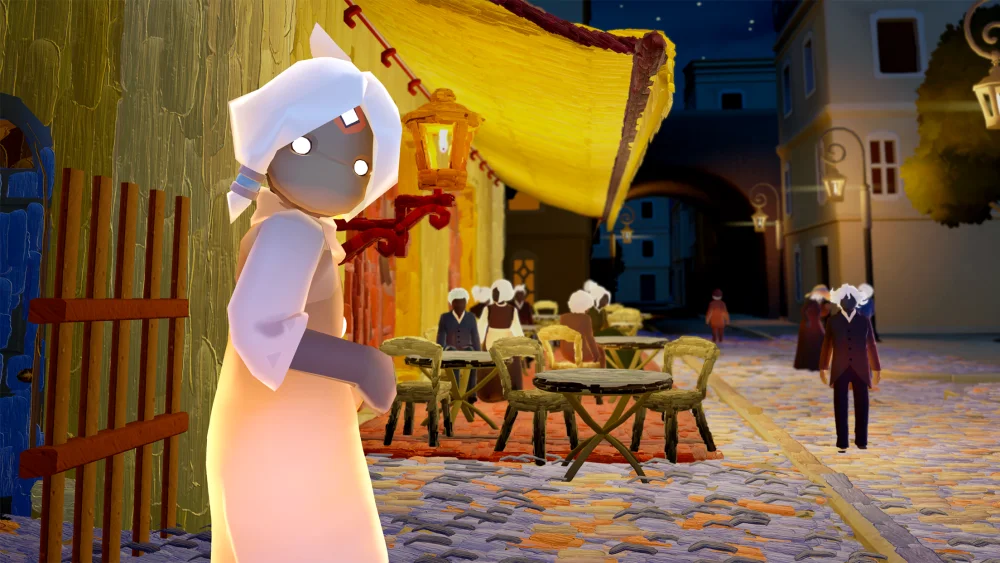
Dyeing seasonal capes in Sky: Children of the Light allows players to overhaul their cosmetic wardrobe without waiting for specific Traveling Spirits. While standard realm mantles apply a uniform tint across their entire exterior, certain seasonal capes feature isolated dye zones, textured fabrics, and un-dyeable secondary accents. Applying complementary or dark pigments against these static borders completely flips their visual profile, turning bright festival cloaks into gothic, royal, or minimalist attire.
10 Seasonal Capes for Dramatic Dye Customization
To maximize visual impact, prioritize seasonal capes with distinct silhouettes, layered trims, and permanent secondary accents. The ten capes below experience the most pronounced aesthetic shifts when dyed:
| Seasonal Cape | Original Season | Baseline Visual Style | Transformed Aesthetic After Dyeing |
|---|---|---|---|
| Peeking Postman Cape | Season of Dreams | Red festival mantle with white wing tips | Monochromatic raven or icy teal courier cloak |
| Juggler Cape | Season of Rhythm | Dual-tailed purple and blue carnival wrap | Regal velvet evening coat or phantom vestment |
| Princess Cape | Season of Enchantment | Gold-trimmed desert veil with silk tones | Ethereal celestial shroud or gothic sorcerer cape |
| Rallying Thrillseeker Cape | Season of Sanctuary | Neon orange and green athletic cut | Muted streetwear or tactical night-ops mantle |
| Light Whisperer Cape | Season of Flight | Sky-blue layered feather plume pattern | Midnight corvid plumage or fiery avian wings |
| Sparkler Parent Cape | Season of Belonging | Rich holiday red mantle edged in trim | Obsidian royal cloak highlighting gold hems |
| Prophet of Fire Cape | Season of Prophecy | Jagged volcanic flame gradient silhouette | Ghostly frost-fire wrap or batwing shroud |
| Frantic Stagehand Cape | Season of Performance | Burgundy theatrical coat with ruffles | Formal monochrome tuxedo drape or dark cape |
| Bumbling Boatswain Cape | Season of Abyss | Weathered maritime canvas texture | Heavy leather trench or mercenary duster |
| Melancholy Mope Cape | Season of Passage | Moth-fur segmented wings with ragged edges | Luminescent fae moth shroud or cryptid cloak |
Why Seasonal Capes React Differently to Dyes
Standard constellation capes utilize single-channel color saturation, which shifts the hue evenly across the mantle's surface. In contrast, many seasonal cosmetics isolate body panels from hems, tassels, and fur accents.
Fabric texture also governs how light disperses across the cape's geometry:
- Glossy and satiny weaves reflect ambient light, making deep jewel tones or metallic hues appear more lustrous.
- Heavy canvas and moth fur create deeper shadow crevices, preventing pastel dyes from appearing flat.
- Permanent accents—such as white wing tips or gold embroidery—remain untouched by dye, creating immediate two-tone visual depth.
Palette Strategies for Fixed Accents
Applying a dye that closely matches a cape's permanent trim results in a washed-out, muddy appearance. To maintain clean visual boundaries, coordinate your dye selection around the cape's fixed elements:
- The Obsidian Contrast: Apply charcoal, jet black, or dark navy to cloth panels that border white fur, silver tassels, or pale hems. This frames the trim with sharp definition.
- The Ethereal Inversion: Apply bone white, pale cream, or light lavender to heavy, ragged silhouettes (such as the Melancholy Mope Cape) to turn rugged gear into ghostly spirit garments.
- The Regal Accent: Apply rich emerald, crimson, or sapphire against immutable gold embroidery (such as on the Princess Cape or Sparkler Parent Cape) for formal, aristocratic styling.
Realm Lighting, Linings, and Wedge Visibility
Before committing dye resources, evaluate how lighting conditions and flight mechanics affect the final look:
- Atmospheric Filters: The golden sunlight in Daylight Prairie bleaches light pastels, while the green atmospheric fog in Golden Wasteland desaturates warm tones and deepens dark pigments.
- Interior Linings: Capes that retain their original underside fabric reveal an intentional two-tone look during wing flaps and deep dives. Select an exterior dye that complements the interior lining.
- Wing Star Wedges: Dyeing does not recolor the light-emitting star wedges on your back. Applying deep dyes behind pale star emblems maximizes wedge readability during flight, whereas light pastels can blend into the stars and reduce visibility.
How to Preview and Confirm Cape Dyes
Follow these steps in sequence to evaluate your cosmetic setup and avoid wasting dye materials:
- Equip your full outfit: Put on your target pants, mask, and hair accessories before adjusting cape color to evaluate overall aesthetic balance.
- Inspect static boundaries: Rotate your character 360 degrees in the preview interface to verify how the pigment interacts with fixed trims, the interior lining, and back star wedges.
- Check saturation levels: Toggle between deep pigments and pastel variants to confirm that the fabric weave retains its depth without flattening.
- Step into neutral light: Step outside into standard daylight within Aviary Village to evaluate true color saturation away from wardrobe shadow filters.
- Confirm the dye: Finalize the color application once you confirm that the trim contrast and wedge visibility match your preference.
Free Sky: Children of the Light Codes
Current active codes and how to redeem them.

Sarah Williams
Sarah specializes in RPG and collection games, explaining team building, character growth, and beginner-friendly ways to avoid expensive early mistakes.
COMMUNITY
Player Comments
81 players commented on this guide.
I wish I had read this before upgrading the wrong thing.
Good guide for Sky: Children of the Light players. The strategy part was useful.
The tips are practical and easy to follow.
This saved me time in the early game.