
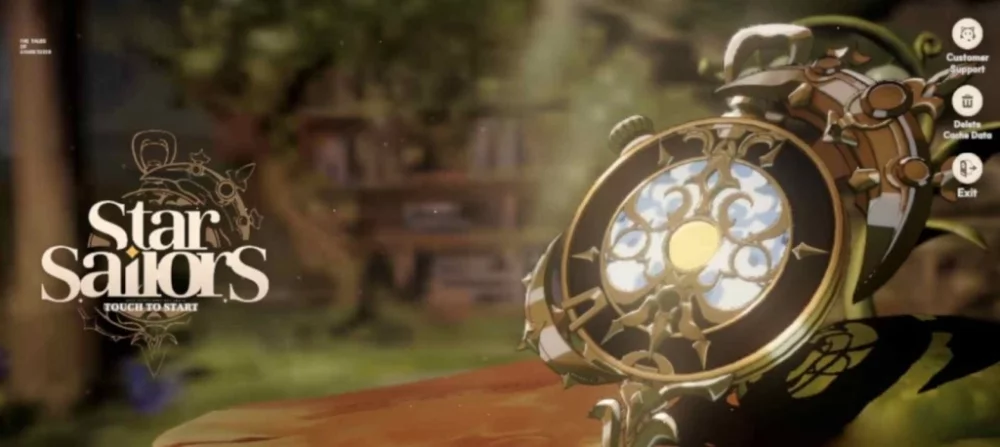
In Star Sailors, navigating vast, featureless regions of the ocean requires more than just following an automated waypoint. Drawing inspiration from historical wayfinding techniques, players can improve their map traversal efficiency by learning to read the environment. When modern navigation tools are unavailable or unreliable, shifting your focus to natural indicators will help you stay on course.
Celestial Navigation Fundamentals
Before the invention of advanced positioning tools, sailors relied heavily on the sky. In Star Sailors, you can adopt similar habits to maintain your heading during long-distance travel:
- Fixed Stellar Points: Pay attention to the persistent celestial bodies in the game’s skybox. Identifying a "North Star" equivalent allows you to maintain a consistent heading even when the map interface is minimized or obscured.
- Sun Trajectory: Use the rising and setting positions of the sun to gauge east and west. If your objective is located toward a specific cardinal direction, observing the sun’s angle relative to your ship’s bow can prevent you from drifting off course.
Environmental Cues for Directional Awareness
When the clouds block the stars or the sun is at its zenith, you must look to the water and the life within it. These environmental markers are critical for experienced explorers:
| Indicator Type | Observation Method | Navigation Benefit |
|---|---|---|
| Swell Patterns | Observe the rhythmic motion of the waves | Consistent swells often indicate deep-water currents. |
| Bird Activity | Watch for flock concentrations | Indicates land proximity or high-density fishing zones. |
| Debris Drift | Monitor floating organic matter | Shows the direction of surface drift and current velocity. |
| Reflections | Look for color changes on the horizon | Can indicate the presence of shallow reefs or landmasses. |
Practical Tips for Open Ocean Travel
To master navigation in Star Sailors without relying solely on the UI, implement these strategies:
- Maintain a Consistent Heading: Select a static object on the horizon or a fixed star and keep it at a constant angle relative to your ship's mast. This is more reliable than "eyeballing" the direction.
- Document Your Landmarks: If you are traversing a new zone, note the transition of the water color. Significant shifts often signal a change in biome or the approach of a hidden objective.
- Use Drift Correction: If you notice your ship consistently veering left or right, compensate by angling your bow slightly into the current. This "crab-walking" technique is essential for hitting specific coordinates in the open ocean.
- Observe Wildlife Behavior: Birds and schools of fish often follow predictable paths. If you lose your way, following these biological signs can often lead you back to shallower waters or points of interest.
By integrating these observational skills into your travel routine, you reduce your reliance on digital waypoints and gain a deeper understanding of the world’s geography. Mastering these natural cues allows for more immersive exploration and helps you recover quickly if you find yourself lost in the vast expanses of Star Sailors.

Free Star Sailors Codes
Current active codes and how to redeem them.

Emily Johnson
Emily writes practical mobile strategy guides with a focus on resource planning, base progression, and the early decisions that shape a long-term account.
COMMUNITY
Player Comments
112 players commented on this guide.
Can you add more details about strategy in a future update?
This helped me understand strategy much better.
This saved me time in the early game.
The explanation is clear, especially for beginners.