
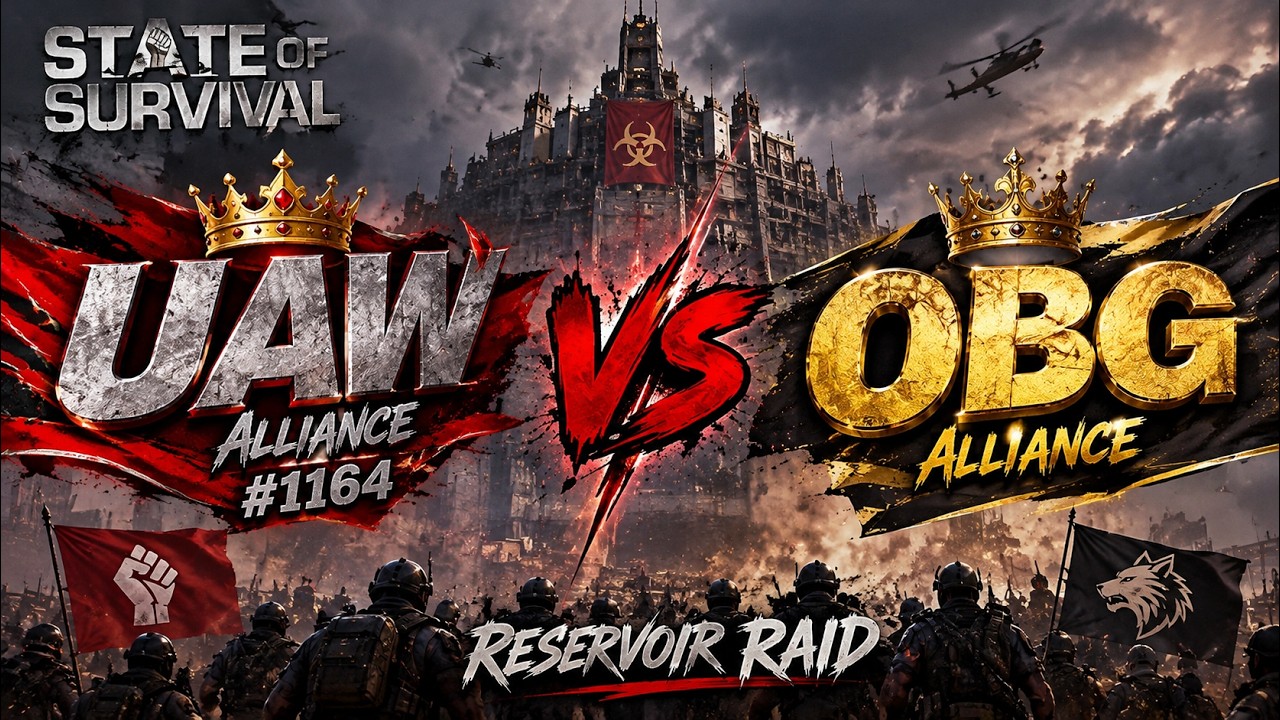
To win competitive Doomsday alliance matches in State of Survival, alliances must secure immediate teleport positions around the central objectives, time staggered dual rallies against fortified garrisons, and maintain high-defense Infantry reinforcement lines. Matches are decided by steady structure occupation rather than chasing open-field skirmishes.
Initial Teleporting and Perimeter Positioning
Secure the area surrounding the central contaminated buildings during the opening countdown. Immediate perimeter control minimizes march times and prevents the opposing alliance from claiming uncontested early occupation points.
Organize settlement placement into two distinct operational rings:
- Inner combat ring: Reserve front-row spots adjacent to central objectives exclusively for primary rally leaders and designated garrison anchors. Placing lower-tier settlements here gives the opposing team vulnerable targets for rapid point farming.
- Secondary support ring: Position supporting alliance members directly behind the combat leads. This ring must leave straight, open march vectors toward contested buildings so reinforcement marches travel the shortest possible distance.
Cracking Fortified Buildings With Staggered Rallies
Top alliances fill contested structures with maxed-out Infantry defense formations that absorb standard single rallies with minimal losses. To break an entrenched defense, launch dual rallies timed to hit the target two to three seconds apart.
Execute the assault using the following operational sequence:
- Assign rally leads: Appoint two distinct rally callers. The first rally leader should run hero pairings focused on debuffing enemy frontline Infantry. The second leader should specialize in Rider and Hunter lethality.
- Calculate march intervals: Coordinate departure times between both rally staging locations so the second rally lands two to three seconds behind the initial strike.
- Strip the frontline: Allow the first rally to absorb active defensive skills and deplete the defending Infantry buffer.
- Accelerate impacts: Apply march speed-ups on the final approach for both waves. Landing the impacts in rapid succession prevents the enemy from reinforcing the structure between hits.
This sequence clears the garrison before outside defensive marches can land, forcing the structure open for immediate capture.
Garrison Captain Assignment and Reinforcement Control
Defensive durability depends on who enters the building first. The initial Chief to occupy an objective establishes the garrison captain slot, setting the active defense stats, hero skills, and total troop capacity for all subsequent defenders. Alliance leaders must ensure only the highest-defense Chief initiates the garrison. If a lower-tier player enters first, the structure inherits weaker base stats.
When an objective comes under enemy multi-rally pressure, choose the reinforcement method that matches incoming attack intervals:
| Reinforcement Method | Execution Method | Primary Tactical Benefit | Major Operational Risk |
|---|---|---|---|
| Mass Dump | Fill garrison to maximum capacity immediately upon capture | Maximizes troop count against immediate single rushes | Exposes the entire troop pool to rapid sequential hits |
| Continuous Trickle Feed | Send staggered small marches timed between enemy waves | Replaces fallen troops without overcapping capacity | Requires constant march monitoring and tight timing |
Reinforcement marches must prioritize high-tier Infantry. If the frontline Infantry line collapses, incoming attacks bypass the frontline and eliminate backline Hunter and Rider units, causing a rapid garrison wipeout.
Countering Side Tower Feints
Opponents often dispatch fast strike teams to secondary side towers to draw defenders away from central high-value buildings. Committing main combat forces to these peripheral skirmishes leaves central structures vulnerable to counter-rallies.
Counter side-lane pressure with designated roles:
- Core defense unit: Keep primary rally callers and heavy garrison leads stationed firmly at central objectives.
- Light reaction squad: Assign secondary rally callers and mid-tier members to intercept side-lane runners using swift Rider marches.
This division recaptures outlying nodes while preserving full combat strength at primary scoring structures.
Consolidating Points and Managing Late-Match Stamina
Conserve march stamina for late-match objectives rather than burning it on uncoordinated open-field battles or zero-point base hits. In the final phase of the match, calculate your alliance's points-per-minute generation against the remaining clock:
- If your projected score guarantees victory, stop launching offensive rallies against contested structures.
- Recall active field marches and consolidate high-tier Infantry across your highest-value towers.
- Activate defensive settlement shields where applicable to deny the enemy late turnaround points.

Free State of Survival Codes
Current active codes and how to redeem them.

Emily Johnson
Emily writes practical mobile strategy guides with a focus on resource planning, base progression, and the early decisions that shape a long-term account.
COMMUNITY
Player Comments
98 players commented on this guide.
The tips are practical and easy to follow.
The explanation is clear, especially for beginners.
I wish I had read this before upgrading the wrong thing.
Can you add more details about strategy in a future update?