
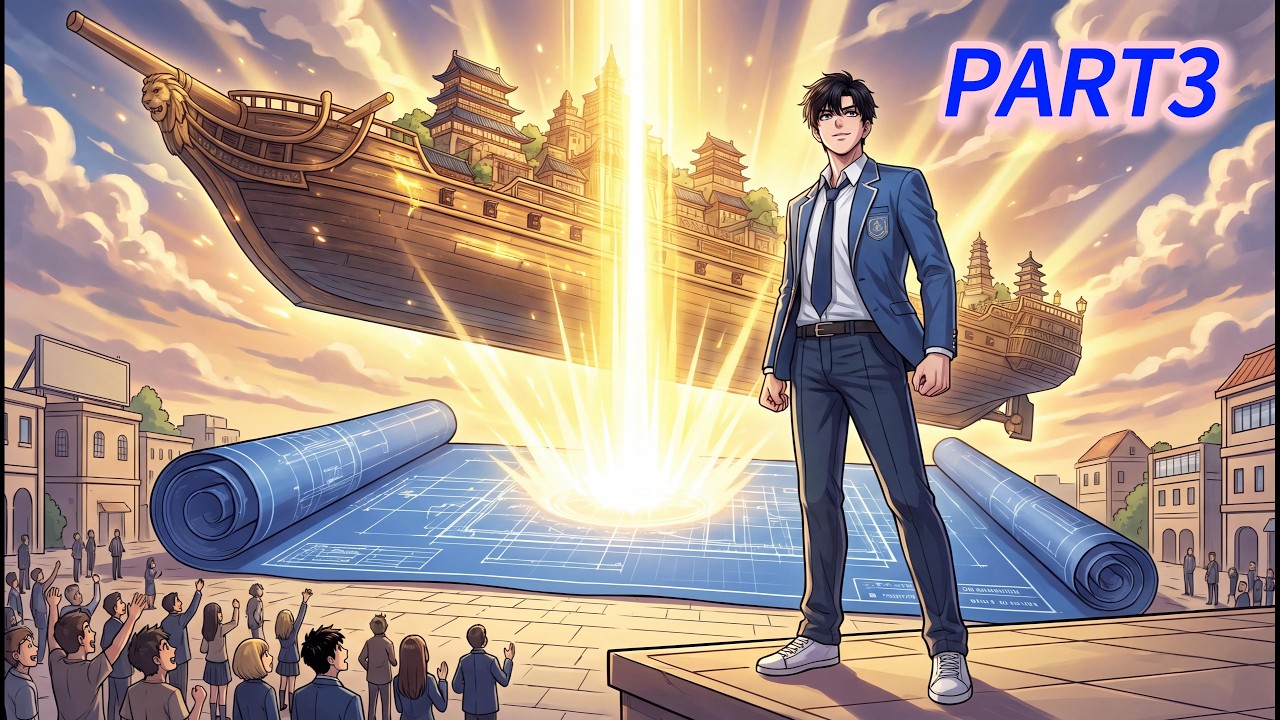
In Stone Island : Simulator, the jump from a standard wooden raft to an endgame floating city is the most significant progression milestone a player can achieve. Many beginners fail to reach this stage because they discard "useless" early-game blueprints and neglect the complex engineering requirements of ship talents. To reach god-tier status, you must treat your ship not just as a vehicle, but as a modular construction site. By mastering blueprint retention and aggressively pursuing SSS Ship Talents, you can unlock the structural capacity required to build a persistent, impenetrable mobile stronghold.
Why Blueprint Retention is the Foundation of Success
The most common mistake in Stone Island : Simulator is viewing blueprints as disposable inventory once an item is crafted. In reality, blueprints act as "Research Experience" for your engineering tree. Every blueprint you collect contributes to your overall mastery progression, which is a hidden requirement for unlocking the higher-tier research categories that eventually lead to SSS-rank components.
The Storage Strategy
To optimize your progress, do not sell or delete your low-tier blueprints. Instead:
- Designate a Storage Chest: Early on, dedicate one chest exclusively to "Blueprint Archive."
- Avoid Inventory Bloat: If you are short on space, prioritize hoarding blueprints over raw materials that can be easily farmed.
- Mastery Thresholds: Many players hit a wall in the mid-game because they lack the "Engineering Mastery" stat. This stat is increased by holding or "consuming" specific tiers of blueprints, meaning your early-game collection directly dictates your late-game capability.
Understanding the SSS Ship Talent System
The SSS Ship Talent is the "key" that unlocks the game’s true mechanical potential. These are not passive buffs; they are structural modifiers that fundamentally change how the game engine calculates your ship's physics and weight capacity. Without an SSS talent, your vessel is strictly limited by a weight-to-buoyancy ratio. Once you unlock an SSS-tier talent, the game effectively removes these caps, allowing you to build upward and outward.
How to Force an SSS Talent Roll
Talent acquisition is handled through the ship’s navigation console. While it involves an element of RNG, you can manipulate the outcomes:
- Talent Reroll Events: Save your currency for specific events that increase the weight of "Structural Integrity" rolls.
- Stat Prerequisites: Before attempting a roll, ensure your Engineering Mastery (gained from blueprints) is at the level required for SSS tiers. Rerolling without meeting these hidden requirements is a waste of currency.
- The "Structural Capacity" Branch: Always prioritize talent nodes that increase "Base Expansion" or "Hull Hardening." These are the prerequisites for the Floating City transformation.
Transitioning to a Floating City: The Endgame Build
Once you have secured an SSS Ship Talent, you are no longer limited to a small deck. You can begin the transition to a Floating City. This is a massive logistical undertaking that shifts the game from survival to base-management.
Key Features of a Floating City:
- Modular Expansion: Instead of building singular parts, use modular platforms that snap together. This allows you to expand your deck infinitely, provided your SSS talent supports the weight.
- Persistent Logistics: A floating city allows you to integrate Stonefolk workers directly into the hull. They can gather resources from the ocean floor while you are in transit, meaning your base generates profit while moving.
- Defensive Layering: You can now stack multiple layers of armor. A floating city can be designed with "buffer zones"—outer layers of cheap structures that soak up cannon fire, protecting your valuable crafting stations and storage units in the center.
Managing the Trade-offs of Massive Structures
While a floating city makes you nearly invincible against standard pirate raids, it introduces new challenges that can end your run if you aren't prepared.
The Maneuverability Tax
A floating city is slow. You lose the ability to dodge incoming fire or quickly retreat from aggressive high-level encounters. When you commit to a city-sized build, you are committing to a "tank" playstyle. You must ensure your defensive turrets are capable of 360-degree coverage, as your turning radius will be wide and cumbersome.
Fuel Consumption and Logistics
The weight of a floating city exponentially increases the fuel required for propulsion. You must establish a "Fuel Chain" before finishing the transition.
- The Golden Rule: Never expand your city beyond your current fuel production capacity.
- Backup Engines: Always maintain a secondary, smaller engine block. If your main engine is damaged in a raid, your massive city becomes a sitting duck.
- Scout Vessels: If you intend to explore hostile, narrow channels, keep a smaller, faster scout ship docked to your city. Use the scout for exploration and the city as your secure, mobile base of operations.
Strategic Decision-Making: When to Build
Do not rush the transition. The jump from a standard ship to a floating city is a "point of no return" regarding your mobility. If you are still in a stage of the game where you need to frequently navigate tight archipelagos or escape superior enemy fleets, stay with a highly upgraded, mobile ship.
The floating city is best deployed once you have cleared the initial threats and are ready to establish permanent control over the map's resource-rich zones. By maintaining your blueprint library, strategically rolling for SSS talents, and carefully balancing your fuel logistics, you will transform Stone Island : Simulator from a basic survival experience into a powerful reign of naval dominance.

Free Stone Island : Simulator Codes
Current active codes and how to redeem them.

Michael Smith
Michael covers live-service games, events, reward systems, and efficient daily routines, turning frequent updates into clear actions for players.
COMMUNITY
Player Comments
78 players commented on this guide.
Nice guide. I am checking the other Stone Island : Simulator articles next.
The tips are practical and easy to follow.
This saved me time in the early game.
Can you add more details about early game in a future update?