
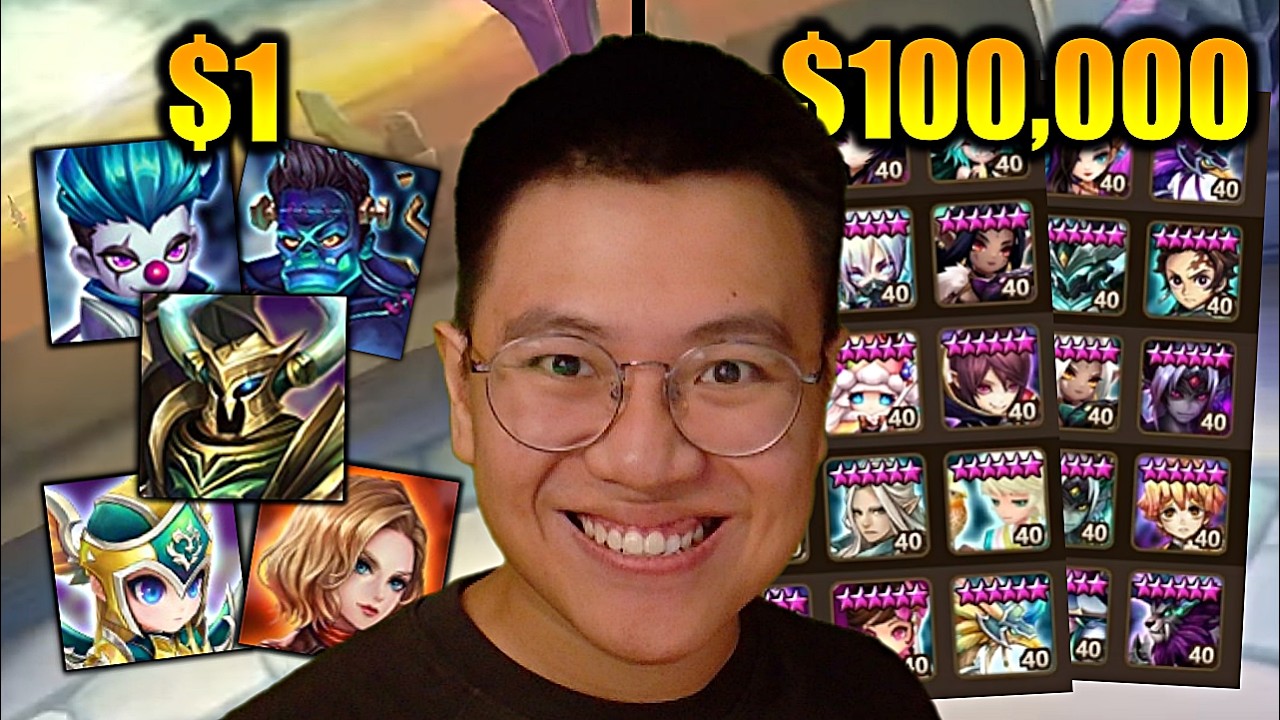
In Summoners War, the World Arena (RTA) is often perceived as a playground for "whales"—players who have invested thousands into acquiring rare Nat 5 units and near-perfect rune sets. However, the game’s core mechanics reward tactical decision-making over raw wallet size. If you are a free-to-play (F2P) or low-spending player, you can consistently dismantle high-value rosters by treating RTA as a game of resource management, turn-order optimization, and calculated risk.
The Strategy of Turn-Order Efficiency
The most common mistake when facing a high-spending player is trying to out-damage them. A player with maxed-out artifacts and legendary runes will almost always win a "stat-check" war. Instead, you must prioritize turn-order efficiency.
In high-level play, the game is won by the player who controls the "Action Bar" (ATB). Your goal is to ensure your units move in a specific, uninterrupted sequence. By focusing your best Swift or Violent runes on key utility monsters—such as strippers or ATB boosters—you can neutralize the opponent’s threats before they ever get a turn.
- Speed Tuning: Ensure your team is tuned so your booster moves first, followed immediately by your stripper, then your CC or damage dealer.
- The "Cut" Opportunity: Even if your opponent has faster monsters, look for opportunities to "cut" in. If you have units with high base speed or speed-buff passives, you can interrupt their rotation, forcing them to waste high-cooldown abilities on a target that has already moved.
Drafting to Neutralize Rarity
Drafting is the most important phase of Summoners War RTA. While a whale may have a deep "box" of S-tier units, they are limited by the same pick-and-ban rules as you.
Identifying and Exploiting Win Conditions
Every opponent has a "win condition"—the specific interaction they need to happen to win. This might be a specific turn-one cleave or a control chain.
- Denial Drafting: If your opponent picks a core engine (e.g., a specific speed lead or a primary cleanser), use your early picks to snatch up their secondary support units.
- The Bait Strategy: You can force a whale to pick a unit they think is strong, only to counter it with a low-rarity, high-synergy unit. For example, using a well-runed, readily available 3-star monster with a specific passive can often shut down a flashy 5-star unit.
- The Ban Phase: Your ban should rarely be about the opponent’s highest-damage dealer. Instead, ban the unit that enables their team to function. If you can remove their primary immunity provider, their high-damage units become vulnerable to your CC.
Exploiting Cooldowns and Action Economy
Every powerful skill in Summoners War has a cooldown. Whale rosters often rely on "perfect" setups where skills cycle back quickly. However, by tracking these, you create windows of opportunity.
- Forcing Defensive Moves: Bait the opponent into using their team-wide immunity or cleanse early by applying pressure with non-essential skills. Once those major cooldowns are spent, you have a 2-3 turn window where their team is "naked" and susceptible to your heavy CC.
- Targeting the Engine: Do not waste damage on tanky bruisers if you can identify the "engine" unit that provides their team's speed or sustain. If you eliminate the unit providing the attack bar boost, the entire enemy team’s speed advantage effectively disappears.
Building Synergy: The "Sum Greater Than Parts" Philosophy
A team of five disparate, high-rarity units is often weaker than a cohesive team of three-to-four-star units built around a singular identity. Synergy is the ultimate equalizer in Summoners War.
Creating Core Synergies
- Speed-Sync Teams: Pair units that provide Speed Buffs with units that gain damage based on speed. This creates a feedback loop where your team gets faster and stronger simultaneously.
- Turn-Cycle Teams: Focus on units that decrease their own cooldowns or cycle turns faster. Even if your individual hits are weaker than a whale’s, you can often take three turns for every one turn the opponent takes.
- Element Control: Use elemental advantages to your benefit. Even a "weaker" monster can be an absolute wall if it forces an AI-controlled or player-controlled opponent to hit into a damage-mitigation passive.
Common Mistakes to Avoid
Even the best players lose when they get emotional or lose track of the match state. Avoid these pitfalls:
- Tunnel Vision: Don't focus on killing a unit just because it's a popular "meta" pick. Focus on the unit that is currently disrupting your flow.
- Ignoring Turn Order: Don't draft a team that relies on a specific sequence if your runes aren't tuned to support it. If your stripper moves after your damage dealer, you are effectively playing a 4v5.
- Panic Banning: Never ban based on the name of the monster. Always ban based on what the opponent needs to survive the next two turns.
Practical Steps to Improve Your Roster
- Rune Optimization: Stop trying to upgrade every unit. Focus 100% of your best runes on a core group of 10-12 units that you use in RTA.
- Skill-Up Priority: Prioritize skill-ups on support units that have shorter cooldowns. A unit that can strip/CC every two turns is infinitely more valuable than a damage dealer that hits hard but has long wait times.
- Review Replays: When you lose to a whale, watch the replay. Identify the exact turn where they gained the momentum. Was it a resist? A bad draft? A missed speed tune? Understanding the "why" of your loss is the only way to ensure you don't repeat it.
By shifting your focus from the rarity of your monsters to the precision of your tactics, you can turn the tide in Summoners War. Remember: The whale has the units, but you have the opportunity to out-think, out-draft, and out-maneuver them in every match.

Free Summoners War Codes
Current active codes and how to redeem them.

James Brown
James focuses on Android gaming on PC, emulator setup, controls, performance tuning, and practical troubleshooting for longer play sessions.
COMMUNITY
Player Comments
102 players commented on this guide.
This helped me understand strategy much better.
The tips are practical and easy to follow.
This saved me time in the early game.
The explanation is clear, especially for beginners.