
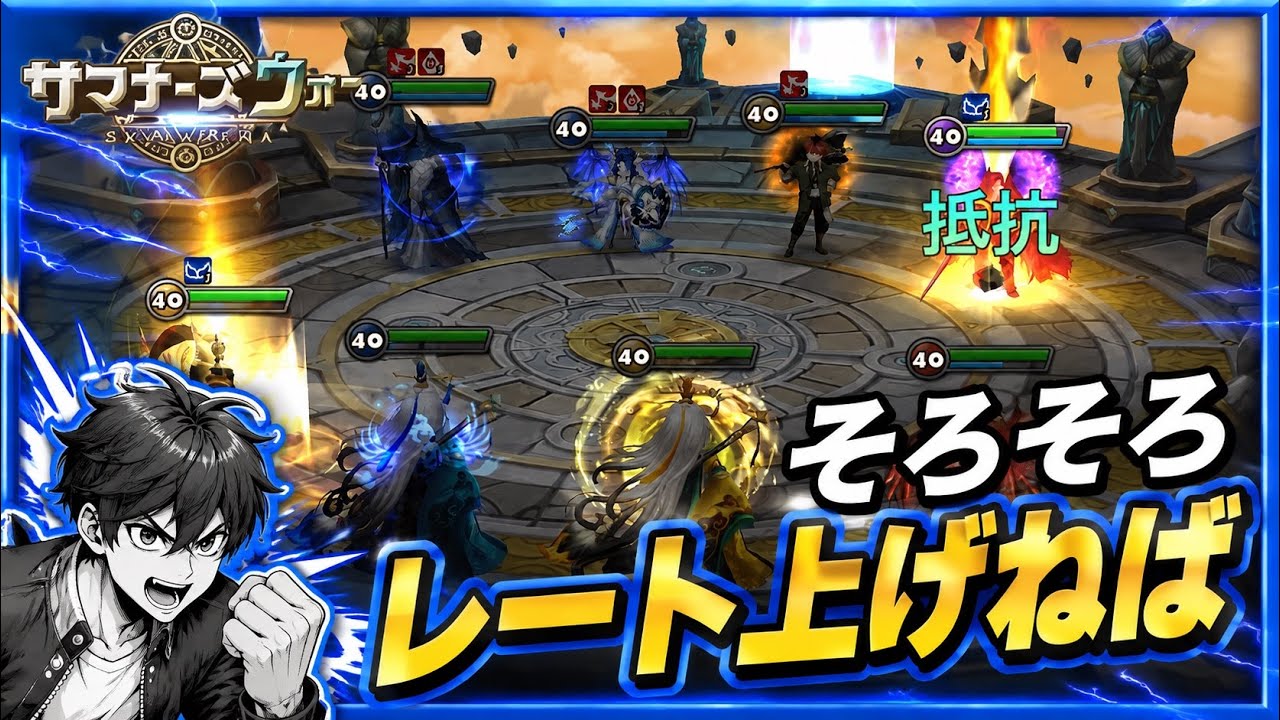
As the current season of World Arena (RTA) in Summoners War draws to a close, the difficulty curve spikes sharply. The final push for higher ranks—whether you are aiming for Conqueror, Guardian, or simply a seasonal skin—requires more than just having powerful monsters; it demands a disciplined approach to the pick-and-ban phase, an intimate knowledge of the current meta, and the mental fortitude to avoid "tilt" during high-stakes sessions.
To climb effectively in Summoners War season 38, you must shift your focus from playing "the best units" to playing "the right units" for the specific state of the board.
Mastering the Draft: The Foundation of RTA Success
The draft phase is the most critical component of Summoners War RTA. If your drafting is suboptimal, even the best-runed team will struggle. The key to a successful draft is synergy over raw power.
- Identify Your Core Identity: Are you playing a Turn-1 Speed Cleave, a Turn-2 Bruiser/Counter, or a Control comp? Do not deviate from your primary win condition unless the opponent’s draft leaves you no choice.
- The "Flex" Slot: Always reserve your 4th and 5th picks to counter the opponent's strategy. If your opponent locks in heavy Fire-element threats, do not hesitate to pivot to high-value Water units, even if they aren't your "main" monsters.
- Drafting for Win Conditions: Before you lock your final monster, identify how you plan to win. Is it by out-speeding? By sustaining through damage? By resetting cooldowns? If your draft lacks a clear path to victory, you have already lost.
Recognizing Meta Threats and Counter-Picking
Summoners War meta shifts are dictated by units that provide excessive value per turn. In season 38, you must have a plan for the "Big Three" archetypes:
1. The Speed Cleave (Turn-1)
- The Threat: Units that boost Attack Bar (ATB) and follow up with massive AOE damage.
- The Strategy: If you cannot out-speed, you must out-tank. Draft monsters with passive damage reduction or "nemesis" rune sets that allow them to cut in after taking an initial hit. Immunity buffers are mandatory here.
2. The Control Comp (CC)
- The Threat: Units that stun, freeze, or sleep your team, preventing you from ever taking a turn.
- The Strategy: Bring passive cleansers or units that provide continuous immunity (like Riley or Woosa). If you are caught in a CC chain, your goal is to survive long enough for your high-resistance units to break the lock.
3. The Bruiser/Sustain Comp
- The Threat: Extremely durable units that heal, revive, or gain power the longer the match goes on.
- The Strategy: You need "damage scaling." If the match goes to the late-game "frenzy" phase, bring units that ignore defense or deal damage based on enemy Max HP. Do not let the match drag on if you don't have a late-game win condition.
The Mental Game: Managing Season-End Pressure
The "Season-End Tilt" is a real phenomenon in Summoners War. As the days count down, players play more aggressively, take more risks, and get frustrated more easily. To maximize your point gain:
- The "Three-Loss Rule": If you lose three consecutive matches, stop. Your decision-making will be compromised by frustration, leading to "autopiloting," where you make the same drafting mistakes repeatedly.
- Analyze, Don't Blame: Review your replay after a loss. Did you lose because the opponent got a lucky violent proc, or because you drafted into a hard counter? Almost every loss in Summoners War provides a lesson on how to adjust your pick-and-ban order.
- Time Your Sessions: Play when you are fresh. Late-night sessions when you are tired often result in missed bans or forgetting to check turn order, which can cost you hundreds of points in a single sitting.
Strategic Decisions: When to Pivot Your Roster
One of the most common mistakes in Summoners War is refusing to change a composition that clearly isn't working. If you find that your current roster is getting hard-countered by a specific unit currently dominating the meta, you have two choices:
- The Direct Counter: Build a specific unit to punish the meta threat. If a specific debuffer is destroying your team, build a high-resistance cleanser or a unit that punishes debuffs (like Juno or Racuni).
- The Shift: Change your team archetype. If your Bruiser team is being shredded by high-damage cleaves, it may be time to pivot to a team that includes more defensive passives or speed-contesting units.
Practical Tips for Final-Week Climbing
- Rune Efficiency: Before the final week, double-check your top 5-8 units. Ensure they are on their best possible rune sets. Sometimes, moving a single set of Swift or Violent runes from a PvE monster to an RTA monster is the difference between a win and a loss.
- Understand the "Frenzy" Mechanic: In long RTA matches, the frenzy effect increases damage and decreases healing. Know exactly when this kicks in. Many players lose because they play as if they have infinite healing in the late game.
- Focus on Consistency: You do not need a 90% win rate to climb. A 55-60% win rate is sufficient to move up the ranks over time. Don't chase the "perfect" win; chase the "consistent" win.
Conclusion
Climbing in Summoners War during the final stages of the season is a test of patience, adaptability, and tactical awareness. By focusing on your drafting discipline, respecting the core meta threats, and keeping your cool when the RNG doesn't go your way, you can secure the rank you deserve. Remember that every match is a data point—use that data to refine your strategy, and you will find yourself climbing consistently as the season reaches its climax. Stay focused, trust your draft, and ensure your runes are optimized for the fight ahead.

Free Summoners War Codes
Current active codes and how to redeem them.

James Brown
James focuses on Android gaming on PC, emulator setup, controls, performance tuning, and practical troubleshooting for longer play sessions.
COMMUNITY
Player Comments
53 players commented on this guide.
Can you add more details about strategy in a future update?
This guide answered the exact question I had.
The explanation is clear, especially for beginners.
Nice guide. I am checking the other Summoners War articles next.