
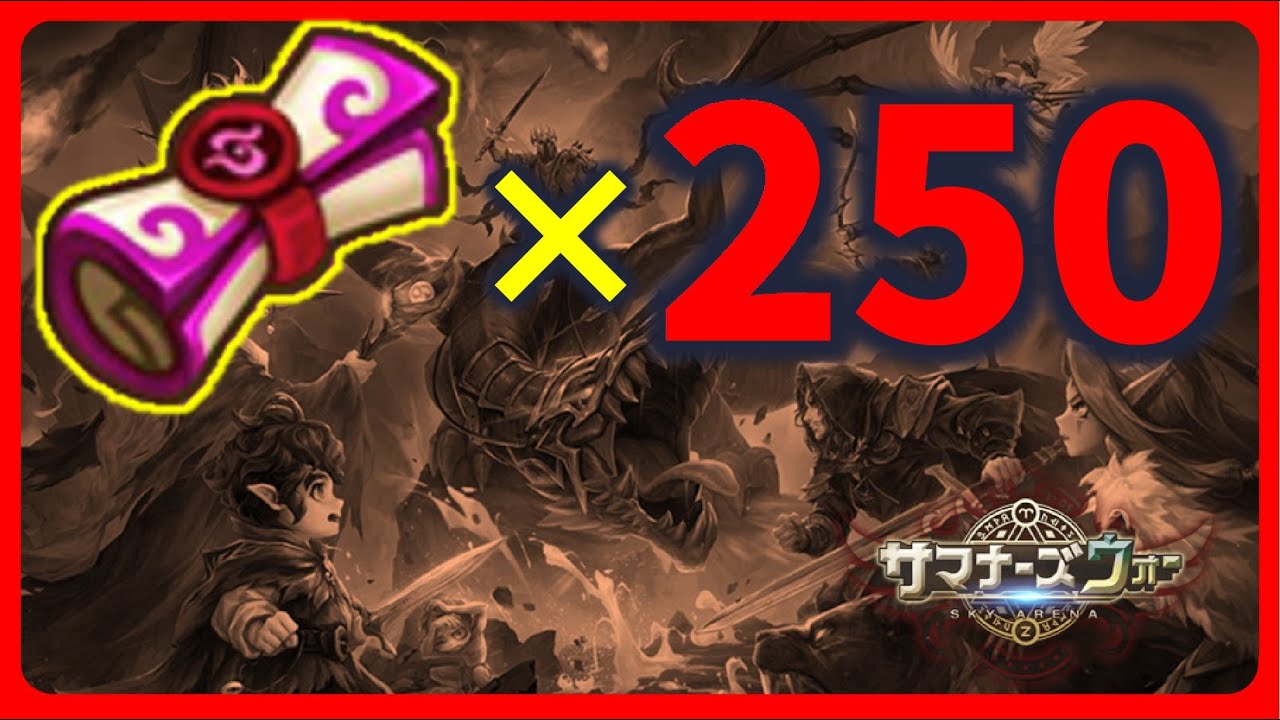
The Summoners War x Lord of the Rings collaboration introduces a unique set of limited-edition monsters that can potentially reshape your roster. However, the excitement of these high-profile crossovers often leads players to exhaust their resources prematurely. To succeed, you must move beyond the "gambler’s mindset" and treat your summoning sessions as a calculated investment. Whether you are chasing a specific collab unit or looking to bolster your account for Arena success, this guide provides the framework for maximizing efficiency during this event.
Understanding the Reality of L&D Summoning Volatility
Mass summoning in Summoners War is a high-risk endeavor, particularly when targeting Light and Dark (L&D) units. Despite the allure of the Lord of the Rings collaboration, the base probability of pulling a natural 5-star unit remains statistically low, even when performing hundreds of scrolls.
It is vital to view L&D scrolls as a long-term resource rather than a guaranteed path to power. If you are planning a "mass summon" session, establish a strict limit on your scroll usage before you start. Many players fall into the trap of "chasing" a unit, burning through months of saved crystals and mystical scrolls in a single sitting. Instead, treat any 5-star pull as a lucky bonus rather than an expected outcome. By managing your expectations, you prevent the frustration of resource exhaustion and keep your account stable for future events or essential rune farming.
Strategic Resource Allocation During Crossovers
Collaboration events are unique because they provide units you cannot obtain at any other time. This creates a psychological pressure to spend everything you have. Before you commit, perform a "synergy audit" of your account:
- Define Your Goal: Are you pulling for meta-relevance (World Arena/Siege) or for collection purposes?
- Check Your "Safety Net": Never spend your last remaining crystal reserves. Always maintain enough currency to cover daily energy refills, which are far more important for long-term progression than a low-probability pull.
- Evaluate the Meta: Research the Lord of the Rings collab units thoroughly. Some units are designed for niche roles, while others may be game-changers. Use the "Test Battle" feature to see how they perform against your current best teams before committing Devilmons or high-tier runes.
If your account is in the early or mid-game, prioritize consistent rune farming over chasing a rare unit that you may not have the runes to support. A well-runed, farmable team will always outperform a poorly-runed "lucky" pull.
Managing Your Inventory and "Fodder" Expectations
A common mistake during mass summons is failing to plan for the influx of 3-star and 4-star monsters. Large summoning sessions will yield a significant amount of "fodder," which is actually a blessing in disguise.
- Skill-Up Potential: Use the 4-star units you pull to skill up your existing monsters. Even if the collab unit itself isn't a top-tier performer, the 4-star "pity" pulls are often essential for building depth in Siege Battle or Tartarus’ Labyrinth.
- Storage Management: Clear your monster storage and inventory before you start summoning. Being forced to stop your session to manage inventory is a momentum killer and leads to impulsive decision-making.
- Selective Feeding: Identify which 3-star units are essential for fusion or special challenges. Don't be too quick to feed everything into your new collab units; keep a copy of every unique monster to ensure you don't regret it when a future balance patch makes them "meta."
Post-Summon Evaluation: Are Your Pulls Useful?
Once the summoning dust settles, avoid the urge to immediately power up every unit you pulled. Instead, conduct a clinical evaluation of each monster’s kit to determine their role in your progression.
The Evaluation Checklist:
- Unique Debuffs/Buffs: Does this unit bring a mechanic to the table that your current roster lacks? (e.g., specific immunity, strip, or turn-manipulation).
- Rune Dependency: Does this monster require "God-tier" runes to function? If you are still farming GB12 or DB12, avoid sinking resources into units that require endgame-level speed or accuracy sets.
- Synergy: Does this unit create a new team composition, or is it just a slightly better version of a monster you already use?
Focusing on utility over rarity is the hallmark of a veteran Summoners War player. If a unit doesn't help you clear faster, climb higher in the Arena, or improve your Siege defense, it should remain in storage until you have the resources to support it.
Common Mistakes to Avoid
- Panic Summoning: Do not summon out of frustration after a string of bad luck. The rates will not improve because you are "due" for a win.
- Ignoring Devilmons: Never use Devilmons on a collaboration unit until you have verified its impact on your core team. Devilmons are the most scarce resource in the game; spend them only on units that will see immediate, frequent use.
- Overlooking 4-Star Gems: Collaboration sets often include 4-star units that are secretly overpowered. Pay close attention to community discussions and expert tier lists immediately following the update; don't assume a unit is bad just because it isn't a 5-star.
By approaching the Lord of the Rings collaboration with this disciplined mindset, you ensure that your Summoners War account continues to grow in power regardless of what you pull. Focus on the long game, prioritize your runes, and use your summoning resources as a tool for progress rather than a gamble.
Free Summoners War Codes
Current active codes and how to redeem them.

Emily Johnson
Emily writes practical mobile strategy guides with a focus on resource planning, base progression, and the early decisions that shape a long-term account.
COMMUNITY
Player Comments
37 players commented on this guide.
Good guide for Summoners War players. The strategy part was useful.
I tried this today and it worked better than my old setup.
This saved me time in the early game.
I wish I had read this before upgrading the wrong thing.