
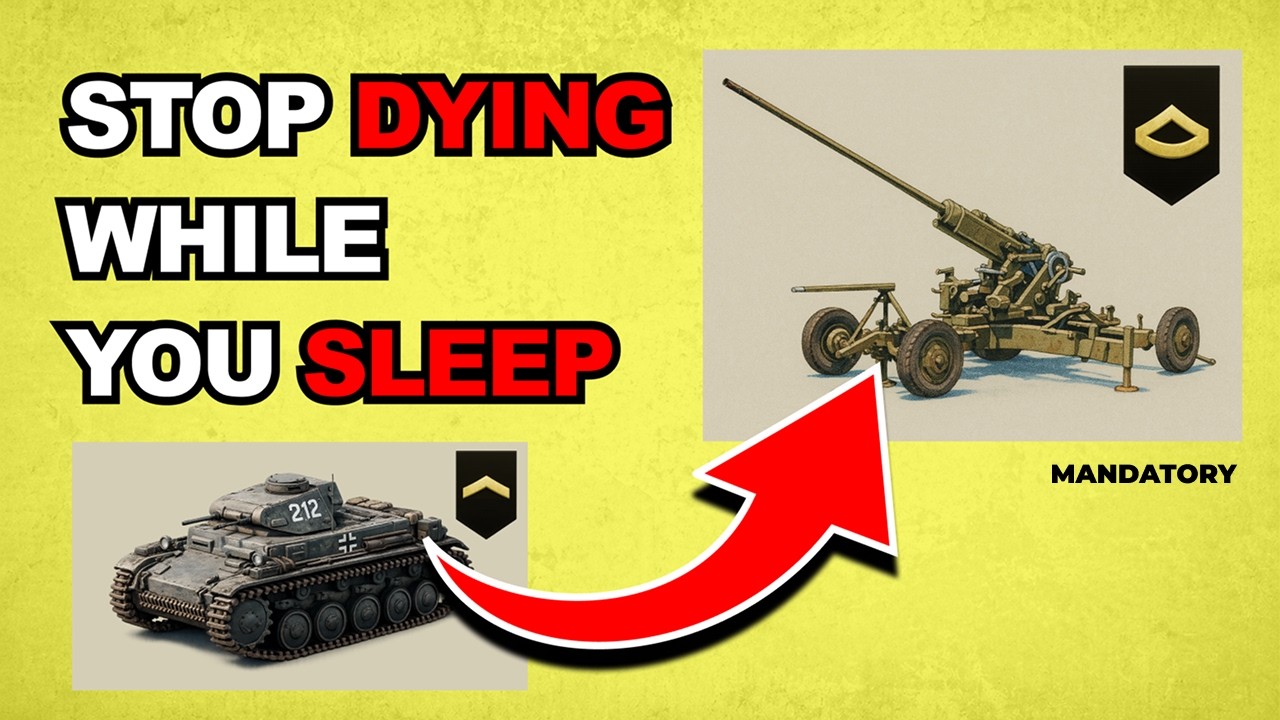
To survive and expand in Supremacy: Call of War 1942, players must eliminate common operational mistakes that drain manpower, waste resources, and stall expansion. Early campaign failures usually stem from five core errors: exceeding stack damage limits, charging fortified positions without artillery, developing rural provinces over core cities, fighting on multiple fronts at once, and mass-producing basic infantry at the expense of combined-arms tech.
Correcting these operational habits preserves military strength and stabilizes your borders against aggressive neighbors.
---
1. Overstacking Beyond the 10-Unit Combat Cap
Grouping an entire military force into a single massive army reduces combat efficiency. Combat damage calculations evaluate only the ten highest-damage units in a given stack during any combat round. Any units beyond those ten add to the stack's collective health pool, but they contribute no offensive firepower.
Clustering twenty or thirty units into one province also exposes your army to devastating area-of-effect damage from enemy artillery and tactical bombers. Furthermore, it ties up valuable regiments that could otherwise guard territory or push separate axes of advance.
To manage unit stacks effectively:
- Cap assault groups at ten units: Tailor each stack to target specific armor classes and combat roles.
- Form reserve echelons: Station secondary reinforcement stacks one province behind the front line to rotate in after the lead formation absorbs damage.
- Keep recon separate: Split light reconnaissance units like Armored Cars into independent patrols to seize empty land rather than burying them inside main combat stacks.
---
2. Neglecting Artillery and Forcing Direct Melee Assaults
Ordering infantry or light armor straight into hostile urban centers causes unsustainable casualties. Fortified defenders receive significant defensive bonuses, enabling a smaller defending garrison to wipe out larger assault forces in direct melee combat.
Ranged units provide standoff capability that bypasses this disadvantage. Standard Artillery and Rocket Artillery fire on entrenched garrisons from distance without triggering retaliatory melee strikes. Bombarding entrenched forces forces opponents to either evacuate their fortifications or absorb sustained damage.
| Unit Type | Primary Tactical Role | Common Beginner Mistake |
|---|---|---|
| Infantry | Fortification defense and capturing ground | Blindly charging fortified cities |
| Artillery | Standoff bombardment | Operating without an escort near the front line |
| Armored Car | Rapid reconnaissance and anti-infantry screening | Grouping inside heavy melee stacks |
| Anti-Air | Air defense screening | Trailing too far behind frontline formations |
Always soften fortified positions with dedicated artillery strikes before sending ground troops into a city center.
---
3. Upgrading Rural Land Instead of Core City Industry
Spending construction materials on rural infrastructure early in a campaign undermines long-term production. Core starting cities produce the vast majority of a nation's resources, rare materials, and military recruitment pool. Non-core provinces taken from other nations suffer severe production penalties and yield only a small fraction of their output until late-game development occurs.
Spreading barracks, fortifications, or local infrastructure across rural provinces consumes steel, oil, and money required for core city development. Upgrading Industrial Complexes in core cities provides compounding returns that fund technological upgrades and mechanized production.
Prioritize building queues in this order:
- Construct and upgrade Industrial Complexes in core cities producing Metal, Oil, and Rare Materials.
- Build Recruiting Centers in core cities to maintain manpower reserves.
- Restrict rural construction to essential operational structures, such as forward airstrips for patrol routes or naval bases at vital naval choke points.
---
4. Fighting Multi-Front Wars Without Diplomatic Buffer Zones
Declaring war on multiple neighbors simultaneously spreads armies thin and leaves homelands unprotected. Expanding aggressively across every border leaves garrisons depleted, exposing territory to sudden opportunistic attacks by human opponents.
Diplomacy functions as a vital defensive tool:
- Secure safe borders: Negotiate non-aggression pacts, share map intelligence when appropriate, or form Coalitions to secure quiet flanks. A defended border backed by a reliable agreement frees divisions to concentrate on one offensive target.
- Isolate expansion targets: Attack isolated players or AI nations one at a time.
- Hold vision: Position scouts or patrol aircraft along neutral borders to detect unexpected troop movements before launching an assault deep into enemy territory.
---
5. Overproducing Basic Infantry Instead of Tech Upgrades
Flooding the map with baseline infantry units consumes food and manpower while leaving your army technologically obsolete. While infantry are required for holding defensive terrain and securing captured provinces, they lack the speed to exploit breakthroughs and the armor to repel mechanized pushes.
Spending early resources exclusively on foot soldiers leaves an army vulnerable once opponents deploy motorized divisions, medium armor, and strike aircraft. Modern battlefield engagements require combined-arms formations to counter specialized unit classes.
Manage early research to avoid stagnation:
- Balance research slots to unlock upgraded artillery tiers early.
- Research mobile armored recon to screen against hostile unarmored infantry.
- Field interceptors to deny enemy reconnaissance flights and protect frontline stacks from tactical bombers.

Free Supremacy: Call of War 1942 Codes
Current active codes and how to redeem them.

Emily Johnson
Emily writes practical mobile strategy guides with a focus on resource planning, base progression, and the early decisions that shape a long-term account.
COMMUNITY
Player Comments
53 players commented on this guide.
This saved me time in the early game.
I tried this today and it worked better than my old setup.
The tips are practical and easy to follow.
Good guide for Supremacy: Call of War 1942 players. The early game part was useful.