
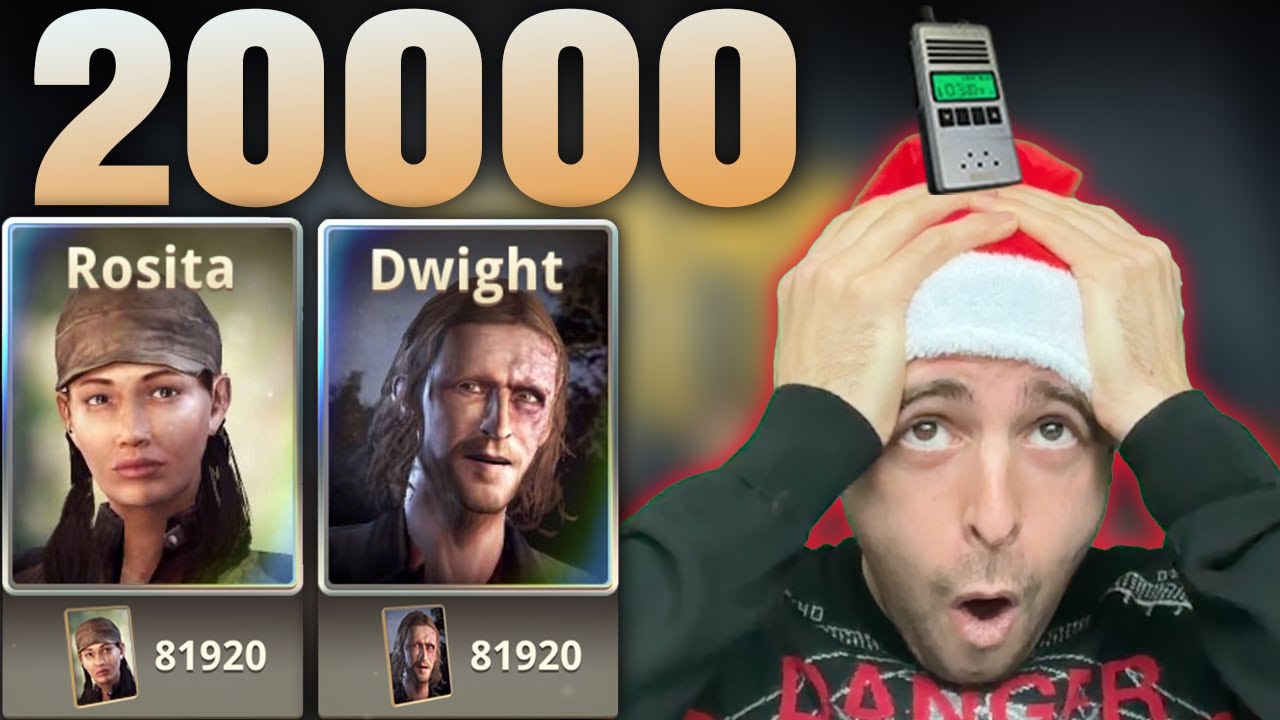
In The Walking Dead No Man's Land, the "Radio Burn"—the strategy of hoarding thousands of Radios to spend in a single, massive session—is the gold standard for players looking to elevate their roster from mid-game stagnation to endgame dominance. Rather than relying on the sporadic, low-probability outcomes of single pulls, a coordinated Radio Burn leverages statistical volume to ensure you receive a steady stream of rare survivor tokens, upgrade materials, and hero duplicates.
By committing to a 20,000-Radio burn, you move beyond "hoping for luck" and transition into a systematic approach that optimizes your resource management and character development.
The Strategy Behind Mass Radio Spending
The primary reason to resist the urge to spend Radios as they enter your inventory is the nature of the game’s summoning engine. When you pull survivors individually, you are subject to the full volatility of the game’s drop rates. However, when you commit to a "burn" of 20,000 Radios, you effectively smooth out the variance.
Over a large sample size of thousands of summons, the probability of pulling high-tier survivors begins to align with the game's advertised drop rates. This massive influx of units serves two purposes:
- Guaranteed Progression: You are almost certain to pull enough duplicates to fully level up existing characters or unlock high-tier heroes that were previously out of reach.
- Resource Recycling: The sheer volume of low-tier survivors you will inevitably pull provides a massive stockpile of training materials and experience points (XP), allowing you to jump-start the leveling process for any new, powerful units you acquire.
Strategic Preparation for Your Radio Burn
Executing a 20,000-Radio burn is not merely a task of clicking "Summon"—it requires significant logistical preparation. If you start a burn without preparation, you will quickly find your progress halted by inventory caps or resource bottlenecks.
Essential Pre-Burn Checklist:
- Inventory Management: Your survivor roster has a finite capacity. Before starting your burn, ensure you have at least 30 to 50 empty slots. A large-scale summoning session will fill your roster rapidly, and you do not want to stop every few minutes to recycle characters.
- Targeting Priorities: Identify which heroes you are aiming to upgrade or unlock. If you have a "Hero Project" in mind, ensure you have the necessary base tokens to make the most of the incoming influx.
- Timing the Burn: While you can burn Radios at any time, aiming for major holiday events or big game updates is often superior. Developers sometimes synchronize these periods with special event banners or improved drop rates for specific character archetypes, making your investment even more valuable.
Managing the Aftermath: Processing Your Yield
Once the burn is complete, the "maintenance" phase begins. You will be left with a massive pile of survivors, tokens, and materials that require immediate attention. If you leave these items sitting in your inbox or roster, you aren't actually stronger—you are just cluttered.
Efficient Post-Burn Workflow:
- Filter and Recycle: Immediately identify duplicates. If a character is already at their maximum star rank or level, convert the excess tokens into the appropriate resource (usually survivor training materials).
- Strategic Leveling: Do not spread your new resources too thin. Focus your newly acquired XP and tokens on your core endgame squad. It is better to have one maxed-out, high-tier hero than ten mid-tier heroes who are all level 20.
- Check for Synergies: Look at the specific traits and roles of the new survivors you pulled. The game often rewards squad compositions that play into specific traits (like "Fast," "Strong," or "Shooter"). Use your new roster additions to refine your team’s synergy.
The Trade-offs of Mass Spending
It is important to acknowledge that a massive Radio burn is a trade-off. You are trading the instant gratification of daily summons for a substantial, account-wide power spike later.
- The Time Commitment: A 20,000-Radio burn is not a quick task. The animation and processing time can take over an hour of dedicated gameplay. Treat this as a "maintenance event" for your account.
- The Randomness Factor: Even with 20,000 Radios, RNG (Random Number Generation) still applies. While you are guaranteed a high volume of rewards, there is no technical guarantee that you will pull a specific, named character. You are betting on the average outcome, not a specific result. If you are hunting for one specific survivor, understand that even at this scale, luck can still be a factor.
Long-Term Impact on Your Account
By concentrating your progress into a single, decisive event, you create a "before and after" state for your account. Mid-game players often find themselves stuck because they upgrade heroes incrementally, never reaching the power thresholds required for the most difficult endgame missions.
A 20,000-Radio burn allows you to bypass this plateau. The influx of power provides the necessary materials to push your heroes through their final gear tiers and level caps. This improved squad strength allows you to:
- Dominate Guild Challenges: Contribute significantly more to your guild's performance during events.
- Clear Difficult Chapters: Overcome story missions and season challenges that were previously gated by power levels.
- Stabilize Your Meta: Build a core, reliable squad that can handle a variety of zombie types, ensuring you are prepared for whatever the game throws at you next.
Ultimately, the Radio Burn is the most disciplined way to play The Walking Dead No Man's Land. It rewards players for patience, strategic planning, and, most importantly, the ability to capitalize on the massive resource injection that comes from dumping a large stockpile of Radios at once. Start saving today, clear your roster, and prepare for the significant power jump that awaits your squad.

Free The Walking Dead No Man's Land Codes
Current active codes and how to redeem them.

Michael Smith
Michael covers live-service games, events, reward systems, and efficient daily routines, turning frequent updates into clear actions for players.
COMMUNITY
Player Comments
89 players commented on this guide.
The tips are practical and easy to follow.
I wish I had read this before upgrading the wrong thing.
This guide answered the exact question I had.
Can you add more details about resources in a future update?