
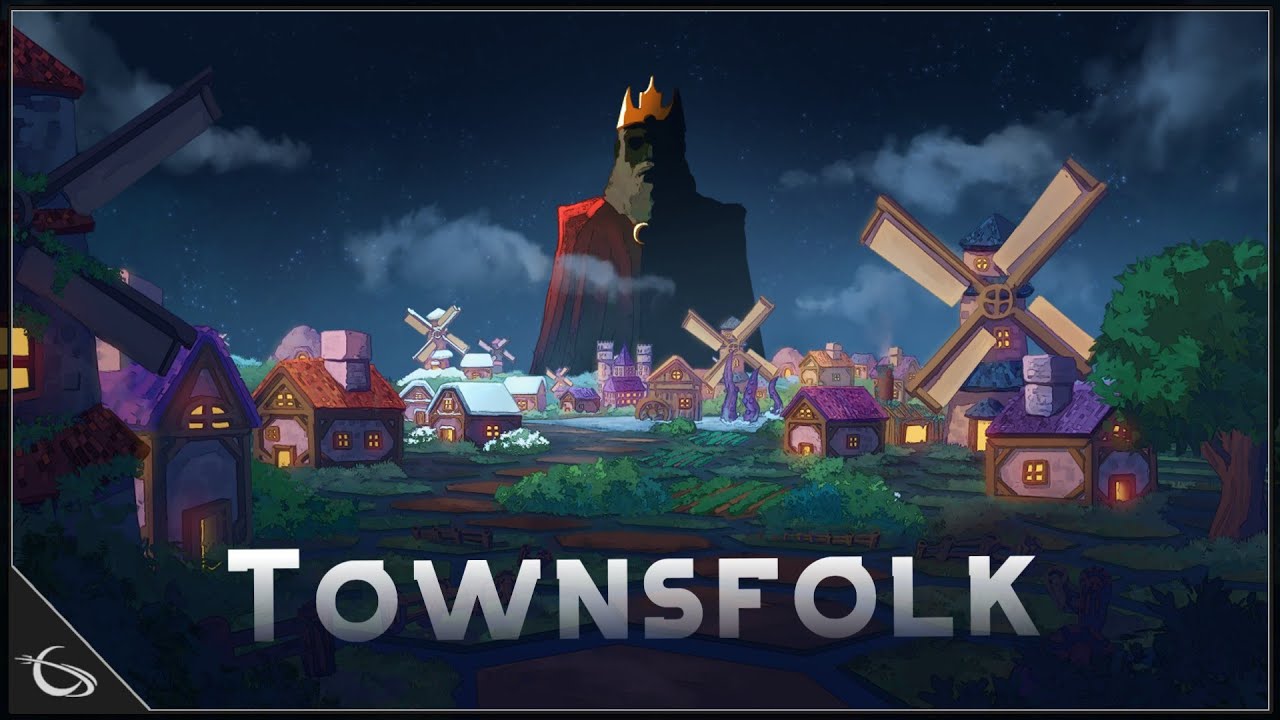
To keep an early settlement operational in TownsFolk, secure immediate timber and food nodes, preserve a dedicated pool of unassigned general laborers for hauling, and construct micro-stockpiles directly beside your processing buildings. Laborers physically transport every item, meaning production collapses if travel times are too long or if no free workers remain to deliver construction supplies.
---
Early Gathering and Node Placement
Your first construction priorities around the town center are raw timber extraction and basic food collection. Maintain a 2:1 gathering ratio favoring timber over stone during your initial setup:
- Woodcutters: Keep two to three workers assigned continuously to supply construction and domestic fuel.
- Foragers and Hunters: Station workers at nearby berry bushes and game herds to maintain an ongoing food baseline.
- Surface Gatherers: Assign temporary workers to clear loose stone around your planned build perimeter, supplying masonry while opening building space.
Because villagers physically walk between gathering nodes, workplaces, and drop-off points, placement directly dictates output. Placing a logging camp deep in a forest without a nearby drop-off forces workers to spend most of their workday walking rather than harvesting. Always position gathering posts within short walking distance of resource nodes and stockpile zones.
---
Labor Allocation and Hauling Roles
Every adult villager consumes daily rations and requires shelter, making idle or misallocated labor an active drain on colony supplies. However, assigning every citizen to a specialized workstation creates an immediate logistics stall. TownsFolk relies on unassigned general laborers to clear ground, haul construction materials to blueprint sites, and transport finished goods to central storage.
Maintain specialized roles for extraction while preserving a floating labor reserve:
| Worker Role | Primary Responsibility | Reallocation Trigger |
|---|---|---|
| Forager / Hunter | Daily food procurement | Reallocate to farming or preserving when food reserves exceed two weeks of consumption. |
| Woodcutter | Harvesting timber and fuel stock | Reallocate to construction only when basic wood stockpiles reach a stable surplus. |
| Refiner / Craftsman | Processing planks, firewood, and tools | Pause production when raw material inputs drop below safe operational thresholds. |
| General Laborer | Hauling goods, clearing land, building | Pull into harvesting slots during peak gathering seasons or sudden resource deficits. |
---
Secondary Processing and Food Preservation
Raw resource consumption is inefficient over long cycles. Raw logs burn poorly and occupy substantial inventory space, while raw meat and fish spoil quickly in warmer seasons. Transition to secondary processing as soon as your initial camp stabilizes.
Firewood and Planks
Constructing a woodchopper station or sawmill converts raw timber into refined firewood and construction planks:
- Firewood: Refined firewood significantly increases the heat output per timber unit, cutting overall forest clearance requirements in half.
- Planks: Processed lumber unlocks tier-two facilities, reinforced housing, and defensive structures that raw logs cannot support.
Meat Smokehouses and Drying Racks
Raw game and fish spoil rapidly without preservation. Smokehouses and drying racks convert raw protein into preserved food that lasts across multiple seasons. Because smokehouses consume fuel during processing, ensure your firewood production covers both residential heating hearths and continuous food preservation.
---
Stockpile Logistics and Winter Preparation
Production buildings stop working when input materials sit stranded at a distant gathering node or when an output buffer fills because storage is full.
Layout and Travel Reduction
- Build micro-stockpiles: Place specialized, single-resource stockpiles adjacent to the buildings that consume them. Place a log yard directly beside the sawmill and a raw-meat bin next to the smokehouse so craftsmen do not act as long-distance porters.
- Connect paths: Lay paths between residential quarters, production hubs, and storage facilities to raise worker movement speed and reduce shift downtime.
Managing Seasonal Shifts
Winter shuts down foraging nodes and doubles domestic firewood consumption due to freezing weather. Before cold weather arrives, audit your economy:
- Shift gatherers away from inactive foraging nodes into indoor refinement, tool upkeep, and firewood splitting.
- Stockpile fuel based on double your autumn burn rate to protect residential hearths and keep food preservation running.
- Maintain a separate emergency cache of preserved food and fuel to survive unexpected winter cold spikes, prolonged thaws, or predatory attacks without depleting everyday operational stores.

Free TownsFolk Codes
Current active codes and how to redeem them.

James Brown
James focuses on Android gaming on PC, emulator setup, controls, performance tuning, and practical troubleshooting for longer play sessions.
COMMUNITY
Player Comments
36 players commented on this guide.
This helped me understand resources much better.
The explanation is clear, especially for beginners.
The tips are practical and easy to follow.
Good guide for TownsFolk players. The resources part was useful.