
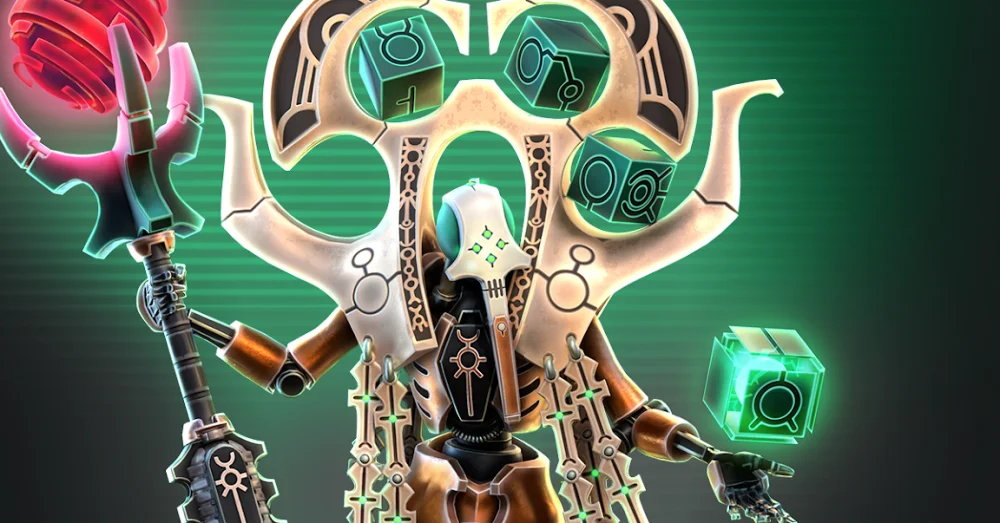
Raw stat cards in Warhammer 40,000: Tacticus ™ ™ are misleading because flat armor reduces damage on every individual hit before minimum damage thresholds apply. To evaluate characters accurately across the 117-unit roster, you must weigh an attacker's hit count and piercing ratio against a defender's armor type and health pool.
Invest your badges and energy into universal piercing damage dealers first, and reserve multi-hit physical units for encounters where you can deploy flat-damage buffers.
How Armor Reduction Affects Attack Profiles
In combat calculations, a target's flat armor value subtracts damage from each separate hit in an attack sequence. This mechanic creates a sharp divergence in real-world damage output depending on the attack type:
- High-Pierce Attacks (Psychic, Energy, Direct): These attacks bypass most or all armor mitigation. Their damage output remains consistent against all 117 characters, making them reliable counters to heavily armored targets.
- Low-Pierce Multi-Hit Attacks (Physical, Bolter): These attacks distribute damage across multiple hits. Against heavily armored opponents, such as units with Mk X Gravis or Terminator armor, each hit suffers the full flat armor reduction, causing total damage to collapse toward the minimum threshold. They perform best against unarmored swarms or glass cannons.
- Crit-Dependent Attacks: Units that rely on critical strikes need external crit-chance buffs to punch through high-armor thresholds reliably. Without team support, their damage variance is volatile.
Toughness: Armor Mitigation vs. Raw Health Pools
Survivability across the roster divides into two primary defensive archetypes: high-mitigation armor and deep health pools.
High-Armor Mitigation
Units equipped with high base armor or specialized traits (such as Mk X Gravis and Terminator armor) reduce incoming damage from low-pierce, multi-hit physical attacks to negligible chip damage. However, armor provides zero protection against psychic attacks or direct damage. When facing pure-pierce specialists, high-armor units lose their effective health advantage immediately.
Deep-Pool Health Sponges
Units with massive health pools but lower base armor absorb higher chip damage from basic physical and bolter fire. In exchange, they do not suffer catastrophic defensive collapses against psychic or high-piercing weapons. They serve as reliable anchors when facing mixed or anti-armor enemy squads.
Combat Benchmark Archetypes
Comparing attack types across median roster defenses reveals distinct tactical roles:
| Attack Archetype | Primary Strength | Limitation | Tactical Role |
|---|---|---|---|
| Pure Pierce / Psychic | Ignores enemy armor; stable damage against all units | Lower hit counts; gains limited scaling from flat damage buffs | Hard counter to heavy armor tanks |
| Multi-Hit Physical / Bolter | Scales exponentially with flat-damage buffers | Severely mitigated by heavy armor without buffer support | Rapid elimination of low-armor targets |
| Hybrid Piercing | Balanced output against medium and heavy armor | Moderate damage ceiling without critical strike triggers | Midline brawling and flexible skirmishing |
Roster Investment and Squad Deployment Rules
Use these combat benchmarks to direct your resource investments and squad selections:
- Prioritize high-pierce damage dealers for general progression: Characters with psychic, energy, or high-percentage piercing attacks perform consistently across campaign stages, Arena matchups, and Guild Raid bosses regardless of enemy armor scaling.
- Pair physical multi-hit attackers with flat buffers: If your primary damage dealer uses physical or bolter attacks, deploy a support buffer like Eldryon. Flat damage buffs add value to every individual hit, overcoming the target's armor reduction.
- Scout enemy damage types before choosing a tank: Deploy high-armor blockers against physical, multi-hit compositions. Switch to deep-health pool bruisers whenever opposing teams feature heavy psychic or direct damage threats.
Free Warhammer 40,000: Tacticus ™ Codes
Current active codes and how to redeem them.

Michael Smith
Michael covers live-service games, events, reward systems, and efficient daily routines, turning frequent updates into clear actions for players.
COMMUNITY
Player Comments
149 players commented on this guide.
The explanation is clear, especially for beginners.
This helped me understand strategy much better.
This saved me time in the early game.
Nice guide. I am checking the other Warhammer 40,000: Tacticus ™ articles next.