
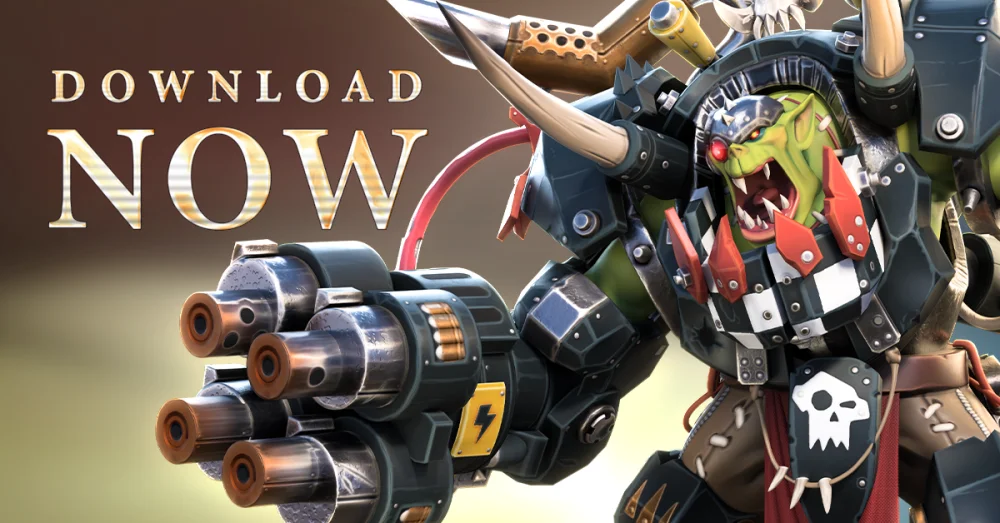
In Warhammer 40,000: Tacticus, Gulgortz occupies a unique, albeit polarizing, position within the Ork faction. As the primary leader of the Ork campaign, his value is tied heavily to mandatory progression requirements, yet his utility in competitive endgame modes often leaves veteran players wanting more. To decide whether Gulgortz belongs in your active rotation or should be relegated to a support role, you must first understand that he is a "force multiplier" rather than a "damage dealer."
Gulgortz’s primary utility is his ability to flood the board, a mechanic that can turn the tide in campaign missions where positioning is more vital than raw DPS. However, his effectiveness scales poorly compared to top-tier meta units. This guide provides an expert breakdown of how to optimize Gulgortz for campaign success while identifying the exact thresholds where you should stop investing resources.
Decoding Gulgortz’s "Waaagh!" Mechanics
At the heart of Gulgortz's kit is his "Waaagh!" ability. This active skill allows him to summon Orks onto the battlefield, effectively increasing your unit count. In Warhammer 40,000: Tacticus, action economy is king. By adding units to the board, Gulgortz provides several strategic advantages:
- Objective Control: Summons can contest points, forcing the AI or an opponent to waste their turn attacking your disposable units rather than your high-value damage dealers.
- Target Saturation: By clogging the map, you create a "meat shield" that prevents enemy melee units from reaching your ranged attackers.
- Action Economy: Even if the summons do low damage, they occupy tiles. This is particularly effective in high-difficulty campaign missions where blocking enemy movement paths is as important as killing them.
The Expert Caveat: The effectiveness of these summons is strictly gated by your ability to keep Gulgortz alive. Because his summons disappear or become significantly less impactful if he is focused down early, his "Waaagh!" is essentially a defensive mechanic disguised as an offensive one. You aren't summoning to kill; you are summoning to stall.
Campaign Progression: The Mandatory Investment
If you are currently pushing through the Fall of Cadia or Ork-specific campaigns, Gulgortz is essentially mandatory. Warhammer 40,000: Tacticus utilizes a strict faction-locking system for campaign nodes. Without Gulgortz, you simply cannot progress past certain milestones.
For campaign play, your resource allocation strategy should be:
- Survival First: Prioritize armor and health upgrades. Gulgortz needs to survive until Turn 2 or 3 to trigger his Waaagh! effectively.
- Minimum Viable Leveling: Only invest enough in his damage stats to ensure he isn't a "dead weight" that fails to clear basic trash mobs.
- Badge Economy: Do not waste rare or epic badges on his passive skills unless you have surplus resources. Focus your badges primarily on his "Waaagh!" ability to increase the number and health of his summons.
The Performance Ceiling: Why He Struggles in the Meta
When transitioning from the campaign to competitive modes like Arena, Guild Raids, or Live PvP, the limitations of Gulgortz become glaring. His raw damage output is modest, and he lacks the armor-piercing or high-crit capabilities required to threaten meta-heavy squads.
Comparing Gulgortz to Meta Alternatives
- Versus High-DPS Units: Units like Calandis or Thaddeus Noble offer superior single-target burst damage that Gulgortz simply cannot replicate. In modes where you have a limited number of roster slots, Gulgortz is almost always the first to be cut.
- Versus Tank Units: If you need a front-line tank, characters like Maladus or Arjac Rockfist offer significantly higher survivability and better crowd-control utility.
- The Summoner Comparison: While Gulgortz summons units, they lack the offensive synergy of Archimatos’s summons or the sheer durability of Isabella’s healing presence.
In Guild Raids, where every point of damage matters, Gulgortz is rarely a viable pick. He provides no debuffs (like "Armor Shred") or buffs (like "Damage Boost") that significantly increase your team’s total output against bosses.
Strategic Resource Management
The most common mistake players make in Warhammer 40,000: Tacticus is over-investing in characters early in the game. Resources—specifically Salvage, XP books, and Faction Badges—are extremely limited.
When to stop upgrading Gulgortz:
- The Campaign Threshold: Once you have cleared the specific campaign nodes required for your daily farming, stop. There is no reason to push Gulgortz to Legendary or Diamond rank unless you have completed your core competitive roster.
- Salvage Efficiency: Use your Salvage to upgrade his items only when it prevents him from being one-shot by campaign enemies. If he survives the first turn, he has done his job.
Common Mistakes to Avoid
- Over-valuing the Summons: New players often assume that more units equal more wins. In the late game, summons often feed "kill-chain" abilities for enemy units. Be mindful of which enemies you are facing; if they have high multi-hit or splash damage, Gulgortz’s summons might actually help the enemy team more than they help yours.
- Neglecting Passive Synergy: Gulgortz’s passive ability provides a small buff to nearby Orks. While situational, it can make a difference in niche Ork-only teams. If you are building a dedicated Ork squad for specific events, ensure you are positioning your units to maximize this aura.
- Ignoring Weapon Upgrades: While armor is vital for survival, don't ignore his weapon entirely. If his damage output falls too far behind, he becomes a "dead tile" that cannot even finish off wounded enemies, effectively wasting an action.
Final Verdict: Is Gulgortz Worth Your Roster Slot?
Gulgortz is a campaign specialist. He is a necessary tool for unlocking content and farming resources, but he is not a cornerstone of an elite-level roster.
- Early Game: Essential. Level him to keep your progress moving.
- Mid-Game: Maintain him at a level appropriate for your campaign progress.
- End-Game: Bench him. Reserve your precious upgrade materials for meta-defining characters who provide high-utility buffs, armor shred, or massive burst damage.
By treating Gulgortz as a means to an end rather than a primary damage dealer, you will preserve your resources for more impactful units, ensuring your long-term success in Warhammer 40,000: Tacticus. Focus on the core mechanics that make him useful—board presence and stalling—and you will find that he serves his purpose perfectly without needing to be the star of your account.
Free Warhammer 40,000: Tacticus ™ Codes
Current active codes and how to redeem them.

Sarah Williams
Sarah specializes in RPG and collection games, explaining team building, character growth, and beginner-friendly ways to avoid expensive early mistakes.
COMMUNITY
Player Comments
160 players commented on this guide.
Good guide for Warhammer 40,000: Tacticus ™ players. The resources part was useful.
I tried this today and it worked better than my old setup.
The explanation is clear, especially for beginners.
The tips are practical and easy to follow.