
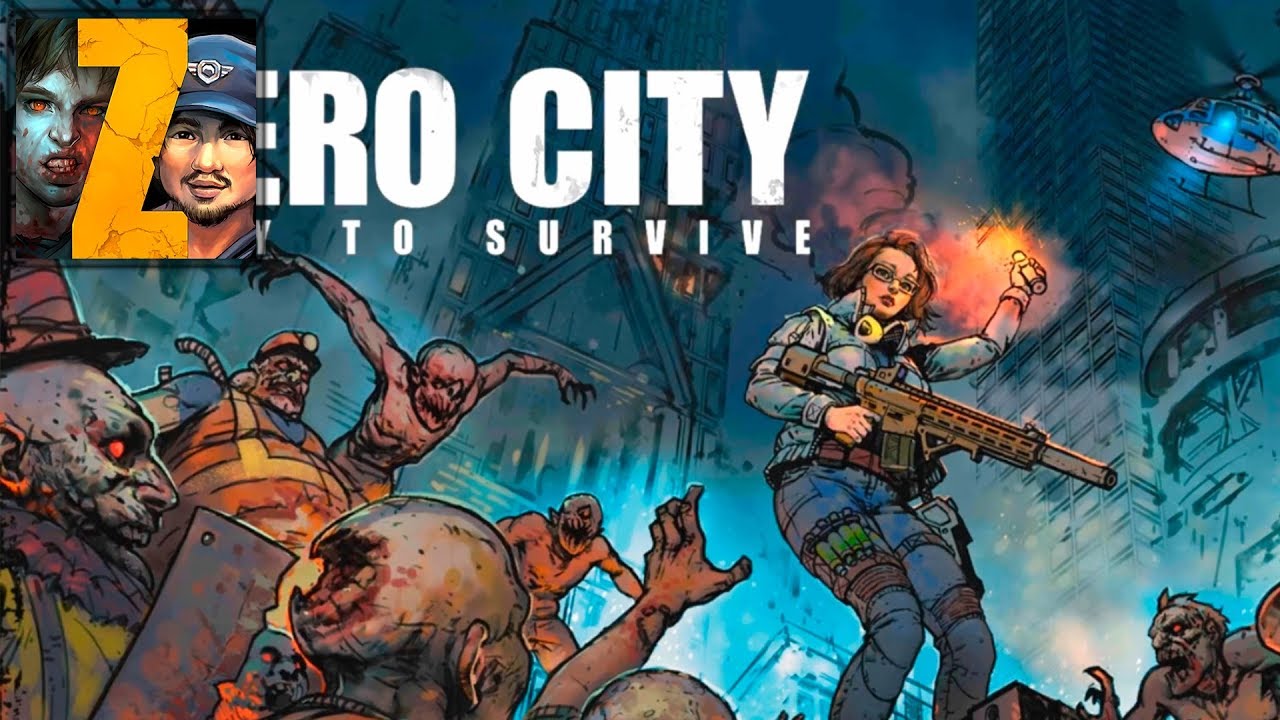
In Zero City: Zombie Shelter Game, the early game is a delicate balancing act between rapid base expansion and tactical survivor deployment. New players often struggle because they treat missions as standalone encounters rather than integrated components of a broader survival engine. To succeed, you must view every combat mission as a deliberate step toward unlocking infrastructure, upgrading your Command Center, and optimizing your survivors' combat potential.
Understanding the Early Mission Map
The campaign map is your primary engine for growth. Every node you clear acts as a gatekeeper for essential shelter features. Before committing survivors to a node, you must interpret the data provided by the tactical overview screen.
- Combat Power (CP) Requirements: The game provides a recommended CP level for every mission. If your squad’s total CP is significantly lower than the recommended value, you are likely to sustain heavy damage or fail entirely.
- Mission Archetypes: Early missions typically fall into "Clearance" (eliminating all threats) or "Survival" (holding a position). Recognizing these types allows you to adjust your gear loadouts before the fight begins.
- Recurring Resource Nodes: After clearing a mission, some nodes offer repeated rewards. Identify these early; they are your primary source for farming food and gold when you aren't pushing the main campaign.
Tactical Squad Composition and Survivor Roles
Combat in Zero City: Zombie Shelter Game is semi-automated, meaning your preparation is far more important than your in-game reflexes. Success hinges on the "Tank-DPS-Support" triad.
- The Frontline (Tanks): Always equip your survivors with the highest armor values in these slots. Their sole purpose is to soak up damage from zombies, preventing enemies from reaching your vulnerable backline.
- Ranged DPS: These survivors should be equipped with weapons that provide the highest damage-per-second (DPS). Place them behind your tanks so they can safely deal damage without being targeted.
- Survivor Specialization: Use your Training Rooms to specialize survivors early. A survivor with high "Combat" stats is significantly more effective than one with balanced stats across all categories. Do not waste training time on survivors who don't fit your combat squad.
Managing Combat Resources and Storage
Your shelter’s growth is dictated by your ability to manage Food and Gold. Food is the lifeblood of your squad; it is required for every mission entry. If you run out of food, your progress effectively stalls.
- Avoid Storage Overflows: Never farm resources if your storage rooms are full. If you hit a cap, immediately spend resources on upgrading your rooms or training your survivors.
- The Upgrade Loop: Use the gold earned from combat to upgrade your "Resource Production" rooms first. Higher production rates mean you can sustain more combat missions, which in turn leads to more loot and faster level progression.
- Equipment Crates: Save your equipment crates until you have upgraded your workshop or have a clear need for a specific gear slot. Opening them too early can result in gear that becomes obsolete within hours.
Strategic Decision Making: Gear vs. Level
When you hit a "difficulty wall," where missions seem impossible, avoid the temptation to throw your squad at the objective repeatedly. Instead, conduct a "Gap Analysis":
- Check the Gear: Is your tank’s armor level up to date? In Zero City, a high-level survivor with low-level gear is often weaker than a lower-level survivor with top-tier equipment. Prioritize weapon and armor upgrades over character level-ups when resources are scarce.
- Check the Training: If your gear is maxed out for your current Command Center level, your bottleneck is likely survivor training. Ensure your Training Room is constantly running, focusing on the survivors who comprise your active combat squad.
- Base Layout: Ensure your rooms are organized for efficiency. Keep production rooms near your storage to minimize the time survivors spend walking across the screen, which can indirectly impact your readiness for sudden combat encounters.
Common Mistakes to Avoid
Many new players fall into specific traps that hinder their long-term growth. Avoiding these will put you ahead of the curve:
- Over-extending the Squad: Do not try to rush the campaign. Clearing a difficult mission by a hair's breadth often leaves your survivors wounded for longer, slowing down your ability to farm resources. Consistent, "easy" victories are better than Pyrrhic ones.
- Neglecting Room Upgrades: Every room upgrade increases the maximum efficiency of your shelter. If you focus only on combat and ignore your base, you will eventually reach a point where your survivors cannot be leveled further because your rooms are too weak.
- Ignoring PvP Potential: While this guide focuses on PvE, keep an eye on your multiplayer rank. Even early-game raids on other shelters can provide rare resources that are otherwise hard to find in the campaign.
Mastering the Combat Cycle
The most effective way to play Zero City: Zombie Shelter Game is to establish a rhythm:
- Preparation: Check your food levels and training room status.
- Execution: Clear campaign nodes until you reach your current CP limit.
- Refinement: Use the rewards from those nodes to upgrade your gear and training levels.
- Optimization: Once your CP has increased, return to the campaign to unlock the next tier of base buildings.
By following this cycle, you ensure that your shelter remains sustainable while your squad continues to grow in strength. Remember that Zero City is a game of patience and incremental improvement; by focusing on these foundational mechanics, you will build a resilient, high-functioning shelter capable of surviving the toughest post-apocalyptic threats.

Free Zero City: Zombie Shelter Game Codes
Current active codes and how to redeem them.

Michael Smith
Michael covers live-service games, events, reward systems, and efficient daily routines, turning frequent updates into clear actions for players.
COMMUNITY
Player Comments
114 players commented on this guide.
I tried this today and it worked better than my old setup.
I wish I had read this before upgrading the wrong thing.
This guide answered the exact question I had.
The tips are practical and easy to follow.