
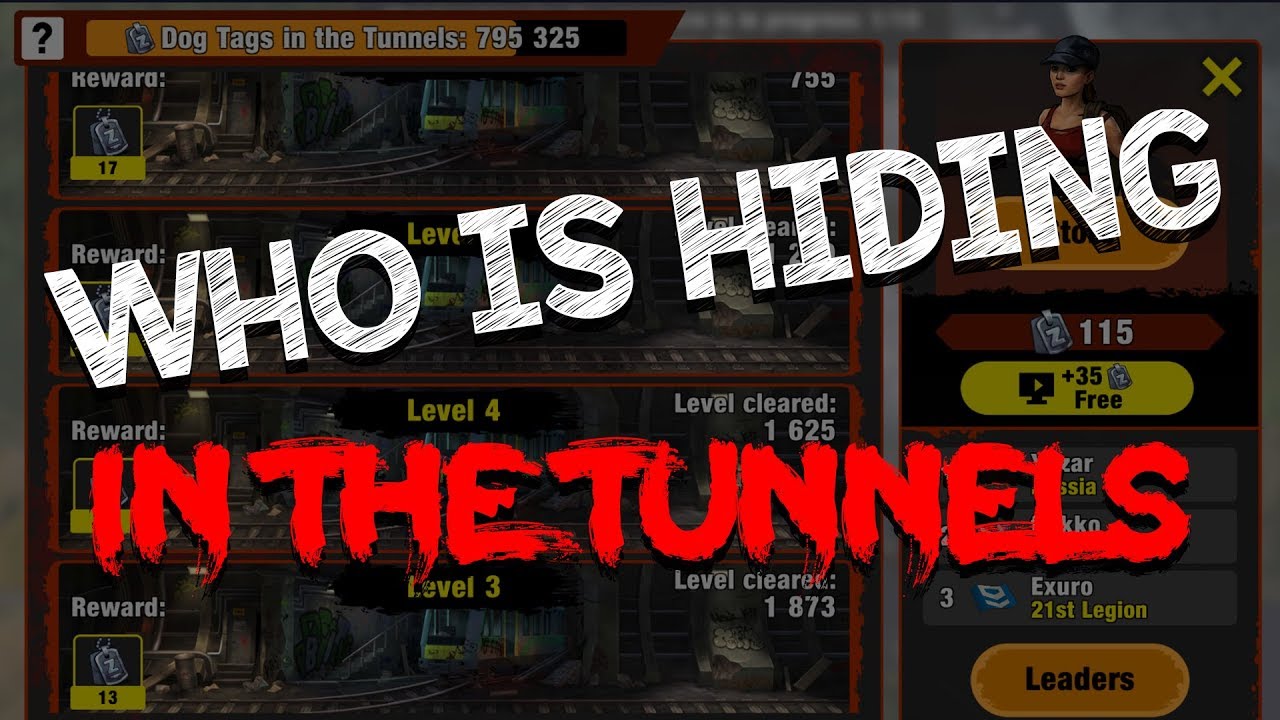
In Zero City: Zombie Shelter Game, the Tunnels serve as the ultimate proving ground for your survivors. Unlike standard base management, this mode requires a shift from passive defense to aggressive, multi-stage tactical combat. To successfully clear the Tunnels, you must move beyond basic power levels and focus on squad synergy, equipment optimization, and the careful pacing of abilities across multiple waves of infected threats.
Understanding the Tunnel Progression System
The Tunnels are structured as a progressive gauntlet. You aren't just fighting one battle; you are managing your squad’s health and cooldowns through a series of increasingly difficult encounters. The difficulty spikes occur at specific stages, often culminating in "Boss Waves" where the zombie density and individual enemy stats increase significantly.
Key progression mechanics include:
- Sequential Combat: Damage taken in early waves carries over. There is no automatic full heal between stages, making damage mitigation just as important as DPS.
- Difficulty Scaling: As you delve deeper, the game shifts from testing your raw squad power to testing your tactical flexibility.
- The "Wall" Phenomenon: If you encounter a stage where your frontline collapses before the boss, it is a clear indicator that your gear tier or survivor training is insufficient for that depth.
Equipping Your Squad for Subterranean Combat
Your success in the Tunnels is heavily dependent on the gear equipped by your survivors. Because the Tunnels feature high-density mobs, you need a mix of burst damage and sustained survivability.
Gear Priorities by Role:
- Frontline Tanks: Focus exclusively on physical resistance and Health (HP) stats. Your tank’s primary job is to hold the aggro of the boss while your backline does the work. If your tank dies, the mission fails immediately.
- Damage Dealers (DPS): Prioritize armor penetration and attack speed. In later tunnel stages, enemies possess high armor ratings; if your DPS units aren't bypassing this, they will be unable to clear the trash mobs quickly enough to support the tank.
- Support/Utility: If your roster allows, equip at least one survivor with gear that provides healing or debuffing capabilities. These units are invaluable for keeping your frontline alive during prolonged boss encounters.
Managing Health and Ability Cooldowns
A common mistake among intermediate players is "ability dumping"—using all your powerful active skills on the first group of enemies. In the Tunnels, patience is a resource.
- Conserve Cooldowns: Use standard attacks on smaller, weaker mobs to save your ultimate abilities for the elite zombies or bosses at the end of the run.
- Monitor Health Percentages: If a survivor is nearing 30% health, consider switching their position or using defensive combat items immediately. Waiting until they are at 5% health is often too late due to the high damage output of late-game tunnel zombies.
- The Transition Window: Between waves, take a moment to assess which survivors are the lowest on health. If you have any "heal-over-time" items, these are best used immediately after a wave ends if the next wave is expected to be difficult.
Strategic Team Composition for Tunnel Raids
There is no single "best" team, as the effectiveness of your squad depends on the specific enemies within a tunnel level. However, a balanced archetype is essential for long-term survival.
The Balanced Archetype:
- The Anchor (1 Tank): Must be the highest-leveled survivor with the best defensive gear.
- The Shredder (1-2 Damage Dealers): Focus on high-frequency, high-damage weapons. If you face armored enemies, prioritize weapons with "Armor Piercing" traits.
- The Specialist (1 Support/Utility): A unit capable of crowd control or healing.
Pro-Tip: Before entering a tunnel, inspect the enemy lineup. If the game warns you of high-health enemies, swap your gear to focus on sustained DPS. If the warning mentions "swarms" or "many enemies," prioritize gear with AoE (Area of Effect) damage or faster fire rates to thin the herd before they overwhelm your tank.
The Role of Base Development in Tunnel Success
You cannot brute-force your way through the Tunnels indefinitely. If you find yourself consistently failing at a specific depth, it is a direct signal that your base infrastructure needs attention.
- Training Room: Ensure your survivors are at the maximum possible level for your current base tier. A high-level survivor with mediocre gear will often outperform a mid-level survivor with top-tier gear in the Tunnels.
- Workshop Upgrades: If your damage output is too low, you are likely failing to upgrade your weapons and armor in the Workshop. Always aim for the highest rarity gear available to your level.
- Resource Management: Treat the Tunnels as a secondary resource engine. The materials found here are specifically designed to help you craft better gear, which in turn allows you to push deeper into the Tunnels.
Common Mistakes to Avoid
- Ignoring Enemy Intel: Always check the "Recommended Power" and enemy types before starting. Entering a tunnel while significantly under-leveled is a waste of time and supplies.
- Forgetting to Repair: Ensure all gear is at 100% durability before entering. A broken piece of equipment mid-tunnel can turn a winning run into a disaster.
- Static Formations: Don't be afraid to change your formation. Sometimes moving your weakest survivor to the back or swapping a tank's weapon can provide the exact edge needed to clear a difficult wave.
By consistently upgrading your survivors, refining your gear in the Workshop, and practicing disciplined ability usage, you will find that the Tunnels in Zero City: Zombie Shelter Game become a manageable, rewarding part of your daily routine. Treat every failure as a data point—if you failed at wave five, analyze whether it was a lack of damage, lack of health, or poor ability management, and adjust accordingly.

Free Zero City: Zombie Shelter Game Codes
Current active codes and how to redeem them.

Michael Smith
Michael covers live-service games, events, reward systems, and efficient daily routines, turning frequent updates into clear actions for players.
COMMUNITY
Player Comments
106 players commented on this guide.
This guide answered the exact question I had.
I wish I had read this before upgrading the wrong thing.
Good guide for Zero City: Zombie Shelter Game players. The strategy part was useful.
The explanation is clear, especially for beginners.