
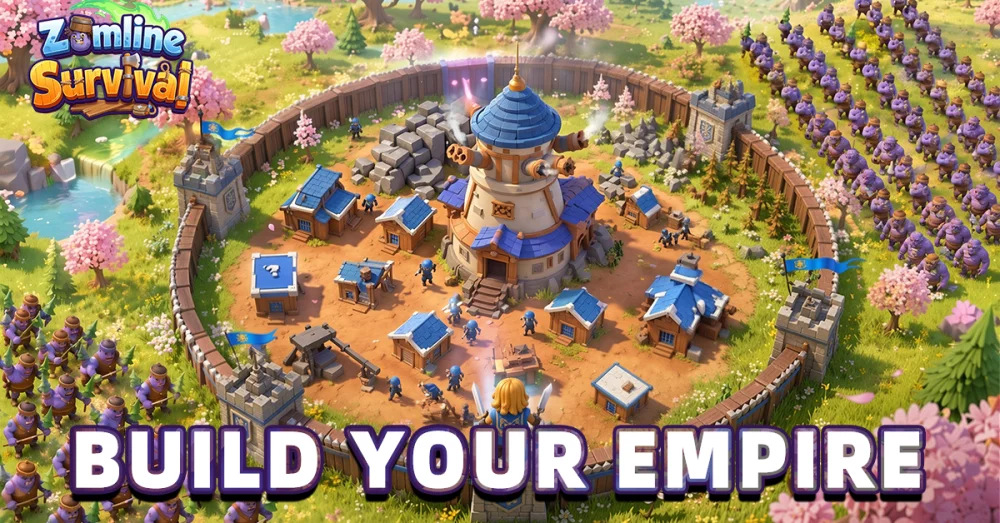
Surviving the high-seas expedition in Zomline Survival requires a fundamental shift in your survival strategy. Moving from land-based stability to maritime uncertainty forces you to treat your vessel not just as a vehicle, but as a mobile, high-stakes base that requires constant maintenance and tactical awareness. To succeed, you must master the art of beacon-guided navigation, maintain ironclad cabin integrity, and manage your crew’s specialized skill sets to mitigate the harsh environmental attrition of the post-apocalyptic ocean.
Navigating by Beacon Signals
Effective maritime progression in Zomline Survival relies on strict adherence to beacon-guided paths. Navigational beacons serve as your primary objective markers, dictating the safest route through unpredictable waters. Deviating from these established paths increases the risk of encountering high-level hazards—such as aggressive sea mutants or treacherous debris fields—that can quickly overwhelm a standard ship configuration.
To optimize your traversal, align your ship’s heading directly with the signal flares encountered on the horizon. These markers are not just waypoints; they are essential for avoiding shallow waters that can damage your hull. Consistently tracking these signals allows you to conserve precious fuel and resources, ensuring that you reach the next safe harbor or resource node without unnecessary combat or environmental attrition.
Fortifying Ship Cabin Integrity
The ship cabin functions as your mobile base of operations, and its defense is the cornerstone of successful sea-based survival. Unlike land bases, the cabin is susceptible to both boarding parties and structural damage caused by turbulent sea conditions. You must prioritize upgrading internal bulkheads and structural supports to prevent catastrophic failure during intense encounter sequences.
When preparing for a voyage, categorize your internal defense into two tiers: active and passive.
- Active Defense: Involves positioning your survivors to guard entry points. Use high-combat stats survivors at the deck access points to intercept boarders before they breach the interior.
- Passive Defense: Focuses on reinforcing cabin walls and installing fire-suppression systems to minimize damage from environmental stressors or fire-based attacks.
Regularly inspecting these structural components before setting sail is a mandatory habit, as the ocean environment provides significantly fewer repair opportunities than the mainland.
Managing Risks During Open-Sea Voyages
The transition to a sea-faring strategy introduces an "all-in" mentality where every resource committed to a journey must provide a tangible return. You should avoid unnecessary detours once you have set a course, as the open sea limits your ability to retreat or resupply effectively. Assess your crew’s stamina and the ship’s durability stats before departing; if either is below the optimal threshold, the risk of failure increases exponentially.
Trade-offs in this mode center on the balance between speed and security. You can choose to navigate faster to reach objectives before a storm or enemy wave hits, but doing so often results in higher fuel consumption and reduced structural awareness. Conversely, slow, methodical movement preserves your ship's condition but leaves you vulnerable to prolonged exposure to the elements and potential ambush.
Tactical Response to Maritime Threats
Maritime combat in Zomline Survival demands immediate, fluid reactions to threats that appear alongside your vessel. Unlike land encounters, where you have clear chokepoints, sea combat is dynamic and requires rapid positioning. Keep your primary defensive units ready to switch between deck defense and internal cabin protection as the situation dictates.
Effective response strategies include:
- Constant Vigilance: Use your camera to monitor the periphery of your ship for incoming hostiles or debris before they reach your defensive perimeter.
- Prioritize Repair: If a portion of your cabin is breached, focus your repair resources on that specific sector immediately to prevent the breach from spreading to critical machinery.
- Resource Allocation: Keep a reserve of repair kits or scrap metal specifically for mid-voyage emergencies; never exhaust your entire stockpile before leaving the safety of the port.
Preparing for Long-Distance Expeditions
Successful long-distance travel requires extensive preparation that goes beyond standard inventory checks. Before committing to a journey, confirm that your beacon navigation path is clear of known high-threat zones. Players who ignore the environmental warnings provided by the navigation interface often find themselves stranded in deep water with no way to repair or reach the target destination.
Lastly, align your crew's specializations with the requirements of the sea. Survivors with high Maintenance or Engineering traits should be prioritized for your ship-based teams, as their ability to mitigate damage to the vessel's hull is significantly more valuable than combat-focused traits while you are at sea.
Key Recommendations for Success:
- Prioritize Engineering Skills: Assign your best mechanics to the engine room to reduce fuel consumption and increase repair speed during combat.
- Stockpile Repair Kits: Never leave port with less than a 20% surplus of repair materials beyond your calculated voyage needs.
- Upgrade the Hull Early: If you are consistently taking damage from sea debris, prioritize hull plating upgrades over weapon systems to ensure the longevity of your base.
- Monitor Weather Reports: In Zomline Survival, storms can drastically reduce visibility and navigation accuracy. If a storm is forecasted, wait at the current harbor rather than risking an expensive voyage.
By focusing on maintenance and logistical readiness, you ensure that your ship remains an impenetrable fortress regardless of how far you drift from the shore. Mastering these mechanics turns the daunting open-sea environment from a source of constant stress into your most reliable source of high-tier loot and progression.

Free Zomline Survival Codes
Current active codes and how to redeem them.

Michael Smith
Michael covers live-service games, events, reward systems, and efficient daily routines, turning frequent updates into clear actions for players.
COMMUNITY
Player Comments
57 players commented on this guide.
This guide answered the exact question I had.
The tips are practical and easy to follow.
Nice guide. I am checking the other Zomline Survival articles next.
This saved me time in the early game.