
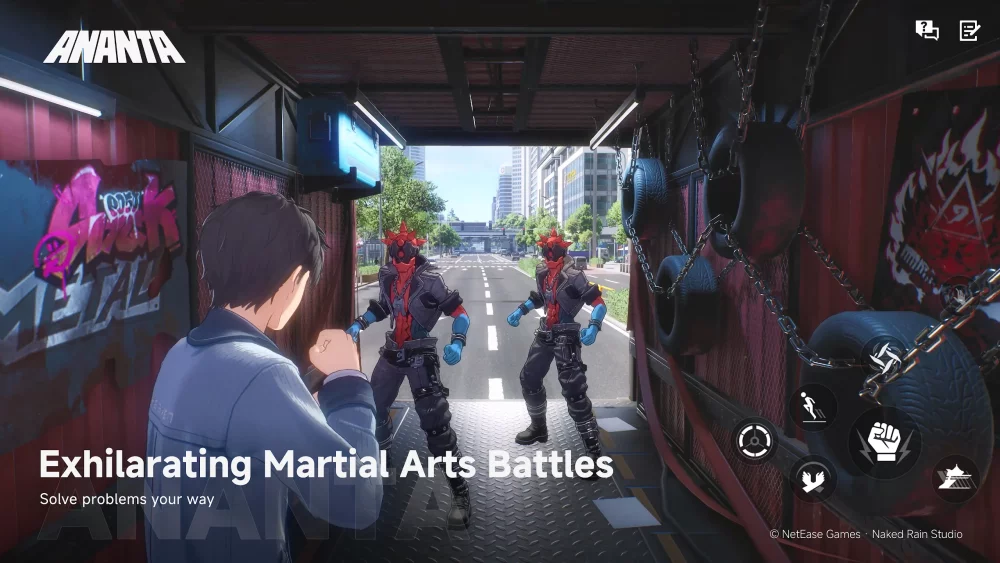
To effectively navigate the world of ANANTA, you must understand the underlying corporate and faction-based power structures that govern the game's setting. Your progression in ANANTA is not merely a matter of mechanical skill; it is a strategic simulation where your long-term success is tied to the alliances you forge and the corporate entities you choose to support. By identifying which entities hold authority and how their objectives overlap with your personal goals, you can anticipate narrative shifts, secure exclusive resources, and maintain a competitive edge throughout the game’s content cycles.
Decoding the Power Dynamics of ANANTA
The world of ANANTA is defined by a deep, intricate hierarchy where corporate entities and societal factions vie for control. Unlike games with singular narrative paths, ANANTA utilizes a setting where your interactions are mediated by the philosophies of these dominant groups. Understanding these players is essential for interpreting the game's broader context, as each organization operates with distinct, often conflicting, agendas that influence the environments you will explore.
When you enter a new region or encounter a major plot point, the "faction" in control typically dictates the available resources and the general tone of the area. Recognizing the insignia and operational style of the major organizations helps you predict how they will react to your presence. Early on, prioritize mapping which zones are controlled by which entities, as this directly affects the types of quests and social interactions you will encounter during your progression.
Major Factions and Their Operational Influence
ANANTA presents several distinct factions, each representing a different approach to the game's central societal challenges. These groups are not merely background flavor; they serve as the pillars of the game's world-building, and their histories are deeply intertwined with your journey. Knowing the motivations behind these groups can help you avoid making early, irreversible mistakes in how you approach social and narrative interactions.
- Core Ideological Factions: These groups are defined by their stance on the "Infinity" phenomenon and how society should adapt to it. Some favor total control, while others seek integration. Aligning with these groups often unlocks foundational narrative paths.
- Neutral Enclaves: These factions act as brokers or traders. They provide a vital middle ground where you can secure supplies without immediately pledging loyalty to one of the larger, more aggressive powers. Use these zones to stockpile resources during the mid-game.
- Subversive Elements: These groups operate in the shadows, focusing on dismantling the status quo. Interacting with them often leads to high-risk, high-reward mission structures that can yield rare items but may alienate more established factions.
Analyzing Corporate Hegemony in ANANTA
The corporations in ANANTA serve as the primary drivers of technology and urban infrastructure. These entities are not just suppliers of goods; they are active participants in the power struggle. Each corporation possesses its own unique aesthetic, resource output, and social standing, which directly translates into the quality and type of gear you can acquire while in their territory.
When you investigate a corporate hub, pay close attention to the specific technology they champion. Some corporations focus on defensive hardware and stabilization, while others specialize in offensive capabilities or information warfare. Your choice of which corporate "missions" to prioritize will yield different specialized equipment, meaning your long-term build efficiency is tied to your relationship with these corporate giants.
- Manufacturing Leaders: Focus on raw material output and structural upgrades.
- Tech Conglomerates: Provide access to advanced interface modules and specialized combat software.
- Logistics Networks: Control the flow of goods across the map, offering reduced travel costs and expanded inventory capacity for those in their favor.
Strategic Advantages of Faction Alignment
Aligning your actions with a specific faction provides distinct, measurable benefits that accelerate your progression. By focusing your early gameplay on a single group's narrative path, you unlock unique dialogue options and potential access to restricted areas that would otherwise remain closed. These advantages are crucial for players looking to optimize their exploration time and minimize the need for backtracking through hazardous zones controlled by hostile organizations.
- Resource Specialization: Aligning with tech-heavy factions often yields higher-tier crafting components earlier in the game, allowing for faster power spikes.
- Safe Passage: Maintaining high standing with a faction allows for easier, faster traversal through their protected urban sectors, saving valuable time during missions.
- Narrative Access: Certain story endings are gated behind your relationship status with the primary factions, making your choice of allies a critical long-term decision that impacts your ultimate success in the game.
Navigating Trade-offs and Limitations
While aligning with a faction offers benefits, it is vital to recognize the inherent trade-offs. The world of ANANTA is designed with a "zero-sum" logic in many scenarios; helping one faction often alienates another. Before committing to a major alliance, consider that you may lose access to specific vendors, unique questlines, or regional shortcuts tied to the rival faction.
Always evaluate whether the immediate reward—such as gear or reputation—is worth the long-term impact on your world state. If you find yourself locked out of an area, it is usually a direct result of your previous narrative choices. Use your early gameplay hours to test the waters with different factions before locking yourself into a permanent path that might limit your exploration of the game's diverse environmental map.
Identifying "Point of No Return" Moments
In ANANTA, specific main story missions serve as turning points. Before accepting a mission that requires a "Faction Loyalty Oath," check your current resource stockpile. If you are lacking specific components typically sold by the faction you are about to antagonize, take the time to trade for them first. A common mistake is rushing through the narrative without securing essential gear from secondary factions, which creates unnecessary bottlenecks in the late-game.
Conclusion: Crafting Your Legacy in ANANTA
Success in ANANTA requires a balance between short-term resource acquisition and long-term political positioning. By treating the factions and corporations as strategic partners rather than just quest-givers, you gain control over your own progression curve. Remember that in a world defined by the "Infinity" phenomenon, information is your most valuable resource. Stay observant, keep track of which entities control which territories, and make your alliances with the intent to maximize your own growth. Whether you choose to serve the titans of industry or the subversive forces below, your choices will ultimately define the world you inhabit.

Free ANANTA Codes
Current active codes and how to redeem them.

Michael Smith
Michael covers live-service games, events, reward systems, and efficient daily routines, turning frequent updates into clear actions for players.
COMMUNITY
Player Comments
129 players commented on this guide.
Nice guide. I am checking the other ANANTA articles next.
This guide answered the exact question I had.
This helped me understand resources much better.
The explanation is clear, especially for beginners.