
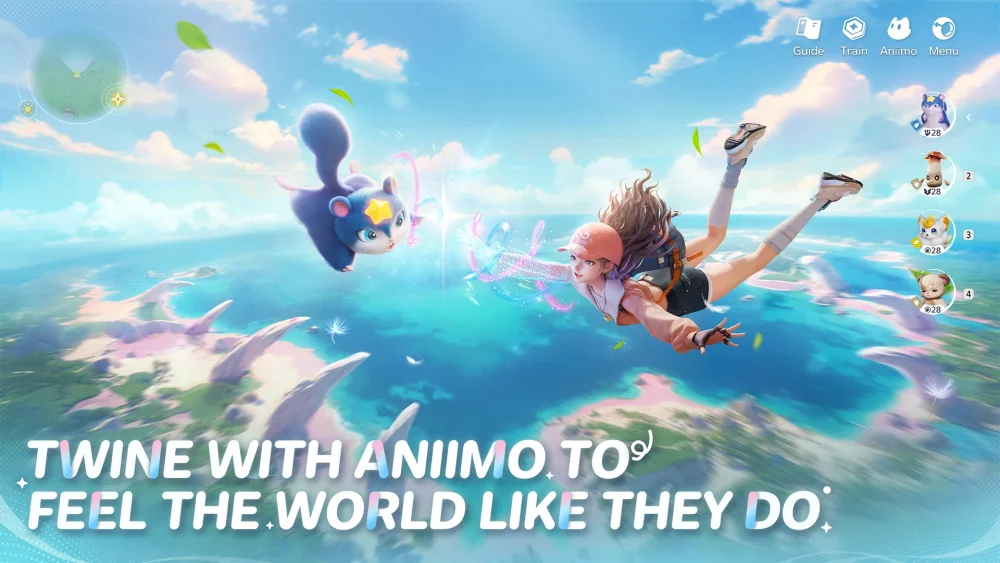
Understanding the design philosophy behind Aniimo allows players to anticipate how creature aesthetics and mechanics interact within the open-world environment. By examining the visual language of the creatures and comparing them to established genre conventions, players can gain a clearer perspective on the technical execution and stylistic direction of the game. This guide highlights what to look for when evaluating creature designs and how these choices impact the overall feel of the world.
Analyzing Creature Aesthetic Choices
The visual identity of creatures in Aniimo focuses on distinct silhouettes and expressive animation loops. When evaluating these designs, look for how specific creature traits—such as color palettes and physical features—communicate their elemental affinities and roles within the ecosystem. These design choices are intended to make each creature feel unique while ensuring they remain readable during fast-paced exploration or combat encounters.
Key Elements to Observe in Creature Design
- Silhouette Uniqueness: Notice how the base shapes of creatures differ to prevent visual clutter in the wild.
- Color Coding: Observe how color schemes provide intuitive clues about creature types and potential environmental habitats.
- Animation Personality: Pay attention to how idle animations and movement cycles reflect the "personality" or temperament of individual creatures.
Genre Inspiration and World Building
Aniimo draws from a lineage of monster-taming games, but it distinguishes itself through its specific approach to world interaction and environmental integration. The developers prioritize a blend of stylized character models and expansive, atmospheric zones. Recognizing these influences helps players understand the intended pacing, as the game emphasizes a balance between collecting, navigating challenging terrain, and utilizing creature-specific abilities to bypass obstacles in the open world.
Assessing Technical Execution and Visual Fidelity
Evaluating how well the game translates its creature designs into a functional world environment is essential for managing expectations. Players should look for consistency in model quality, the fluidity of transitions between locomotion states, and the integration of creature models into the surrounding landscapes.
| Observation Area | What to Look For |
|---|---|
| Model Detail | Consistency of texturing across different creature sizes and types. |
| Environmental Blend | How well creature animations interact with terrain geometry. |
| Interface Synergy | How creature design influences the HUD and player interaction prompts. |
By focusing on these design pillars, you can better appreciate the depth of the world in Aniimo and understand the intentionality behind the game's creature-centric development path.

Free Aniimo Codes
Current active codes and how to redeem them.

Sarah Williams
Sarah specializes in RPG and collection games, explaining team building, character growth, and beginner-friendly ways to avoid expensive early mistakes.
COMMUNITY
Player Comments
66 players commented on this guide.
Can you add more details about strategy in a future update?
I wish I had read this before upgrading the wrong thing.
This helped me understand strategy much better.
The explanation is clear, especially for beginners.