
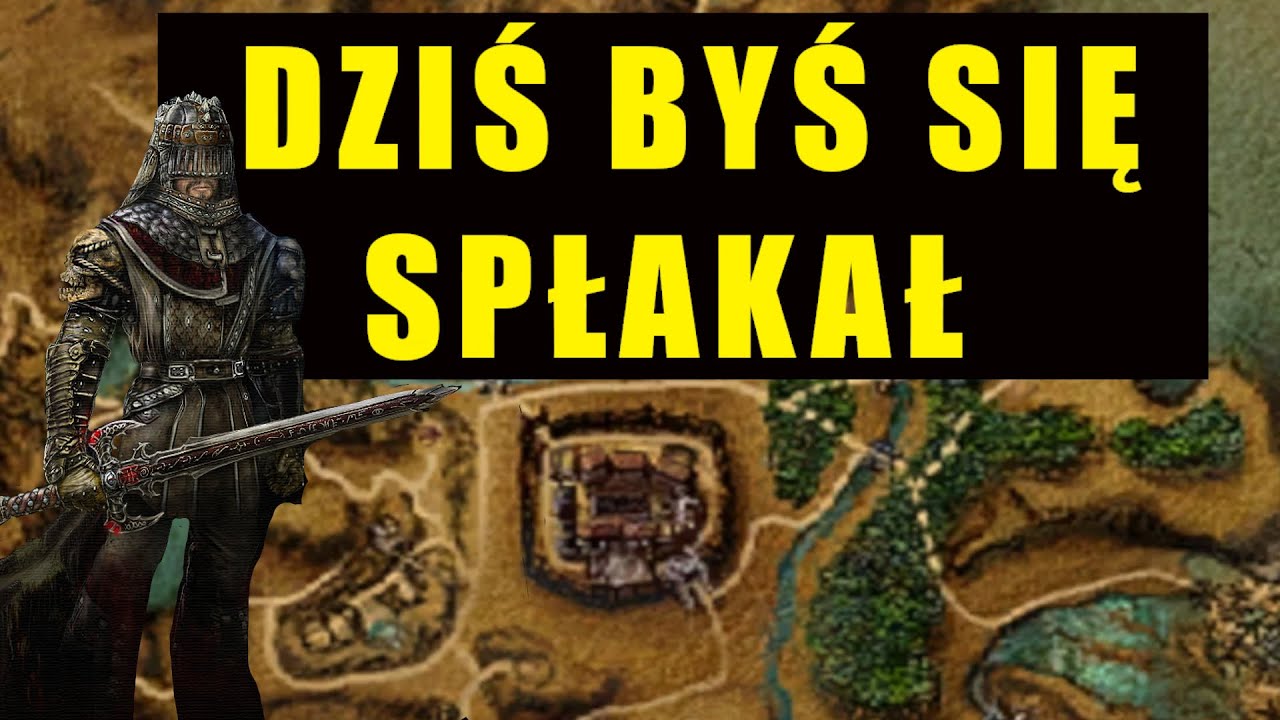
To survive and progress in Gothic Classic, you must adapt to strict NPC daily schedules, unguided environmental navigation, deliberate combat progression, and a tight Ore economy. Success requires observing character routines, isolating single enemies in battle, using dialogue clues instead of quest markers, and reserving your limited currency for character training.
Navigating World Logic and NPC Routines
NPCs in Gothic Classic follow time-based routines rather than standing indefinitely in set locations. Characters sleep, work, eat, and socialize depending on the time of day.
- Merchant Availability: Merchants leave their stalls unattended at night. Visit traders during daylight hours, or find a bed or campfire to sleep until morning if a stall is empty.
- Quest Updates: Key characters may refuse to talk or advance quests while actively working in the mines or performing other scheduled tasks. Wait for them to finish their work shift or return to camp before attempting to talk.
- Landmark Navigation: Gothic Classic does not feature modern quest markers or destination icons. Pay close attention to NPC dialogue, written directions, and physical landmarks to locate your objectives. If you get lost, return to the original information source or re-examine dialogue notes for location details.
Early Combat Strategy and Skill Upgrades
Your character begins Gothic Classic weak, slow, and prone to dying quickly. This deliberate baseline makes early combat a matter of risk management and deliberate skill investment.
- Pull Single Targets: Never charge into groups of wild beasts or hostile NPCs in the early game. Approach slowly, draw the attention of a single target, and pull it away from the group before engaging.
- Learn Attack Animations: Base weapon swings are slow and leave you open to counterattacks. Watch your attack timing carefully rather than button-mashing.
- Upgrade Weapon Skills: Spend your early points on weapon proficiency with trainers. Higher weapon skill levels unlock faster attack combo animations, significantly reducing combat vulnerability.
- Recognize Unwinnable Fights: World progression is non-linear, meaning high-level enemies inhabit areas adjacent to early paths. If an enemy kills you in a single hit or takes negligible damage from your attacks, treat the death as a spatial boundary and return later at a higher level.
Managing Scarcity in the Ore Economy
Ore serves as the main currency within the Barrier, and finding it in large quantities early in the game is difficult. Mismanaging your wealth can leave your character underpowered for upcoming story milestones.
| Spending Priority | Recommended Action | Reason |
|---|---|---|
| High | Attribute & Skill Training | Permanent stat and proficiency increases directly improve combat efficiency. |
| Medium | Essential Weapons & Armor | Better equipment improves survival, but requires stat prerequisites to equip effectively. |
| Low | Non-Essential Items & Goods | Aesthetic or non-functional items deplete your rare Ore reserves without aiding progression. |
Prioritize paying trainers for core strength and combat skills over buying temporary items. Conserve your Ore until you meet the attribute requirements for upgraded weapons and armor.

Free Gothic Classic Codes
Current active codes and how to redeem them.

Emily Johnson
Emily writes practical mobile strategy guides with a focus on resource planning, base progression, and the early decisions that shape a long-term account.
COMMUNITY
Player Comments
160 players commented on this guide.
This guide answered the exact question I had.
Can you add more details about strategy in a future update?
Nice guide. I am checking the other Gothic Classic articles next.
The tips are practical and easy to follow.