
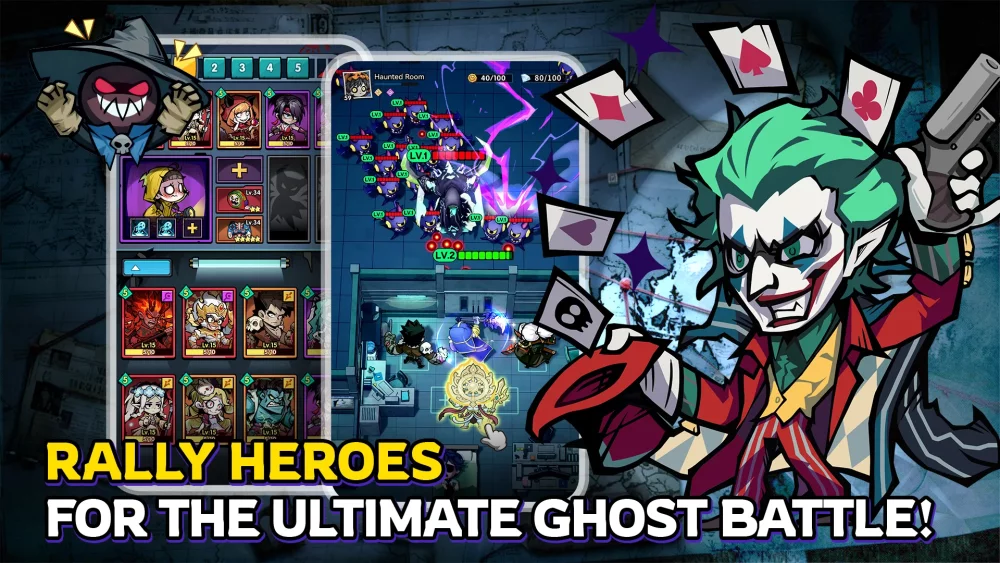
In Knock Knock: Room Defense, your ability to withstand increasingly difficult enemy breaches depends entirely on the strength and synergy of your hero lineup. Gacha systems are the primary engine of your progress, but indiscriminate spending of premium currency is a fast track to stagnation. To succeed, you must move beyond random pulls and adopt a disciplined, high-value approach to roster expansion. This guide breaks down how to execute effective summon streaks, assess unit utility, and balance your resources to ensure your defense remains impenetrable.
The Power of Bulk Summoning
The most common mistake players make in Knock Knock: Room Defense is spending premium currency the moment they earn enough for a single pull. This "trickle-spending" approach rarely leads to meaningful progress and makes it nearly impossible to hit pity milestones or capitalize on banner-specific rates.
Instead, commit to hoarding currency for mass-pull sessions—ideally aiming for 80 or more summons at once. Performing bulk pulls provides several tactical advantages:
- Statistical Consistency: Larger sample sizes help smooth out the RNG inherent in gacha systems, giving you a better chance to land high-rarity units.
- Inventory Synergy: Seeing your new roster members simultaneously allows you to identify immediate skill combinations. You aren't just pulling for power; you are pulling for a cohesive squad.
- Milestone Tracking: By focusing on bulk sessions, you can actively track how close you are to guaranteed SSR or top-tier character rewards, preventing wasted resources on banners where you are nowhere near a "pity" threshold.
Evaluating Hero Utility and Defensive Scaling
Once you have pulled your new roster, do not fall into the trap of simply leveling the highest-rarity units. In Knock Knock: Room Defense, utility is king. A lower-rarity character with an excellent crowd-control (CC) ability or a health-regenerating passive is often more valuable than a high-rarity unit that only provides minor damage buffs.
When assessing your new heroes, categorize them into three core defensive roles:
- Frontline Anchors: Heroes with high health scaling or damage-reduction passives. These are your barricade defenders who need to survive the heaviest hits.
- Lane Controllers: Units with active skills that knock back, stun, or slow enemies. These are vital for managing high-density breaches where your barricade is under heavy fire.
- Support Specialists: Heroes that provide passive buffs to your team’s damage output or resource generation.
Always prioritize upgrading your "Lane Controllers" first. In higher-difficulty stages, the ability to manipulate enemy movement is significantly more valuable than pure DPS, as it buys your barricade the precious seconds it needs to regenerate.
Balancing Gacha Spending with Progression
A common mid-game bottleneck occurs when players pull a top-tier hero but lack the gold and upgrade materials to level them up. The game’s economy is unforgiving; you cannot build a winning team on summons alone.
To maintain a healthy progression curve, follow the "1:2 Ratio Rule": Never spend more than 33% of your total liquid currency on banners unless you have a surplus of upgrade materials. Use the remaining two-thirds of your resources to push through campaign stages, upgrade existing skills, and invest in facility improvements.
Pro-Tip: If you are nearing a wall in the campaign, stop pulling. Use your currency to buy stamina refills or resource-boosting items in the shop. A fully leveled mid-tier hero will always outperform a level-one "meta" unit.
Tactical Deployment and Team Synergy
Even the best heroes will fail if they are positioned poorly. Knock Knock: Room Defense requires you to treat your hero lineup as a puzzle rather than a stat-check. When you acquire new heroes, test them in the "Training Room" or early-stage levels to understand their ability triggers.
- Ability Timing: Some heroes require you to manually activate their skills. For these units, learn to hold your fire until the moment the enemy breaches the first line of your barricade.
- Positional Buffs: Check if your hero has a "Lane Aura." Some units provide defensive bonuses to heroes placed in adjacent slots. If you pull a hero with a defensive aura, make them the centerpiece of your layout.
- Counter-Building: If a specific level features high-speed enemies, rotate in your slow-inducing heroes. Do not be afraid to swap out your "main" squad to better fit the requirements of the specific breach you are facing.
Avoiding Common Gacha Pitfalls
The biggest threat to your account progress is "Meta Chasing." Developers often release new units with flashy skills, but these characters are rarely mandatory for clearing content. Before pulling on a new banner, ask yourself:
- Does this unit fill a gap in my current team?
- Do I have the materials to level them to my current cap immediately?
- Is this hero a "side-grade" (similar to what I have) rather than an "upgrade"?
If the answer to these questions is no, save your currency. The game’s difficulty spikes are designed to test your tactical depth, not just the rarity of your heroes. By maintaining a disciplined approach to your summons and focusing on synergy over raw numbers, you will find that you can clear high-difficulty stages that seem impossible to those who rely purely on luck.
Remember, your best defense is a combination of a well-leveled, utility-focused squad and the strategic patience to wait for the summons that actually matter. Stay focused, manage your upgrades, and keep your barricades standing.

Free Knock Knock: Room Defense Codes
Current active codes and how to redeem them.

Michael Smith
Michael covers live-service games, events, reward systems, and efficient daily routines, turning frequent updates into clear actions for players.
COMMUNITY
Player Comments
61 players commented on this guide.
The explanation is clear, especially for beginners.
I wish I had read this before upgrading the wrong thing.
Nice guide. I am checking the other Knock Knock: Room Defense articles next.
Can you add more details about heroes in a future update?