
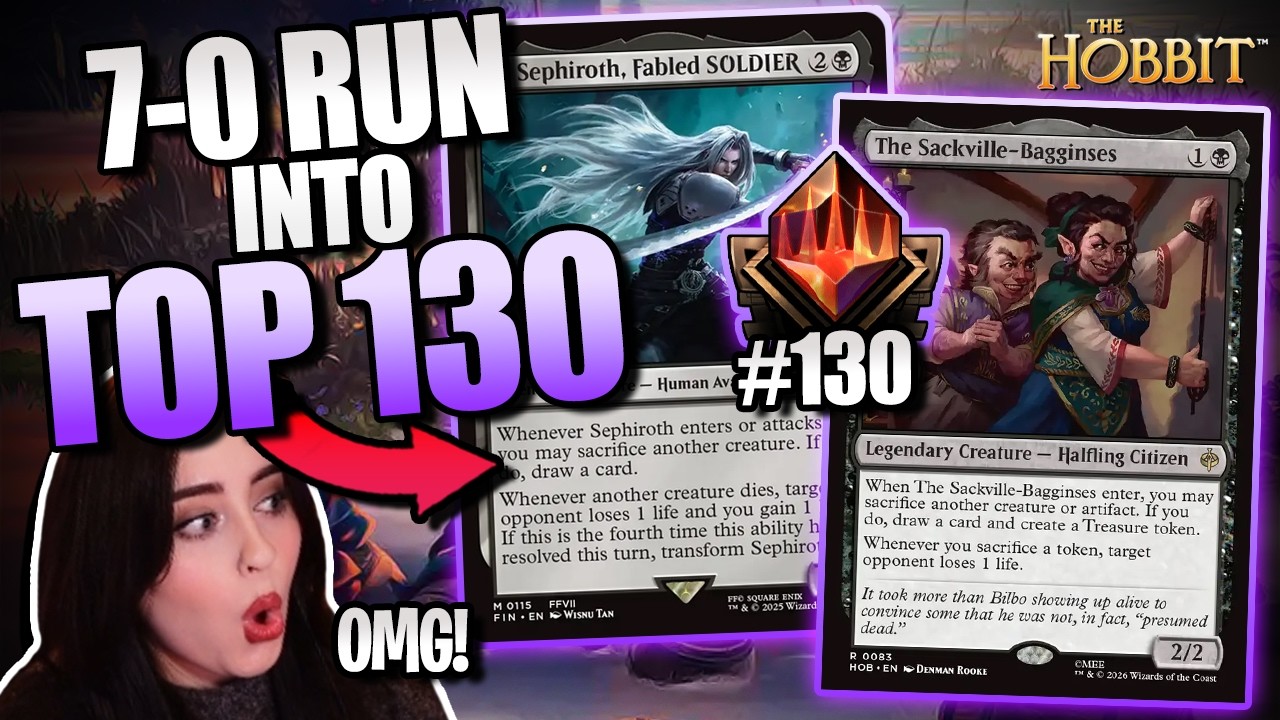
In Magic: The Gathering Arena, the Orzhov (White/Black) Sacrifice archetype is a masterclass in resource conversion. By treating your own creatures as fuel rather than just combatants, you can bypass traditional board stalls and force your opponent into unfavorable trades. When piloted correctly, Orzhov Sacrifice turns the death of your board into a win condition, consistently draining your opponent’s health while maintaining a resilient, recurring presence.
The Engine: Mastering The Sackville-Bagginses
The introduction of cards like The Sackville-Bagginses has revitalized the Orzhov Sacrifice strategy in the current Magic: The Gathering Arena Standard meta. This card acts as a focal point for your deck, allowing you to weaponize your board state.
To use this card effectively, you must understand that it isn't just a removal tool—it is a value multiplier. When you sacrifice a creature to trigger its ability, you aren't just losing a body; you are extracting a resource.
- Proactive vs. Reactive: Don’t wait for your opponent to point removal at your best creatures. If you have a low-impact token or a creature that has already provided value, use The Sackville-Bagginses to strip your opponent’s board early.
- Forcing Blocks: Use the threat of sacrifice to force your opponent into "no-win" scenarios. If you can force them to block in a way that allows you to sacrifice your creature before combat damage resolves, you effectively deny them the satisfaction of the kill while still triggering your own death effects.
Maximizing Death Triggers and Value Loops
The core philosophy of Orzhov Sacrifice is simple: "Death is just another resource." Every creature in your deck should ideally have a secondary function that activates when it hits the graveyard.
The Art of Trigger Stacking
In Magic: The Gathering Arena, the order in which your triggers resolve is critical. If you have multiple "whenever a creature dies" effects, you must manually stack them to ensure optimal results.
- Drain Effects First: Always stack your direct life-loss triggers (like Blood Artist variants) to resolve first. This can finish off an opponent before they have a chance to stabilize.
- Card Draw Last: If you have effects that draw cards upon a death, put these at the bottom of the stack. You want to see if your drain effects have ended the game before you burn through your deck.
By sequencing your triggers, you ensure that you don't over-commit resources. If the first two triggers kill the opponent, you save your additional card-draw resources for the next turn.
Navigating Early Game Resource Management
Early game success in Magic: The Gathering Arena often comes down to mana efficiency. Orzhov Sacrifice is a low-to-the-ground deck. Your goal in the first three turns is to establish a "value foundation."
- Prioritize Sticky Threats: Play creatures that create tokens upon entering the battlefield. These provide you with multiple bodies for the price of one card, giving you more "fuel" for your sacrifice outlets.
- The Hand-to-Board Balance: A common mistake new players make is dumping their entire hand onto the board. Against decks running board wipes (like Sunfall or Deadly Cover-Up), you must hold back. Keep one or two threats in your hand at all times so that if your board is wiped, you can immediately begin rebuilding your engine on the following turn.
Overcoming Counters: When the Engine Stalls
No archetype is invincible. Orzhov Sacrifice can struggle against decks that utilize heavy graveyard hate, such as Rest in Peace or cards that exile creatures instead of destroying them.
Adapting to Opposition
If your opponent is exiling your creatures, your "death triggers" will never see the light of day. In these matchups:
- Shift to Aggro: Stop trying to build a loop. Instead, use your creatures as traditional attackers. If your opponent is holding up mana for exile effects, force them to use it on your smaller threats, clearing the way for your higher-value creatures to land safely.
- Identify the Pivot Point: Recognizing when your opponent has "hated out" your graveyard is the mark of a skilled player. If you see them playing heavy exile effects, pivot your playstyle from a "value engine" to a "tempo-aggro" strategy.
Mid-Game Dominance and Closing the Match
As the game moves into the mid-game, your objective shifts from attrition to lethal pressure. Many players make the mistake of playing too conservatively. Once you have a board presence, look for the "combo off" turn.
This usually involves a chain of sacrifices that triggers enough life drain to force a concession. Use your utility lands—such as those that provide scrying or additional life gain—to dig for your final sacrifice outlet if you are missing that one piece of the puzzle.
Common Mistakes to Avoid
- Over-sacrificing: Never sacrifice your entire board unless you have a clear path to victory. If you trade your whole board for a temporary advantage, you leave yourself wide open to a single top-decked threat from your opponent.
- Neglecting Mana Tapping: Magic: The Gathering Arena can be unforgiving with manual tap controls. Ensure you are tapping your mana efficiently so that you leave open enough mana to trigger your sacrifice outlets in response to your opponent’s spells.
- Tunnel Vision: Don't focus so hard on the "combo" that you ignore the board state. If you need to trade creatures in combat to keep your opponent from killing you, do it. The best sacrifice deck is one that balances board control with engine value.
By mastering these mechanics and learning to adapt your strategy based on the opponent's deck, you will find that Orzhov Sacrifice is one of the most rewarding and resilient archetypes in Magic: The Gathering Arena. Focus on the triggers, protect your engines, and never be afraid to let your creatures die for the cause.

Free Magic: The Gathering Arena Codes
Current active codes and how to redeem them.

James Brown
James focuses on Android gaming on PC, emulator setup, controls, performance tuning, and practical troubleshooting for longer play sessions.
COMMUNITY
Player Comments
40 players commented on this guide.
This helped me understand strategy much better.
Good guide for Magic: The Gathering Arena players. The strategy part was useful.
Can you add more details about strategy in a future update?
I tried this today and it worked better than my old setup.