
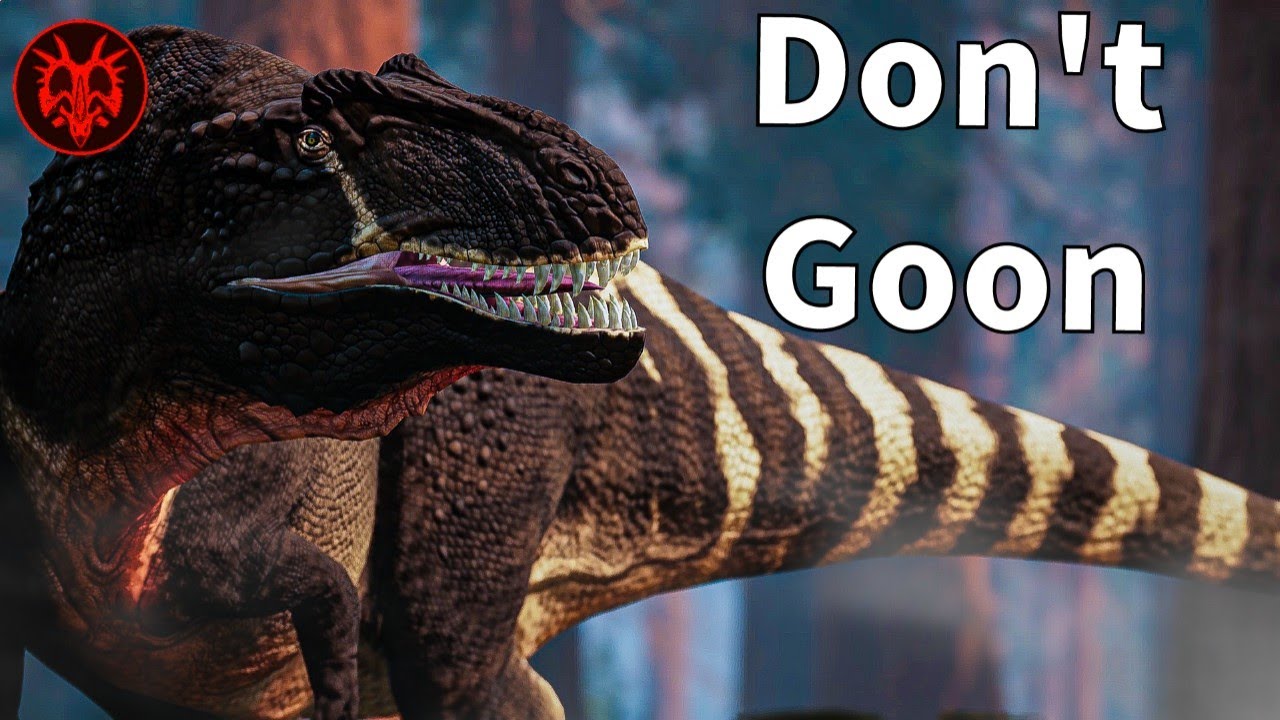
Winning combat encounters in Path of Titans depends on stamina discipline, spacing, and terrain control rather than trading raw damage. To consistently survive and win player-versus-player fights, enter clashes with a full stamina pool, bait out heavy attacks during opponent recovery windows, exploit turn radiuses to attack unprotected flanks, and use physical obstacles to prevent enemy packs from surrounding you.
Manage Stamina and Movement Discipline
Stamina conservation is the primary survival check in any encounter. Running completely out of stamina removes your ability to sprint, jump, or execute stamina-costing attacks, leaving you vulnerable to status effects such as bleed and bone break.
- Trot between destinations: Never sprint directly into active questing zones or hotspots. Skilled players trot while traveling so they arrive at potential skirmishes with 100 percent of their stamina bar intact.
- Sprint in controlled bursts: During an active exchange, use sprint only to close the final distance for an unavoidable strike, execute a charged attack, or step outside the arc of a counter-attack.
- Maintain an emergency reserve: Keep at least 20 to 30 percent of your stamina pool available at all times. If a fight deteriorates, this reserve guarantees you can disengage or dodge critical debuffs.
Bait Attacks and Exploit Turn Radiuses
Trading hits head-to-head against heavier species leads to rapid defeat. Combat spacing allows lighter or more agile dinosaurs to force misses and punish recovery animations.
By sprinting toward an enemy's flank and sharply veering away just before reaching striking distance, you can bait primary bites or heavy tail attacks. Because attacks trigger brief animation recovery windows, a whiffed strike prevents your opponent from immediately retaliating, leaving a clean opening for a counter-hit.
Every species possesses a distinct turning radius. Large carnivores and heavily armored herbivores turn slowly while moving forward. Engaging precise turn mode or cutting tight circular angles allows you to reach the rear hips of an opponent. Staying behind an enemy's flanks—often called tail-riding—allows you to apply consistent damage while remaining outside their frontal bite arc.
| Combat Phase | Novice Mistake | Skilled Action |
|---|---|---|
| Approach | Sprinting full speed into combat zones | Trotting to maintain maximum stamina |
| Exchange | Face-tanking incoming headbites | Baiting misses to punish recovery windows |
| Footwork | Turning wide in open space | Using precise turn mode to ride flanks |
| Positioning | Fighting in flat, open clearings | Backing against cliffs or holding high ground |
| Sound Control | Roaring during or after combat | Staying silent and crouching to track audio |
| Disengagement | Running blindly in a straight line | Breaking line of sight before resting |
Use Terrain and Elevation for Defense
Fighting in flat, open clearings favors packs and species with superior top speeds. Effective fighters actively anchor themselves near environmental structures to limit incoming attack angles.
- Anchor against obstacles: When outnumbered or fighting a species with a tighter turning circle, back your dinosaur's tail against a boulder or cliff face. This eliminates the risk of being flanked or tail-ridden, forcing opponents into your frontal attack cone.
- Secure the high ground: Position your dinosaur slightly higher on a slope or rocky ledge. Elevation raises your hitbox above low sweeps and standard body bites while directing your downward strikes into the opponent's head, which registers higher damage than body hits.
- Utilize chokepoints: Narrow ravines and steep drops restrict enemy movement and provide agile or jumping species with clear disengagement routes that apex predators cannot follow.
Practice Audio Tracking and Noise Discipline
Sound cues provide critical combat information before visual contact occurs. Listening for distinct audio reveals incoming apex footsteps, water splashing from semi-aquatics, bush rustling, and quest-item interactions.
Noise discipline protects you from being ambushed or third-partied by opportunistic scavengers:
- Silence all calls: Never broadcast, chirp, or use victory roars after securing a kill. Roars project across several map coordinates, signaling your exact position and wounded state to nearby carnivores.
- Crouch-walk for ambushes: When approaching targets or stalking prey, crouch-walking substantially mutes your footstep audio, allowing you to close distance before the target can react.
- Break line of sight before resting: When disengaging due to low health or heavy bleed stacks, do not sprint in a straight line. Curve around terrain, break visual contact using dense foliage or cliffs, and change your travel direction before sitting or sleeping to regenerate health safely.
Respect Combat Weight Disparities
Combat weight directly scales damage dealt and received in Path of Titans. Attacking a dinosaur with significantly higher combat weight head-on causes your strikes to deal minimal damage while exposing you to massive return strikes.
When facing an opponent in a heavier weight class, adopt hit-and-run bleed tactics to whittle down their health over time. When playing the heavier dinosaur, hold defensive ground near natural barriers and force lighter attackers to approach your frontal hitboxes.
Free Path of Titans Codes
Current active codes and how to redeem them.

James Brown
James focuses on Android gaming on PC, emulator setup, controls, performance tuning, and practical troubleshooting for longer play sessions.
COMMUNITY
Player Comments
35 players commented on this guide.
I tried this today and it worked better than my old setup.
I wish I had read this before upgrading the wrong thing.
This saved me time in the early game.
This guide answered the exact question I had.