
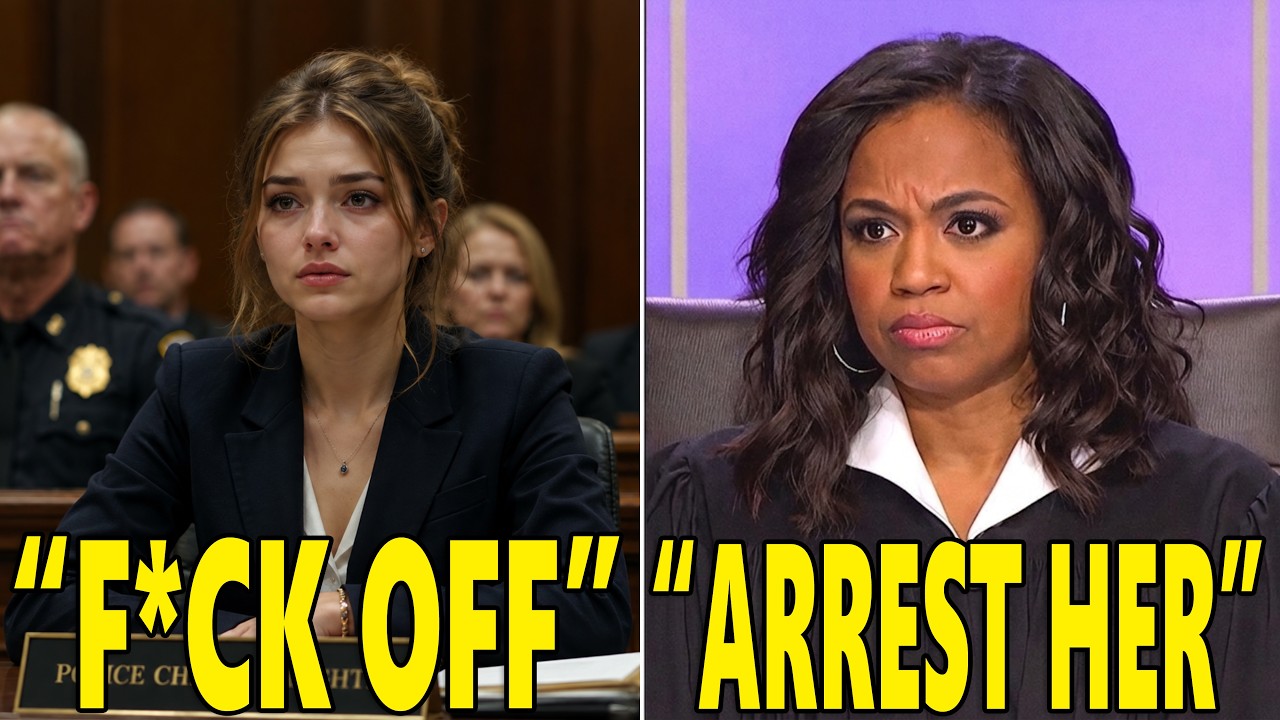
In Police Chief, the courtroom is not merely a background element; it is a high-stakes arena where your managerial decisions face their ultimate test. Managing the conduct of individuals associated with your department—or those under your jurisdiction—is a core leadership responsibility. When a high-profile case involves family members of staff or key political figures, failing to ensure proper decorum before a judge can trigger severe sentencing multipliers. This guide explores the mechanics of judicial interactions, how to mitigate the risks of volatile defendants, and how to safeguard your precinct’s reputation against the fallout of courtroom scandals.
The Mechanics of Judicial Sentiment in Police Chief
In Police Chief, the court system operates on a "Behavioral Sentiment" engine. While your primary gameplay loop involves policing and resource management, the legal phase acts as the final resolution layer. Judges in the game are not passive observers; they react dynamically to the attitude and demeanor of the defendant.
When a defendant—especially one linked to your department—displays disrespect toward the bench, the game triggers a "Contempt Multiplier." This hidden mechanic bypasses standard sentencing guidelines, often resulting in maximum penalties. For a player, this means you must treat a defendant's attitude as a critical gameplay variable. If a defendant is marked with a "volatile" or "defiant" trait, the probability of a standard sentence decreases, while the probability of a "shocking" or "maximum" sentence increases exponentially. Understanding that this is a mathematical trigger rather than a random narrative event is the first step toward effective legal management.
Assessing and Mitigating High-Profile Risks
High-profile defendants bring elevated scrutiny from the media and the public. A scandal involving the family of a staff member can create a negative feedback loop that impacts your overall "Precinct Trust" meter. To prevent these scenarios, you must utilize the pre-trial phase for risk assessment.
Pre-Trial Risk Management Checklist:
- Behavioral Profiling: Before a hearing, inspect the defendant’s file. Look for personality traits such as "Arrogant," "Hostile," or "Impulsive." These traits are primary indicators of potential courtroom outbursts.
- Advisory Intervention: If you have the option to interact with the defendant before the trial, utilize "Counseling" or "Legal Prep" actions. These consume action points but act as a buffer against negative attitude traits.
- Public Relations Buffer: If a high-profile case is inevitable, launch a "Departmental Transparency" campaign via your PR menu. This helps mitigate the loss of trust if the trial goes poorly.
- Monitor Judicial Sentiment: During the hearing, watch the judge's portrait and dialogue cues. If the judge begins to display visible frustration, the window to influence the outcome is effectively closed.
Navigating Judicial Authority and Sentencing Limits
The judge's authority in Police Chief is absolute. Once a trial enters the sentencing phase, your ability to influence the court is removed. If a defendant insults the judge, the system locks into a "Punitive Ruling" state.
It is vital for players to recognize that the game is designed to punish arrogance. If the defendant is a family member of an officer, the judge may view this as an attempt to influence the law through nepotism, leading to an even harsher sentence to "make an example" of the individual. Players often make the mistake of waiting for the trial to see how things play out; however, in Police Chief, the "trial" is won or lost in the management of the defendant’s personality long before they step into the courtroom. Once the gavel falls, there are no "undo" buttons.
Protecting Your Precinct’s Reputation After a Scandal
If a high-profile defendant fails to maintain decorum and receives a harsh sentence, the resulting scandal can lead to a drop in recruitment rates, decreased officer morale, and political interference from city hall. To recover, you must follow a disciplined damage-control protocol.
Post-Trial Recovery Strategies:
- Issue a Formal Statement: Immediately distance the department from the individual’s personal actions. Do not defend the behavior; defend the process.
- Conduct Internal Reviews: Use the "Internal Affairs" menu to investigate if any departmental protocols were bypassed. Demonstrating that you are "investigating the incident" signals to the game’s public and political sectors that you are proactive.
- Reinforce Standards: Host a staff briefing. This acts as a morale boost and a gameplay reminder that unprofessional conduct by anyone associated with the precinct will not be tolerated.
- Monitor the Media Tab: Keep a close eye on your media coverage. If a negative narrative persists, prioritize "Community Outreach" tasks to bury the story under positive news about your crime-fighting achievements.
Strategic Decisions: When to Intervene
One of the most difficult decisions in Police Chief is determining when to pull strings for a high-profile case and when to let the law take its course. Intervention is a limited resource. Using your political capital to shield a reckless individual often results in a net negative, as the public backlash to "interference" is often more damaging than the sentencing itself.
When to Intervene:
- Clear Misunderstandings: If the defendant is being unfairly targeted due to a clerical error in the file, use your influence to correct the record.
- High-Value Assets: If the defendant is a critical staff member whose absence would cripple your precinct’s daily operations, the risk of intervention may be worth it.
When to Let It Go:
- Evidence of Guilt: If the evidence against the defendant is overwhelming, any attempt to intervene will likely backfire and result in a "Corruption Scandal" debuff.
- Public Perception: If your current "Precinct Trust" is below 50%, avoid any involvement in high-profile legal issues. The risk of losing the remaining trust is too high.
By approaching each high-profile case as a strategic management challenge rather than a narrative event, you can maintain control over your precinct’s future. Treat courtroom decorum as a reflection of your leadership; by prioritizing professionalism and accountability, you ensure that even the most volatile legal situations do not threaten your authority as the Police Chief.

Free Police Chief Codes
Current active codes and how to redeem them.

Michael Smith
Michael covers live-service games, events, reward systems, and efficient daily routines, turning frequent updates into clear actions for players.
COMMUNITY
Player Comments
47 players commented on this guide.
This saved me time in the early game.
The tips are practical and easy to follow.
Can you add more details about updates in a future update?
Nice guide. I am checking the other Police Chief articles next.