
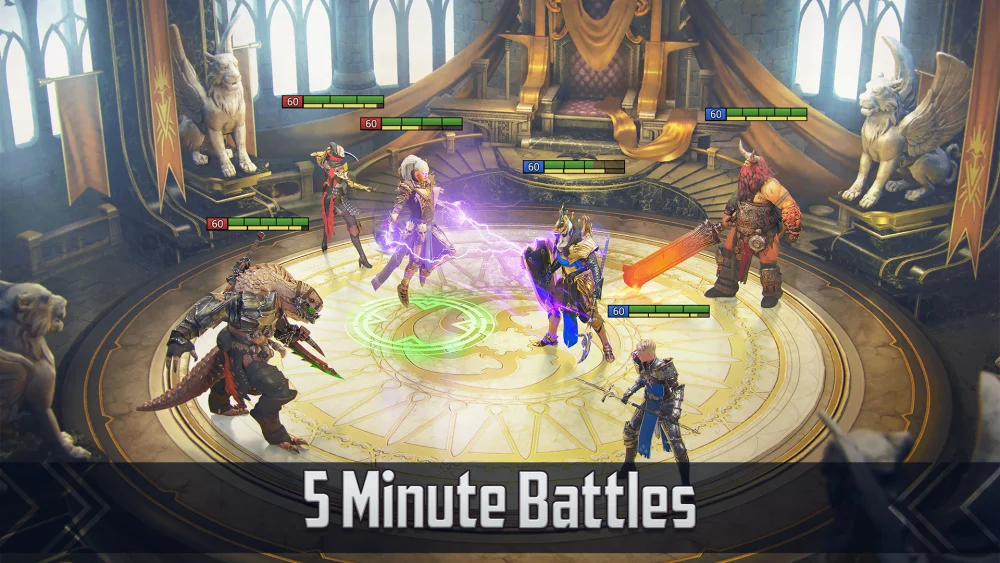
For players in RAID: Shadow Legends, Silver is the lifeblood of account progression. It is required for everything from crafting gear to ascending champions, but nowhere is it burned faster than during Artifact Enhancement events. If you find yourself constantly running out of currency before hitting the top-tier rewards, you aren't alone. The secret to mastering these events isn't just about having a large stockpile; it’s about strategic timing, disciplined spending, and understanding the hidden mechanics of the upgrade system.
The Golden Rule: Only Upgrade During Events
The most common mistake players make is upgrading gear whenever they feel like it. In RAID: Shadow Legends, Silver is a finite resource. If you level up artifacts outside of an active Artifact Enhancement event, you are essentially "wasting" the potential points those upgrades could have earned you.
Unless you are preparing a champion for an immediate Clan Boss run or a critical Arena push, hold all your gear upgrades until an event is live. By consolidating your necessary maintenance into these event windows, you turn the cost of doing business into a source of free energy, gems, Shards, and legendary books. Treat every piece of gear as an investment that must pay dividends twice: first in stats for your champion, and second in progress toward event milestones.
The Mathematics of the Upgrade Curve
Understanding the cost-to-reward ratio is vital for preventing bankruptcy. The Silver cost for upgrading an artifact does not scale linearly; it scales exponentially as you approach level 16.
- Levels 1–8: These are the "budget-friendly" levels. They provide the most points per Silver spent and are essential for hitting early-to-mid-tier milestones.
- Levels 9–12: The cost begins to climb noticeably. This is the "sweet spot" for many mid-game players who need to upgrade multiple pieces of gear to reach the middle rewards.
- Levels 13–16: This is where the risk of "failure" (Silver consumed without a successful level-up) increases.
Pro Tip: If you are short on Silver, prioritize taking ten pieces of gear from level 12 to 16 rather than trying to force a single piece to 16 while failing repeatedly. The "Auto-Upgrade" feature is convenient, but it can be dangerous. Always keep an eye on your Silver balance while it is running; if you hit a "dry spell" where the game fails to upgrade your gear for several attempts, stop the auto-upgrade, exit the menu, and try again later. It’s a superstition among veteran players, but it helps prevent "tilt-spending."
Inventory Cleanup: The Hidden Revenue Stream
You cannot win an Artifact Enhancement event if you are farming for Silver in the Campaign while the event is ending. You need a pre-existing "bank" of Silver. The most efficient way to generate this is through a systematic inventory audit.
Most players hoard far too much gear. Go through your artifacts and purge the following:
- Flat Main Stats: Any Gauntlets, Chests, or Boots with flat HP, ATK, or DEF (unless they are Speed boots) should be sold immediately.
- Low-Rank Gear: If you are in the mid-to-late game, stop hoarding 3-star or 4-star gear. It will never be used.
- Failed Sub-stat Rolls: If you have an artifact that rolled poorly on sub-stats three times, sell it. Do not keep it "just in case."
Selling this "trash" gear generates a massive influx of Silver that can be immediately reinvested into your core gear sets. Making this a weekly habit ensures that when an event drops, you already have the capital required to push your champions to the next level.
Strategic "Staging" for Future Events
One of the most advanced strategies used by free-to-play (F2P) experts is "staging" artifacts. This involves taking gear to level 11 or level 15 outside of an event, then leaving them there.
When the event starts, you only need one or two successful rolls to push those items to level 12 or 16. This allows you to claim massive amounts of event points in seconds, which is incredibly useful for hitting the final milestone in a short-duration tournament. This method requires extreme discipline, as you are essentially "locking away" your Silver, but it guarantees that you can complete events with minimal active effort when the time comes.
Knowing When to Stop
There is a point of diminishing returns in every Artifact Enhancement event. If the cost of the final few milestones exceeds your remaining Silver reserves, stop.
In RAID: Shadow Legends, missing out on a few gems or a handful of energy is far less damaging than being unable to upgrade your gear for a new champion or a crucial fusion event. Always prioritize your account's long-term capability over a temporary event reward. If you find yourself consistently failing to hit milestones, it is a sign that your Silver income (from selling gear or farming high-level dungeons like Spider) needs to be optimized before you attempt to clear the next event.
Summary Checklist for Success
- Audit First: Sell all flat-stat and low-rank gear before the event begins.
- Consolidate: Never upgrade outside of an event unless it is mandatory for a champion's immediate usage.
- Level Wide: Prioritize getting many items to level 12 before forcing items to level 16.
- Watch the Auto-Upgrade: Monitor your Silver closely to avoid a "runaway" spend on a stubborn piece of gear.
- Staging: Prepare gear by leveling them to 11 or 15 before the event starts for an easy, high-value boost.
By following this disciplined approach, you turn the Artifact Enhancement event from a stressful resource sink into a predictable, rewarding part of your RAID: Shadow Legends experience. Focus on your long-term growth, manage your inventory with brutal efficiency, and your Silver reserves will remain healthy for every challenge the game throws at you.

Free RAID: Shadow Legends Codes
Current active codes and how to redeem them.

Emily Johnson
Emily writes practical mobile strategy guides with a focus on resource planning, base progression, and the early decisions that shape a long-term account.
COMMUNITY
Player Comments
115 players commented on this guide.
The explanation is clear, especially for beginners.
The tips are practical and easy to follow.
Nice guide. I am checking the other RAID: Shadow Legends articles next.
I tried this today and it worked better than my old setup.