
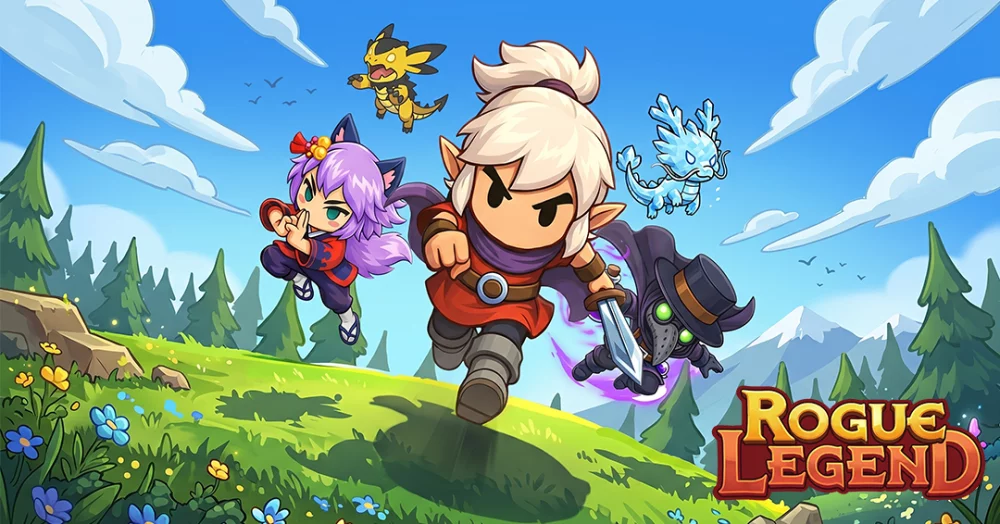
To maximize hero performance during dungeon runs in Rogue Legend, pick level-up rewards that complement your current attack style, choose stat upgrades over redundant active skills, and save reroll resources for mid-to-late dungeon stages. Building a consistent hero loadout requires matching your passive stats, crowd control utility, and active damage modifiers to your hero archetype.
---
Evaluating Skill Selections for Synergy
When clearing a floor and opening a level-up selection window, avoid choosing active skills based on raw damage output alone. Select options that extend the mechanics your hero already relies on:
- Projectile Modifiers: If your hero uses ranged projectiles, prioritize modifiers like bounce or multi-shot to enhance your primary attack without disrupting its rhythm.
- Crowd Control: Prioritize knockback and slow effects to maintain a safe buffer against dense enemy groups. A control skill with a favorable cooldown-to-impact ratio often provides more survival value than a small damage increase.
- Targeting Cohesion: Pass on active skills that conflict with your combat rhythm or force inefficient positioning unless your loadout lacks basic crowd clear.
| Upgrade Focus | Key Modifiers | Optimal Usage Scenario |
|---|---|---|
| Attack Extension | Bounce, Multi-shot | Upgrading hero kits focused on ranged projectiles |
| Crowd Control | Knockback, Slow | Creating defensive buffers against fast enemy waves |
| Damage Scaling | Attack Speed, Crit Chance, Crit Damage | Amplifying a fully established active skill set |
| Survival & Mobility | Movement Speed, Damage Reduction, Health Regen | Compensating for arena hazards or low mobility |
| Force Multipliers | Lifesteal on Hit, On-Hit Shields | Sustaining specialized builds (e.g., melee) without pickups |
---
When to Prioritize Stat Boosts Over Active Skills
Passive stats dictate how reliably your hero performs in the later floors of a run. Active skills establish attack styles, but passives supply baseline scaling.
- Assess Kit Cohesion: If your active skills already cover target clear and area management, choose passive stat boosts over adding another active skill.
- Target Core Offense: Prioritize attack speed, critical hit chance, and critical damage to scale your primary damage sources evenly.
- Cover Defensive Weaknesses: Pick movement speed buffs if your hero lacks mobility, preventing damage from area-of-effect attacks. Select damage reduction or health regeneration upgrades when low health margins threaten your run.
---
Managing Reroll Resources
Rerolls allow you to bypass unwanted skill offerings, but spending them early reduces your control over critical late-game picks.
- Save Rerolls Early: Avoid using rerolls on early floors where you still have multiple level-up windows to find matching options.
- Hunt for Force Multipliers: Save rerolls for mid-to-late floors to target skills that bridge your primary damage engine with survivability.
- Create Self-Sustaining Loops: For close-range or melee builds, use rerolls to secure lifesteal or shields triggered on hit. This creates a feedback loop that lowers reliance on health pickups.
---
Preparing Build Strategy for Boss Encounters
Boss rooms present strict single-target damage and movement demands compared to regular mob clearing floors.
- Pivot to Burst and Shred: In the final level-up windows before a boss floor, prioritize single-target burst abilities or armor-shredding effects if your loadout focuses heavily on mob clearing.
- Invest in Utility: If the upcoming boss arena is tight or cluttered with hazards, select movement speed and dash passives to maintain positioning while outputting damage.
Free Rogue Legend Codes
Current active codes and how to redeem them.

Sarah Williams
Sarah specializes in RPG and collection games, explaining team building, character growth, and beginner-friendly ways to avoid expensive early mistakes.
COMMUNITY
Player Comments
95 players commented on this guide.
I wish I had read this before upgrading the wrong thing.
The explanation is clear, especially for beginners.
The tips are practical and easy to follow.
This saved me time in the early game.