
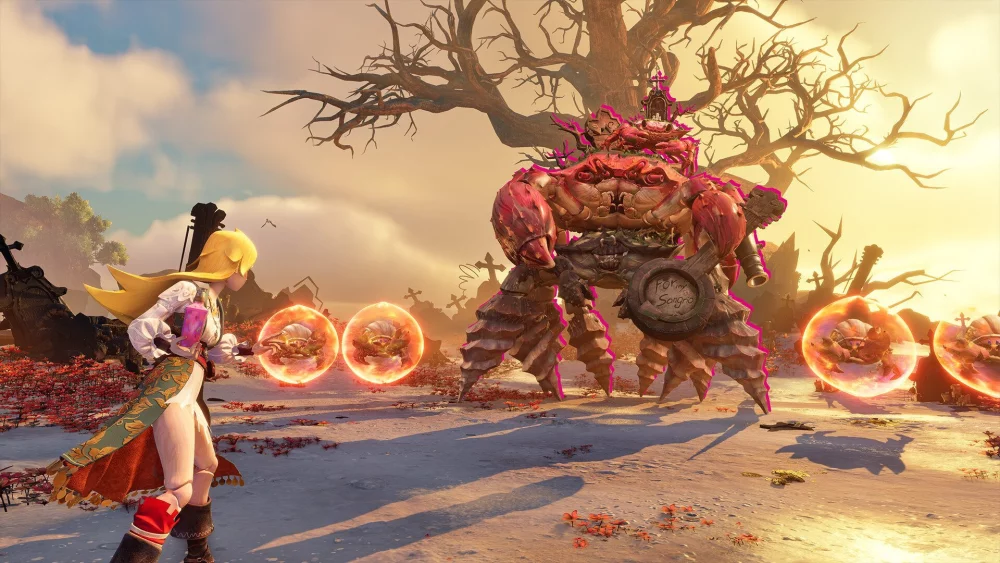
In Sea of Remnants, the opening hours are intentionally punishing. You begin as a blank slate—a character without identity, combat expertise, or basic protection. Unlike traditional RPGs where you start with a class or a base set of tools, Sea of Remnants demands that you build your character from the ground up through a process of systemic reclamation. To transition from a defenseless wanderer into a master of the world’s unique, puppet-inspired landscape, you must synchronize your narrative progression with your mechanical survival.
The Vital Importance of Memory Reconstruction
Memory fragments in Sea of Remnants are not mere narrative collectibles; they are the primary "skill tree" of the game. Because your character lacks a defined history, these fragments serve as the catalyst for unlocking combat capabilities, interaction permissions, and environmental navigation.
Why Memory Fragments Matter
- Skill Unlocks: Many advanced moves—such as specialized evasive maneuvers or critical strikes—are locked behind your character's ability to "remember" their former self.
- Environmental Access: Certain world segments are gated by knowledge. If you lack the specific memory required to understand a machine or a door, you simply cannot pass.
- Combat Buffs: Recovering memories often provides passive stat boosts, such as increased stamina or faster recovery times, which are essential for surviving the higher-tier puppet foes.
Expert Tip: Always prioritize memory nodes over secondary loot. If you find yourself hitting a wall in terms of difficulty, it is rarely a sign that you need to "grind" levels in the traditional sense; it is almost always a sign that you have missed a memory fragment in a previous zone.
Tactical Salvage: Building Your Modular Arsenal
Because you start with nothing, your survival hinges on your ability to scavenge the "remnants" of the world. The gear system in Sea of Remnants is modular, meaning you rarely find complete sets of armor or weapons. Instead, you collect components that must be integrated into your base frame.
The Salvage Loop Strategy
- Prioritize Defensive Components: In the early game, raw damage output is secondary to survivability. Look for modular plating or joint reinforcements that increase your durability.
- Monitor Durability Cycles: Your gear is fragile. Always carry a surplus of basic salvage materials to conduct field repairs. Losing a piece of equipment mid-combat often results in a rapid death, as your base character stats are insufficient to survive without augmentation.
- Evaluate vs. Replace: Do not hoard low-tier gear. Because inventory space is constrained, evaluate every salvage piece immediately. If it doesn’t provide a tangible upgrade to your current loadout, scrap it for repair components.
Navigating the Puppet-Themed World
The game’s aesthetic—a haunting, stylized puppet world—is deeply tied to its core physics and movement mechanics. Understanding the "puppet" nature of your character is vital to mastering the game’s combat and exploration.
Understanding Physical Constraints
Your character does not move with the fluidity of a standard human hero. The movement is deliberate, slightly rigid, and governed by weight distribution.
- The Weight Penalty: Carrying too much salvage will cause your movement to become sluggish, making you a prime target for enemies. Maintain a "light" loadout when scouting new territory.
- Managing Momentum: Combat encounters often require you to commit to movements. If you initiate a strike, you are locked into that animation. Use the environments' verticality to your advantage; the puppet-like movement allows for unique climbing and traversal mechanics that enemies often struggle to track.
Strategic Progression: The "Recover-Then-Advance" Loop
One of the most common mistakes newcomers make in Sea of Remnants is pushing too far into the unknown. The game is designed to funnel players through specific memory-gating milestones.
Rules for Safe Exploration
- The Two-Node Rule: Never enter a high-difficulty region until you have successfully recovered at least two memory nodes. These nodes provide the mechanical safety net required to handle the increased enemy density in later sectors.
- Establish "Safe Hubs": As you move through the map, identify zones where enemies do not respawn or are easily avoided. These are your staging grounds. Use these hubs to process memory fragments and perform major equipment overhauls.
- Retracing is Essential: If you encounter a boss or a traversal obstacle that feels "unfair" or impossible, stop. Return to the previous map sector. There is a high probability that a critical memory fragment or a unique gear component is hidden in an area you previously explored but were not "equipped" to understand at the time.
Common Mistakes and How to Avoid Them
- Ignoring Durability: Players often focus on finding "better" gear while ignoring the fact that their current gear is at 10% durability. Always keep a buffer of repair scrap.
- Treating Narrative as Optional: In many games, you can ignore the story and still reach the endgame. In Sea of Remnants, the story is the progression. Ignoring memory fragments will leave your character mechanically stunted.
- Over-Extending: The world is vast, and curiosity is rewarded, but dying far from a save point results in the loss of significant salvage. Know when to turn back and bank your progress.
Conclusion: Mastering the Remnants
Success in Sea of Remnants is defined by your patience and your commitment to the recovery loop. By treating your memory as a progression tier and your gear as a modular puzzle to be solved, you take control of the game’s pacing. Don't be discouraged by the initial sense of vulnerability; it is a design choice intended to make the moment you regain your first major memory fragment feel like a true power spike. Keep your gear repaired, your memories documented, and your movements calculated, and you will effectively conquer the ruins of this unique, haunting world.

Free Sea of Remnants Codes
Current active codes and how to redeem them.

Sarah Williams
Sarah specializes in RPG and collection games, explaining team building, character growth, and beginner-friendly ways to avoid expensive early mistakes.
COMMUNITY
Player Comments
57 players commented on this guide.
I wish I had read this before upgrading the wrong thing.
The tips are practical and easy to follow.
This saved me time in the early game.
I tried this today and it worked better than my old setup.