
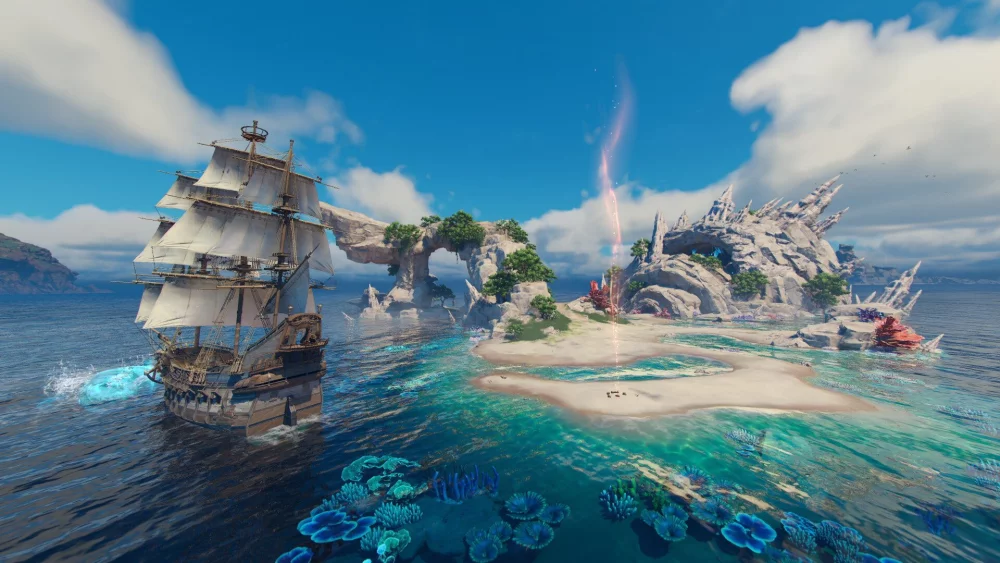
In Sea of Remnants, the ocean is not merely a setting—it is the primary storyteller. To truly master the game, players must pivot away from traditional "rush-to-combat" playstyles and embrace a methodical, investigative approach. The game rewards those who treat every floating ruin and coastal settlement as a piece of a larger, broken puzzle. By focusing on environmental interaction, nuanced NPC engagement, and pacing, you will unlock the hidden history of this post-apocalyptic world and ensure your journey is as rewarding as it is immersive.
Prioritizing Environmental Interaction for Narrative Depth
The brilliance of Sea of Remnants lies in its environmental storytelling. Developers have meticulously crafted the world so that objects, debris, and structural remnants serve as the primary conduits for lore.
When you approach a new site, do not simply scan for loot; scan for history. Interactive items—ranging from rusted navigational tools to water-logged journals—are often the only way to piece together the collapse of the previous civilization.
- Look for Visual Cues: Interactive objects often possess subtle lighting effects or distinct silhouettes against the muted palette of the sea.
- Triggering Narrative Sequences: Many items trigger short, atmospheric animations or character monologues that provide critical context. These are not just "flavor text"; they often hint at the dangers or resources found in the immediate vicinity.
- The "Remnant" Philosophy: Treat the environment as a witness. If a structure shows signs of structural failure from a specific direction, that is a clue about the oceanic currents or threats that caused the collapse.
Engaging with NPCs: Unlocking the Social Fabric
In Sea of Remnants, NPCs are not just quest kiosks; they are the inhabitants of a dying world, and their dialogues are the keys to understanding your own survival. Many players make the mistake of clicking through dialogue trees to reach the "Accept Quest" button. This is a critical error in this game.
How to Maximize NPC Engagement:
- Seek Out Peripheral Characters: The most impactful lore is rarely found in the main hub's central NPCs. Look for characters in the docks, the outskirts of settlements, or those performing maintenance tasks. They often offer the most authentic perspective on the world’s daily struggle.
- Explore Branching Questions: When a dialogue option appears, prioritize questions that focus on "The Past," "The Sea," or "The Remnants." These paths often unlock hidden map markers or lore entries that grant you an advantage in later exploration.
- Cross-Reference Information: What one NPC tells you about a specific current or an anomaly in the water should be compared with what you’ve learned from environmental items. The game’s history is built on conflicting accounts, and uncovering the truth requires you to act as an investigator.
Balancing Exploration Pace with Atmospheric Observation
One of the most common pitfalls in Sea of Remnants is the temptation to treat it like a traditional RPG where speed is essential. Because the game relies heavily on atmosphere and environmental cues, moving too quickly will cause you to miss the subtle audio-visual storytelling that defines the experience.
The "Exploration-First" Strategy:
- Designate Exploration Runs: Dedicate specific sessions to "mapping." In these runs, avoid high-stakes combat whenever possible. Your goal is to traverse a region, clear the map of points of interest, and document NPC locations.
- Manage Your Sensory Intake: The game uses sound design to signal danger or proximity to historical sites. If you are rushing, you will miss the rhythmic clanging of metal or the specific, haunting melodies that play when you are near a significant lore-heavy location.
- Resource Management as a Pacing Tool: Use your ship’s maintenance as a forced pause. When you stop to repair your vessel, use that time to survey the horizon. This natural rhythm prevents the "objective burnout" that often plagues large-scale open-world games.
Utilizing Narrative Fragments as a Personal Guide
As you progress, you will collect "Narrative Fragments." These are not just collectibles for completionists; they are the primary tool for navigation in Sea of Remnants.
When you find a fragment, don't just store it in your inventory. Read the text carefully. Often, these fragments will describe the path of a previous explorer or the location of a sunken relic. By synthesizing this information, you can create a "Knowledge Map."
Why this works:
- Purposeful Travel: Instead of following a linear quest marker, you are following a trail of historical breadcrumbs. This makes every voyage feel like a personal discovery.
- Strategic Advantage: Knowing the history of a zone before you enter it allows you to prepare for specific environmental hazards or the types of Remnants you might encounter.
- Emergent Gameplay: The game’s design encourages you to connect the dots yourself. When you successfully predict where a ruin might be based on a fragment, the payoff is significantly higher than simply walking into a quest marker on a map.
Common Mistakes to Avoid
To maintain your immersion and efficiency, avoid these common player errors:
- Ignoring the Sea: The water is constantly changing. Failing to observe tide patterns or water color changes can lead to unnecessary ship damage. Use these environmental shifts to time your exploration.
- Ignoring "Useless" Dialogue: Don’t assume a conversation is unimportant because it doesn't lead to a reward. The context you gain from a simple conversation might be the difference between understanding an enemy's weakness and failing a boss encounter later.
- Over-relying on the HUD: The game provides a clean interface for a reason. Turn off unnecessary markers if you want to test your observational skills. The game is designed to be navigated by landmarks rather than neon waypoints.
Conclusion: Becoming a Citizen of the Sea
Sea of Remnants is a title that rewards patience and intellectual curiosity. By prioritizing environmental interaction over raw combat, engaging with the world’s inhabitants as if their stories matter, and using your collected knowledge as a navigational compass, you transform from a casual player into an expert of the deep. Take the time to observe the horizon, read the fragments, and listen to the sounds of the ocean; in doing so, you will find that the world of Sea of Remnants is far more vast and interconnected than any quest log could ever tell you.

Free Sea of Remnants Codes
Current active codes and how to redeem them.

Michael Smith
Michael covers live-service games, events, reward systems, and efficient daily routines, turning frequent updates into clear actions for players.
COMMUNITY
Player Comments
68 players commented on this guide.
I wish I had read this before upgrading the wrong thing.
I tried this today and it worked better than my old setup.
This saved me time in the early game.
This guide answered the exact question I had.