
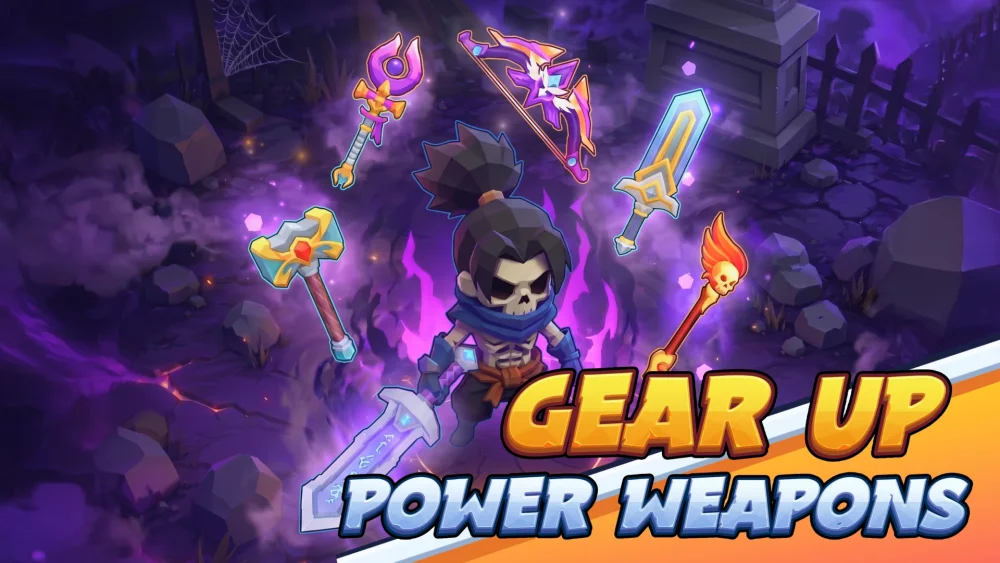
In Skull Hero, the narrative shift from typical "heroic" fantasy to a perspective centered on the demons of the realm changes the way you approach every combat encounter. While the game provides fast-paced, action-focused gameplay, understanding the lore—the tragic fall of the Demon King and the corruption of the human kingdom—is essential for mastering the tactical depth of your progression. By viewing yourself as a defender of a dying culture rather than a standard protagonist, you can better anticipate boss behaviors, justify your upgrade priorities, and optimize your combat strategies.
The Tragic Fall of the Demon King
To succeed in Skull Hero, players must first recognize that the Demon King is not a villain, but a tragic figure who sought peaceful coexistence. His history is defined by his attempt to create a sanctuary for his kin, only to have his legacy dismantled by the greed and prejudice of the human kingdom.
This backstory is the foundation of the game’s core loop: you are not just clearing stages; you are defending the only home your people have left. When you engage with the mechanics of the Demon King Castle Defense, you are actively resisting a campaign of systematic persecution. Understanding this motivation adds weight to your defensive maneuvers and base-building efforts. Players who recognize this as a struggle for survival often find it easier to prioritize long-term survivability upgrades over purely offensive glass-cannon builds, mirroring the Demon King’s desperate need to endure.
The Corruption of the "Heroes"
In Skull Hero, the characters you fight are twisted inversions of traditional fantasy archetypes. The lore dictates that the First Hero, once a savior, wielded power so absolute that it eventually corrupted the nature of heroism itself. This "corruption" is the canonical explanation for why the bosses you face are so relentlessly aggressive and destructive.
Identifying Corruption in Boss Encounters
The bosses in Skull Hero are driven by a hubris that translates directly into their combat mechanics. Recognizing these narrative cues helps you predict their patterns:
- The Hubris of Power: Bosses often utilize screen-clearing, high-damage attacks. Narratively, this is the First Hero’s influence causing them to burn out in pursuit of dominance. When you see these patterns, prioritize evasion over greed; wait for the "exhaustion" window after they unleash their corrupted power.
- Visual Indicators: Look for glowing effects and erratic, twitchy animations on human bosses. These are visual representations of the corruption mentioned in the lore. These cues often precede high-impact special moves, serving as your "tell" to prepare for a defensive cooldown or a well-timed dodge.
- The Cycle of Aggression: As you progress deeper into the human territories, the bosses become progressively more erratic. This escalation is a narrative reflection of the corruption spreading through the human kingdom’s ranks. Expect higher frequency of unavoidable-looking attack patterns as you reach the final stages.
Strategic Implications of Demon Lore
Your choice of skulls and team compositions can be interpreted as a tactical tribute to the fallen demon soldiers. By aligning your gameplay style with the themes of the lore, you create more cohesive builds that thrive in high-pressure scenarios.
Lore-Driven Build Strategies
- Resilience Over Raw Damage: Because the demons are fighting a defensive war against an overwhelming human force, prioritize "Resilience" inscriptions and items. Inscriptions that grant shield generation or health regeneration are narratively consistent with the demons’ goal of survival and often perform better in late-game boss fights where attrition is the primary challenge.
- Resource Allocation: Treat the resources you farm as the final supplies of the Demon King’s army. Investing in permanent upgrades that enhance your survivability and base strength reflects the lore's focus on long-term resistance. Don't waste your gold on fleeting power spikes; focus on steady, incremental improvements to your hero’s durability.
- Skull Selection: Each skull represents a fallen soldier. Analyze the lore descriptions of your skulls; those with defensive or tactical background stories often possess unique evasion or crowd-control abilities that are essential for navigating the complex traps found throughout the castle grounds.
The Importance of the Demon King Castle Defense
The Demon King Castle Defense expansion is more than just a gameplay mode; it is a narrative climax that forces you to witness the final stand of the demon race. This mode emphasizes the importance of protecting the remaining demon denizens, which directly impacts your decision-making in the main campaign.
Every unit you save or structure you fortify represents the preservation of your culture against annihilation. In this mode, focus on "choke point" tactics. By utilizing the terrain to protect the gate, you act out the narrative urgency of the story. This mindset helps players avoid the common mistake of overextending into enemy lines, which often leads to being surrounded and defeated—a failure that, within the context of the game's lore, results in the extinction of your people.
Common Mistakes Stemming from Misunderstanding the Lore
New players often try to play Skull Hero like a standard hack-and-slash, aggressively rushing down enemies. This usually leads to defeat, as the game’s design punishes reckless behavior.
- Ignoring Defensive Synergies: Players who ignore defensive mechanics are often surprised when they hit a "difficulty wall" mid-game. The lore reminds us that the demons are the ones being besieged; your gameplay should reflect a focus on holding your ground, managing your health, and surviving the enemy’s onslaught.
- Misreading Boss Patterns: By failing to observe the "corruption" in boss animations, players miss the narrative cues that suggest when to strike and when to retreat. Remember: these bosses are losing their humanity to their own power. Their strongest attacks are often followed by a period of vulnerability.
- Neglecting Support Units: In the defense scenarios, players often ignore the smaller demon denizens in favor of personal power. The lore emphasizes that the Demon King’s strength lies in his people. Use your support units to distract human waves, allowing you to focus on high-value targets.
Final Thoughts: Protecting the Legacy
By shifting your mindset to align with the lore of Skull Hero, you move beyond basic combat mechanics and into a deeper, more intentional style of play. You are the last defender of the Demon King’s legacy, fighting back against a corrupt crusade that seeks to erase your existence.
Every successful run, every boss defeated, and every fortification reinforced is a step toward reversing the damage caused by the First Hero’s influence. Use the narrative context to guide your tactical decisions: stay resilient, value your resources, and always look for the tell-tale signs of corruption in your enemies. When you fight for a cause—even in a fantasy world—your strategies become sharper, your focus becomes clearer, and your chances of reclaiming the land for your kin grow significantly higher.

Free Skull Hero Codes
Current active codes and how to redeem them.

Sarah Williams
Sarah specializes in RPG and collection games, explaining team building, character growth, and beginner-friendly ways to avoid expensive early mistakes.
COMMUNITY
Player Comments
106 players commented on this guide.
This guide answered the exact question I had.
I wish I had read this before upgrading the wrong thing.
Good guide for Skull Hero players. The heroes part was useful.
The tips are practical and easy to follow.