
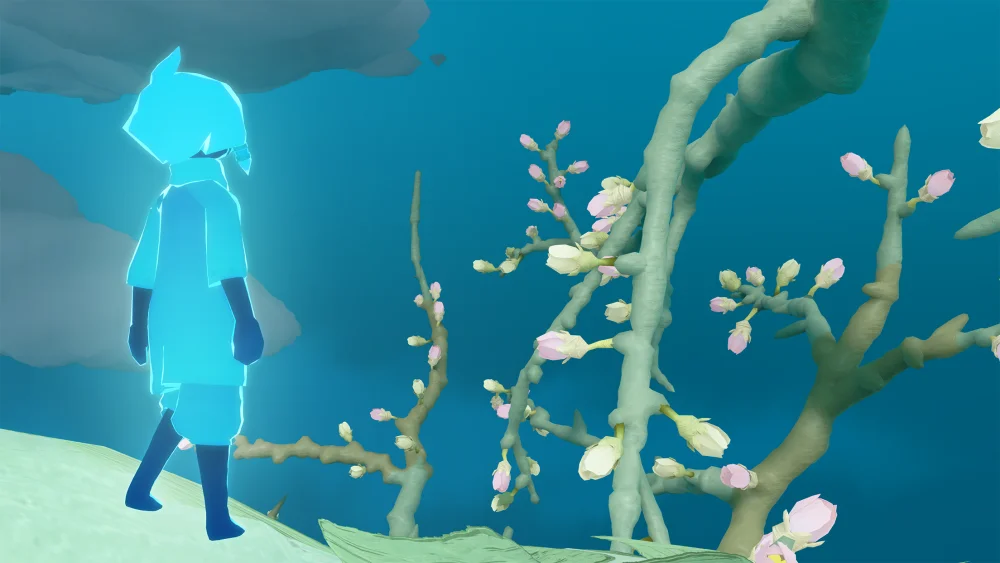
In Sky: Children of the Light, the true value of a season extends far beyond collecting seasonal candles or unlocking limited-time cosmetics. The game serves as a canvas for interactive storytelling, where environment, music, and character interaction converge to explore complex human experiences. Whether you are navigating a standard seasonal quest or engaging with content inspired by historical figures like Vincent van Gogh, the depth of your experience depends on your ability to look beyond the "task" and engage with the "narrative."
To truly master the narrative depth of Sky: Children of the Light, you must transition from a player focused on progression to an observer focused on atmosphere. This guide provides the tools to interpret the game’s silent language and find profound meaning in every seasonal realm.
The Mechanics of Environmental Storytelling
Sky: Children of the Light is unique in its reliance on "environmental narration." Because the game lacks traditional dialogue boxes, the world itself acts as the primary storyteller.
To decode these stories, you must actively scan for visual shifts. When entering a new seasonal area, observe the following:
- Color Palettes: Developers use color to dictate mood. Muted tones often signify memory, loss, or introspection, while vibrant, saturated colors indicate life, passion, and the peak of a character’s creative journey.
- Lighting Cues: Pay attention to where the light falls. In many seasonal storylines, light is not just a currency—it is a metaphor for hope or shared connection. Shadows often represent the isolation or the "burnout" inherent in the creative process.
- Structural Architecture: The layout of a map is rarely random. Note the transition from structured, orderly paths to chaotic, abstract environments. This progression often mirrors the internal state of the spirits you are assisting.
Empathy as a Core Gameplay Loop
The game’s social mechanics—holding hands, bowing, and sharing emotes—are the heartbeat of its narrative. In seasons that explore the lives of artists or historical figures, these mechanics are not just "social features"; they are the primary method of narrative progression.
When you interact with spirits, avoid simply skipping through the cutscenes. Instead, analyze the "Support Systems" depicted:
- Observational Play: During cutscenes, note how spirits lean on one another. Are they sharing light? Are they comforting each other? These animations are deliberate, crafted to show that success in the world of Sky is a collective achievement.
- Participatory Empathy: When the game prompts you to join a spirit in a task, view that task as an act of service. By helping a spirit collect their lost memories, you are participating in their emotional recovery. Understanding this shift transforms a repetitive "collect light" quest into a meaningful narrative act.
Finding Parallels in Real-World History
Sky: Children of the Light frequently draws inspiration from real-world artistic movements and historical figures. When a season references a figure like Vincent van Gogh, the developers are inviting you to engage with themes of passion, mental health, and the struggle of the artist.
To get the most out of these historical parallels:
- Search for Symbolism: Look for motifs that recur in the environment. Are there sunflowers? Swirling skies? These are intentional nods to the subject matter that provide context for the spirits' motivations.
- Contextualize the Struggle: If a spirit appears overwhelmed, consider the historical context of the artist they represent. Recognizing the "why" behind their emotional state prevents the narrative from feeling shallow and allows you to build a genuine, empathetic connection to the story being told.
Managing Your Own "Creative Burnout"
One of the most profound lessons Sky: Children of the Light teaches is the danger of equating productivity with worth. Just as the spirits in the game face the pressure of creation, players often feel the pressure to "grind" seasonal candles.
To maintain a healthy connection to the game:
- The "Slow Down" Strategy: When you feel the urge to speed-run a quest, force yourself to stop. Sit at a bench in the seasonal area. Listen to the music. If the game’s narrative is heavy or intense, use your social interactions to balance it out.
- Collaborative Play: If the seasonal narrative feels isolating, seek out other players. The game is designed to be experienced with others; sharing the emotional weight of a story with a friend makes it significantly more impactful.
Moving Beyond Resource Farming
The most common mistake players make is viewing the game through a transactional lens—completing quests solely for currency. This turns Sky into a chore rather than an experience. To shift this mindset, apply these three techniques:
- The Vista Check: Every time you reach a new area, take 30 seconds to look at the horizon. The developers have designed these spaces for reflection. If you aren't stopping to look, you are missing half the content.
- Interpretation over Completion: After a seasonal quest, ask yourself: "What was this spirit feeling?" Discussing these interpretations with friends or in community spaces turns the game into a shared intellectual experience.
- Documenting the Journey: Take screenshots of environmental details that resonate with you. Curating your own "art gallery" within the game helps solidify the emotional connection to the themes presented.
Why This Matters for Your Experience
By viewing Sky: Children of the Light as a work of art rather than a standard progression-based game, you unlock a level of immersion that most games cannot provide. The narrative depth is there—it is simply waiting for you to slow down, observe, and engage with the world on its own terms.
When you learn to treat the environment as a narrator and your character's actions as a form of empathetic support, you aren't just playing a game—you are participating in a shared, artistic experience. This approach ensures that when the season ends and the limited-time cosmetics are long gone, the emotional resonance of the story remains with you. Keep this perspective in mind, and you will find that every update to Sky: Children of the Light offers a new, meaningful way to connect with the art of storytelling.
Free Sky: Children of the Light Codes
Current active codes and how to redeem them.

Michael Smith
Michael covers live-service games, events, reward systems, and efficient daily routines, turning frequent updates into clear actions for players.
COMMUNITY
Player Comments
109 players commented on this guide.
This helped me understand strategy much better.
I tried this today and it worked better than my old setup.
The explanation is clear, especially for beginners.
This saved me time in the early game.