
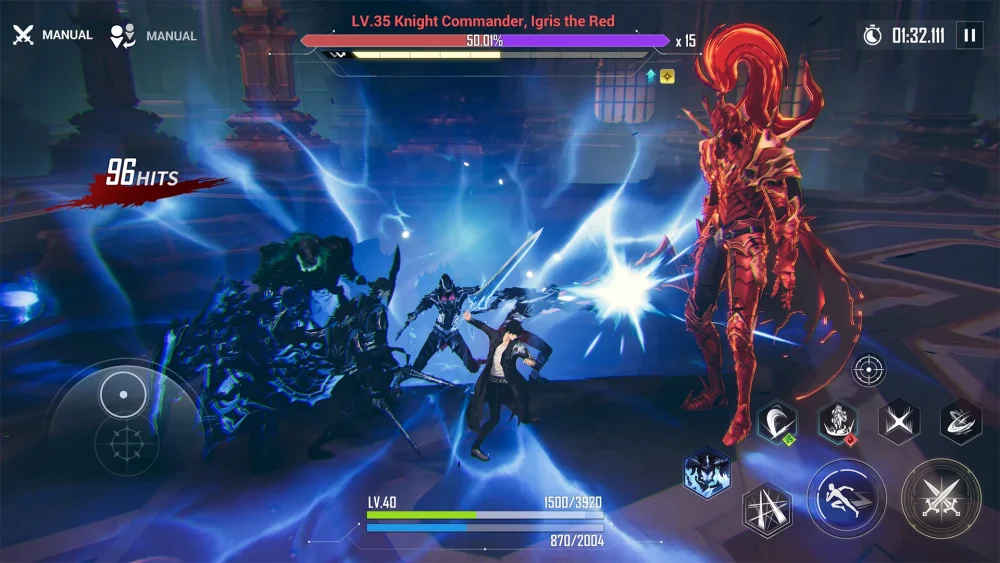
For players invested in Solo Leveling:Arise, the uncertainty regarding the continuation of core story arcs often leads to burnout, stagnation, or premature account abandonment. Many fans of the original webtoon find themselves waiting for a "third season" that the source material never provided, leading to missed opportunities for growth. To thrive in Solo Leveling:Arise, you must distinguish between the static, completed narrative of the original franchise and the dynamic, original content cycles developed specifically for the game. By pivoting your expectations toward the game’s unique release schedule, you can optimize your progression and maintain a competitive edge.
Navigating the Myth of a Third Season
The primary source of confusion for many players is the assumption that Solo Leveling:Arise is a direct, linear adaptation waiting for a "third season" to unlock new gameplay. In reality, the original webtoon and anime have a definitive conclusion. Solo Leveling:Arise operates in a post-canonical space, meaning the developers are essentially writing a "new canon" to keep the gameplay loop fresh.
When you evaluate your long-term commitment, stop looking at the webtoon for clues about what comes next. Instead, view the game’s narrative updates as standalone creative expansions. These "what-if" scenarios and original story chapters are designed to facilitate new combat challenges, introduce unique hunters, and expand the end-game meta. Understanding that the game is not tethered to the source material’s ending allows you to stop waiting for the story to "resume" and start engaging with the game’s active, developer-driven content roadmap.
Strategic Resource Management During Content Lulls
Because Solo Leveling:Arise follows its own cadence rather than a traditional media release schedule, it is prone to periods of "narrative stagnation." During these intervals, many players make the mistake of spending Essence Stones and draw tickets on suboptimal banners out of boredom.
To maximize your account's power:
- Identify the Lull: When no major story or event updates are scheduled, shift your focus from "pulling" to "stockpiling."
- Hoarding for Impact: Save your resources for major game-exclusive events. These events almost always coincide with the release of top-tier, meta-defining hunters or weapons specifically tuned for the new, original content.
- Resist FOMO: If you are not pushing the leaderboard or clearing the highest tiers of the Workshop of Brilliant Light, do not feel pressured to spend resources on hunters that aren't part of the core meta. Your stockpile is your most valuable asset when a new seasonal update drops.
Adapting to Developer-Driven Meta Shifts
The power-creep in Solo Leveling:Arise is dictated by the game's internal development team, not the power levels established in the webtoon. Consequently, hunters who may have been secondary characters in the source material might receive "overpowered" kits in the game to serve the current meta.
To stay ahead, evaluate your roster based on the developer's latest balance changes and artifact requirements. If an update introduces a new boss mechanic in the Workshop of Brilliant Light, the game will usually provide or feature a specific hunter whose kit negates that mechanic. If you rely on outdated information—or assume that a character’s strength is tied to their "story importance"—you will struggle to optimize your gear builds. Focus on the current game-specific tier list, as the developers prioritize mechanical utility over narrative legacy.
Aligning Progression with Seasonal Updates
The game’s progression model is strictly seasonal. Major milestones, such as the addition of new Workshop of Brilliant Light floors or Shadow Army challenges, are the true drivers of growth.
How to Stay Productive:
- Follow the Roadmap: Regularly check the in-game news feed. The developers explicitly outline the timing for "Original Story" chapters and seasonal challenges. Prioritize these over replaying old content.
- Focus on Artifact Farming: When narrative content is sparse, your time is best spent in the Workshop or dungeons. These are the primary sources of the gear needed to tackle the next, harder wave of content.
- Optimize for the Current Cycle: If a new season introduces specific elemental weaknesses or boss mechanics, pivot your artifact sets immediately. The game is designed to reward players who adapt their loadouts to the current seasonal constraints rather than those who stick to a "one-size-fits-all" build.
Common Mistakes to Avoid
Many players quit because they feel the game is "finished" once they clear the existing story chapters. This is a fundamental misunderstanding of the game’s design. Solo Leveling:Arise is an action-RPG service, not a static visual novel.
- Don't ignore the "What-If" content: The developers frequently hide high-tier rewards behind original side-stories that don't appear in the webtoon. These are essential for account progression.
- Don't wait for the source material: Waiting for a "third season" announcement will only lead to missed login rewards, unspent stamina, and a decline in your account's relative power level.
- Don't undervalue the "Workshop of Brilliant Light": This is the heart of the endgame. If you are struggling with the narrative content, the bottleneck is almost always your artifacts. Use your daily energy to farm the Workshop, not just to progress through the story.
By shifting your focus from the original webtoon’s legacy to the game’s internal, seasonal structure, you can stop viewing the game through the lens of a fan waiting for a conclusion and start viewing it as a player mastering a complex, evolving system. The longevity of your account in Solo Leveling:Arise depends entirely on your ability to adapt to the developers' roadmap, optimize your resources for the next meta-shift, and treat the game’s original content as the primary authority on character power and progression.

Free Solo Leveling:Arise Codes
Current active codes and how to redeem them.

Emily Johnson
Emily writes practical mobile strategy guides with a focus on resource planning, base progression, and the early decisions that shape a long-term account.
COMMUNITY
Player Comments
106 players commented on this guide.
Good guide for Solo Leveling:Arise players. The resources part was useful.
I tried this today and it worked better than my old setup.
The tips are practical and easy to follow.
This helped me understand resources much better.