
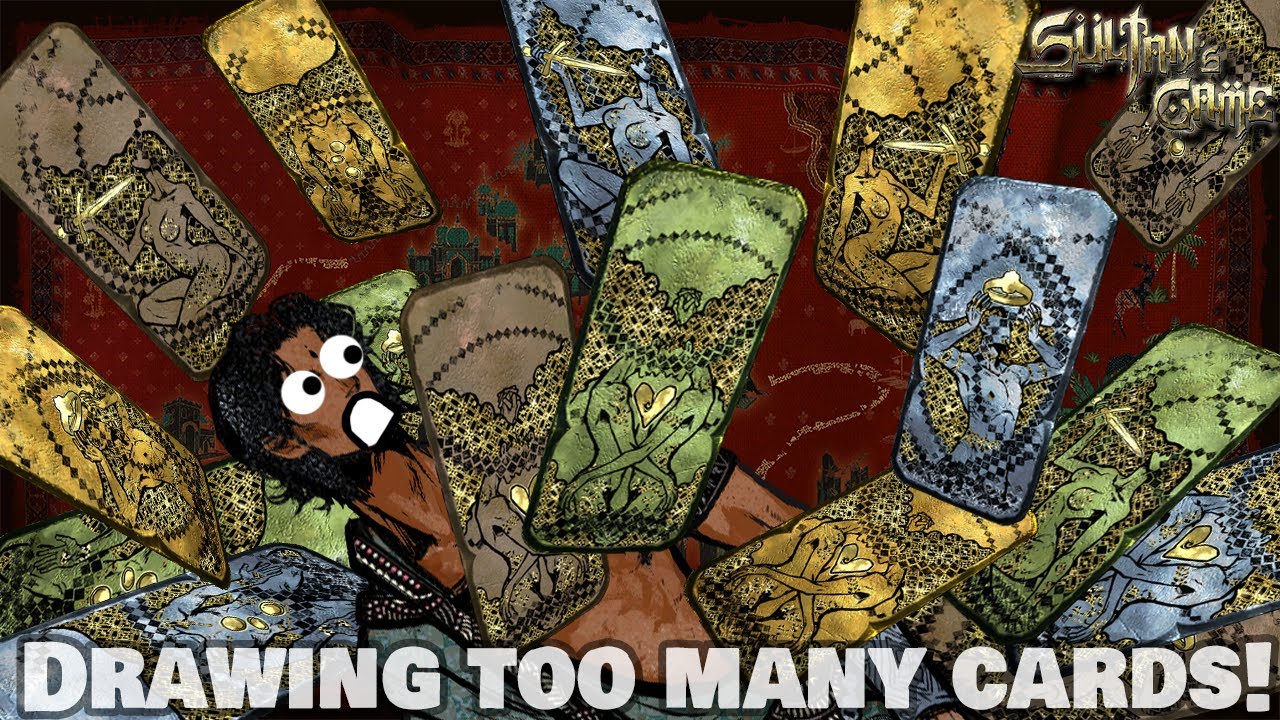
To survive the treacherous political landscape of Sultan's Game, you must master the art of restraint. The most common cause of early-game failure is "overdrawing"—the act of pulling more narrative cards than you have the resources or time to resolve within a single seven-day cycle. In Sultan's Game, cards are not just potential rewards; they are active threats that demand your gold, influence, and health. When you pull too many, you lose the ability to choose your battles, forcing you into "forced failures" where every available option results in a penalty to your court's stability.
The Mechanics of the Seven-Day Deadline
Understanding the ticking clock is essential to your survival. Sultan's Game functions on a strict seven-day cycle. Each card you pull occupies a slot in your active queue, and failing to resolve these cards by the end of the week often results in severe, compounding penalties.
New players frequently fall into the trap of "power drawing," thinking that more cards equal more opportunities. However, the game engine is designed to scale difficulty based on the number of active cards. When you hold three or more active events, the game begins to trigger negative status effects that make resolving future cards exponentially more expensive. Treat every card as a liability until it is fully resolved; the goal is not to clear the deck, but to keep your court standing.
Why Overdrawing Leads to Catastrophic Failure
When you overdraw, you experience a "bottleneck" effect. This manifests in three specific ways that can quickly end your run:
- Resource Depletion: High-tier events often require significant gold or favor. If you have four active cards, you are likely spreading your resources too thin, making it impossible to pay the "success" cost for any of them.
- Narrative Cascades: Many cards contain "if-then" logic. Failing one event often triggers a secondary negative card. If you are already juggling a full board, a single failure can trigger a chain reaction that clears your resources entirely.
- Forced Compromise: When your queue is full, the game may present you with two simultaneously urgent crises. You will be forced to sacrifice one to save the other, often losing key allies or courtly standing that are impossible to recover later.
Strategic Priority: Resolve Before You Reach
The golden rule of Sultan's Game is simple: Clear the table before you draw the next hand. Before pulling a new card, audit your current board using these criteria:
- Urgency: Are any of your current cards nearing their seven-day deadline? If a card has only two days remaining, it must be your absolute priority.
- Cost-Benefit Analysis: Does the potential reward of a new draw outweigh the risk of adding another "high-cost" event to your current queue? If you are already struggling to maintain your gold reserves, the answer is almost always no.
- Resource Buffer: Do you have enough "spare" resources to handle a worst-case scenario card? Never draw if you are at zero gold or low health, as you will have no way to mitigate a negative outcome.
Tactical Decision Making: Knowing When to Stop
Knowing when to end your turn is the mark of an expert player. It is perfectly acceptable—and often ideal—to end your week with only one or two active cards if it means you have the resources to resolve them flawlessly.
The "Safe Pull" Checklist
Before you commit to pulling another card, ask yourself these three questions:
- Do I have the currency to resolve this if it’s a negative event?
- Will this new card interact poorly with the events I currently have open? (e.g., if you have an event involving a court rival, drawing another political intrigue card may cause a conflict that doubles your costs).
- Is my court stability high enough to absorb a potential penalty?
If the answer to any of these is "no," stop pulling. Use your remaining time to consolidate your position, trade for resources, or focus on the events you already have.
Common Mistakes and How to Avoid Them
Even experienced players struggle with the psychological urge to "see what's next." Avoid these common pitfalls to keep your court secure:
- The "One More Card" Syndrome: Players often pull a card right before the week ends, hoping for a quick win. This is the fastest way to trigger a last-minute crisis that carries over to the next week, putting you at an immediate disadvantage.
- Ignoring the "Hidden" Costs: Remember that cards aren't just about gold. They often cost "Favor" or "Moral Standing." Overdrawing can alienate key factions, making it harder to solve future events that require diplomatic solutions.
- Underestimating Cascade Events: Some cards are "linked." If you pull a card that mentions a specific NPC, and you already have an event involving that same NPC, the difficulty of both checks often increases. Monitor your card themes carefully.
Conclusion: The Path to Long-Term Stability
In Sultan's Game, survival is a marathon, not a sprint. By resisting the urge to over-expand your narrative board and focusing on methodical, resource-efficient resolution, you take control of the game’s difficulty curve.
A successful playthrough isn't defined by how many cards you see, but by how many you successfully manage. Treat your court as a fragile entity that requires constant attention. When you stop treating the deck like a fountain of rewards and start treating it like a series of potential disasters, you will find that the game becomes much more manageable. Pace yourself, keep your reserves healthy, and always prioritize the stability of your court over the curiosity of the next draw. By following these principles, you will ensure your reign lasts far longer than those who rush to their own destruction.

Free Sultan's Game Codes
Current active codes and how to redeem them.

James Brown
James focuses on Android gaming on PC, emulator setup, controls, performance tuning, and practical troubleshooting for longer play sessions.
COMMUNITY
Player Comments
117 players commented on this guide.
This helped me understand resources much better.
The tips are practical and easy to follow.
I wish I had read this before upgrading the wrong thing.
I tried this today and it worked better than my old setup.