
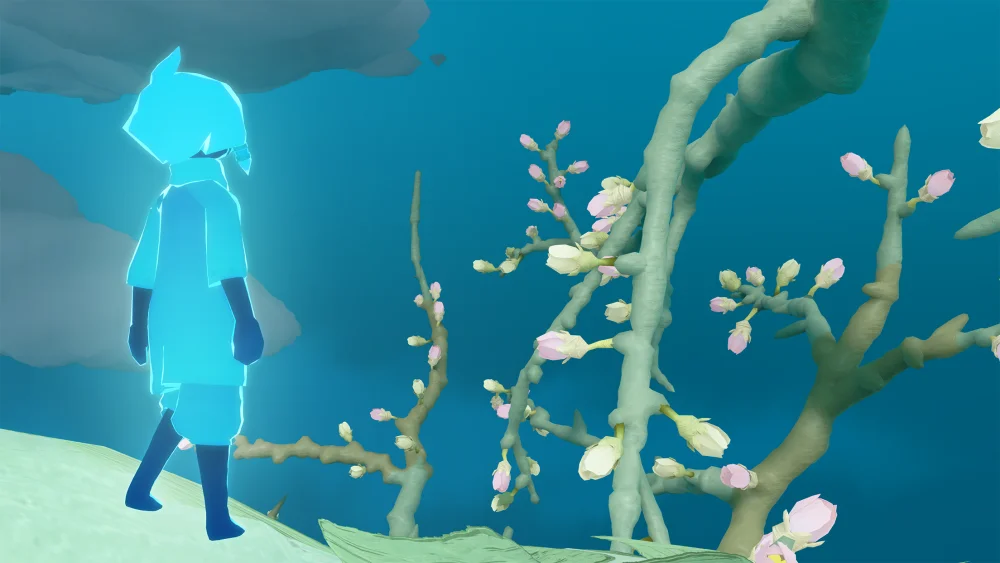
In Sky: Children of the Light, communication is an art form. Unlike traditional multiplayer games that rely on voice or text chat, Sky centers its experience on empathy, connection, and shared play. Your primary tools for navigating this world are your character’s expressions, gestures, and body language. Mastering these emotes is essential for everything from making new friends and coordinating complex group puzzles to successfully navigating the game’s most treacherous realms.
The Core Philosophy of Non-Verbal Interaction
Sky: Children of the Light is intentionally designed to minimize language barriers. By stripping away text-heavy communication, the game forces players to rely on intuition and visual cues. This design choice fosters a unique community atmosphere where kindness is the currency.
When you approach another player, your character is a blank slate. Your emotes define your personality and intent. Whether you are a veteran showing a "moth" (a new player) the ropes or a solo explorer looking for a companion to help with a two-player door, your gestures set the tone for the entire interaction. Understanding this is the first step toward becoming an effective member of the Sky community.
Breaking the Ice: Greeting Etiquette
First impressions matter. In Sky, the "Wave" and "Bow" emotes are the gold standards for initiating contact.
- The Wave: Use this for casual, friendly encounters. It signals that you are open to interaction but are not necessarily looking for a deep commitment.
- The Bow: This is a sign of respect, often used when someone helps you light your candle or guides you through a difficult platforming section. It is the universal "thank you" of the Sky community.
- The Honk: While technically a sound, your character's "call" (honking) is the most powerful tool for grabbing attention. A short, rhythmic honk is friendly; a long, sustained blast can be used to signal for help or to alert others to your location.
Expert Tip: If you want to initiate a friendship, offer a candle to another player. If they accept, you will exchange names (which you can customize) and unlock the ability to hold hands and chat. Always wait for a reciprocal gesture before assuming a player wants to team up.
Strategic Coordination: Using Emotes for Gameplay
Emotes are not just decorative; they are functional utilities for cooperative gameplay. When you are in a group, verbal instructions are impossible without a chat bench, making gestures vital for coordination.
- Pointing: Use the "Point" emote to lead others toward hidden Winged Light, secret spirits, or shortcuts. If you see a player looking lost, point toward the direction of the objective to guide them.
- Follow Me: If you have unlocked the "Follow" gesture, use it to command the attention of your party before tackling a challenging area like the Golden Wasteland’s graveyard or the final stretch of Eye of Eden.
- The "Stop" Signal: Sometimes, you need to pause. Using a "Sit" or "Sleep" emote tells your teammates you need a moment to check your quest log, change your cosmetics, or simply take a break.
Understanding Advanced Social Spaces
As you progress, you will encounter locations designed specifically for deeper interaction, such as Chat Tables, Shared Spaces, and Benches.
- Chat Tables: These are the most direct way to communicate. Once seated, you can type freely. Use these to mentor new players, share game secrets, or socialize after a long candle run.
- Shared Spaces/Memories: These allow you to leave messages for other players. Use these to provide tips on difficult puzzles or to leave notes of encouragement.
- Reading the Room: If a player is wearing high-level cosmetics and moving with purpose, they may be on a "speed run" or a daily candle route. Do not be offended if they decline your candle or ignore a wave; they are likely focused on a specific progression goal and are not looking for social interaction at that moment.
Preventing Social Friction
Even in a game as peaceful as Sky, social etiquette is important to avoid burnout or misunderstanding.
- Respect Personal Space: If you approach a player and they walk away, do not follow them. They may be recording a video, taking screenshots, or practicing a flight path.
- Don't Overstay: If you have been invited to a group, it is polite to help with a few objectives before using a "Wave" or "Bow" to signal that you are leaving to pursue your own goals.
- Recognize "Moth" Needs: New players often need help with spirit collections. If you choose to help, be patient. Using the "Deep Call" (holding your honk button) will recharge their light, which is often more helpful than any emote.
Balancing Social Play with Progression
It is easy to get lost in the social aspects of the game, but Sky: Children of the Light also features rigorous progression systems. Seasonal candles, daily quests, and constellation completion require dedicated time.
- The Social/Efficiency Balance: Try to dedicate the first part of your play session to your "candle run" or daily quests. Once your primary objectives are met, you can spend the rest of your session socializing in hubs like the Home space or the Aviary Village.
- The Power of Cooperation: Remember that many doors (specifically 2-player, 4-player, and 8-player doors) require cooperation. Being a social player isn't just about fun—it is a gameplay strategy. Building a network of friends ensures you never have to wait long to open these doors and access the rewards inside.
Final Thoughts: The Spirit of Sky
The true magic of Sky: Children of the Light lies in the unplanned, heartfelt moments shared between strangers. By mastering your emotes, you aren't just learning a UI system; you are learning how to be a citizen of a global community. Use your gestures to spread kindness, lead the lost, and create memories that make the game feel alive. Whether you are a silent observer or the social heart of a group, your presence matters to the world of Sky.
Free Sky: Children of the Light Codes
Current active codes and how to redeem them.

Michael Smith
Michael covers live-service games, events, reward systems, and efficient daily routines, turning frequent updates into clear actions for players.
COMMUNITY
Player Comments
63 players commented on this guide.
This helped me understand strategy much better.
Good guide for Sky: Children of the Light players. The strategy part was useful.
I tried this today and it worked better than my old setup.
I wish I had read this before upgrading the wrong thing.